




Engineering Honors for N.J. Turnpike
The New Jersey Turnpike has been named a landmark. No kidding. The New Jersey Section of the American Society of Civil Engineers presented the Turnpike Authority a bronze plaque recognizing the Turnpike as a New Jersey historic civil engineering landmark. I wonder what took them so long
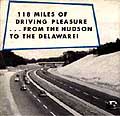
From a 1950s Turnpike brochure.
The New Jersey Turnpike has been named a landmark.
No kidding.
The New Jersey Section of the American Society of Civil Engineers presented the Turnpike Authority a bronze plaque recognizing the Turnpike as a New Jersey historic civil engineering landmark.
I wonder what took them so long?
True, part of the Turnpike runs through a foul-smelling, sometimes surreal industrial landscape. But the Turnpike was never meant to be a wooded Sunday-drive parkway. In 1948, the New Jersey governor and Legislature wanted a brawny road to move heavy traffic from Hudson River crossings in the north to Delaware River crossings in the south – in other words, from New York City to Philadelphia, then the first and fourth largest cities in the country. So they pretty much drew a straight line.
Then they built a damn good highway.
According to a Turnpike Authority press release, many of the design and safety standards used for the original construction between 1949 and 1952 became a model for the Interstate Highway System years later.
From Exit 9 (New Brunswick) south, engineers designed the highway for 75-mph traffic. From Exit 9 north, 70 mph was the design criteria. The road designers called for 12-foot-wide lanes (still among the widest anywhere) and 10-foot-wide shoulders. Grades were kept to a maximum of 3 percent, curves to a minimum radius of 3,000 feet.
Most Turnpike interchange ramps pass over the main roadway so exit ramps where exiting motorists must slow down are on an upgrade; entrance ramps where entering traffic must accelerate are on a downgrade. Those ramps are 1,200 feet long, which is now a highway building standard.
The Turnpike features three major bridges, two over the Passaic River and another over the Hackensack River. All three soar 130 feet over the navigable waters below and offer spectacular views of New York City and the North Jersey Meadowlands.
So political, administrative and E-ZPass problems aside, the Turnpike deserves the recognition it has finally gotten.
By the way, you can learn lots more about the Turnpike and other New York area highways at a fascinating web site, www.nycroads.com, maintained by highway historian Steve Anderson.
More Drivers
How Top Trucking Fleets Improve Driver Retention [Video]
What do healthy snacks, optimized routing, and just picking up the phone have in common? They're all strategies the Best Fleets to Drive For are using to retain truck drivers.
Read More →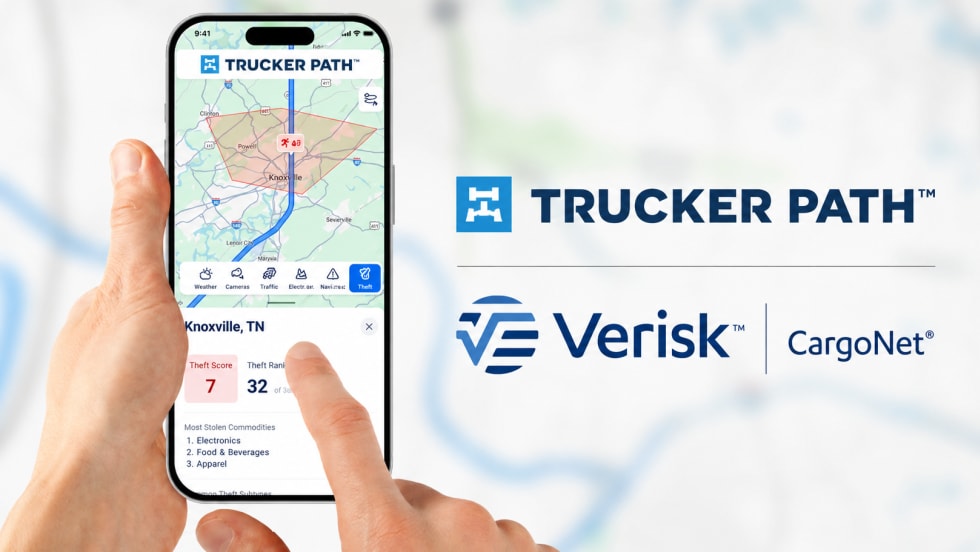
Trucker Path Adds Verisk CargoNet Theft Data to Navigation Platform
Trucker Path’s new cargo theft risk overlays give drivers and fleets visibility into high-risk areas, stolen commodity trends, and theft hotspots.
Read More →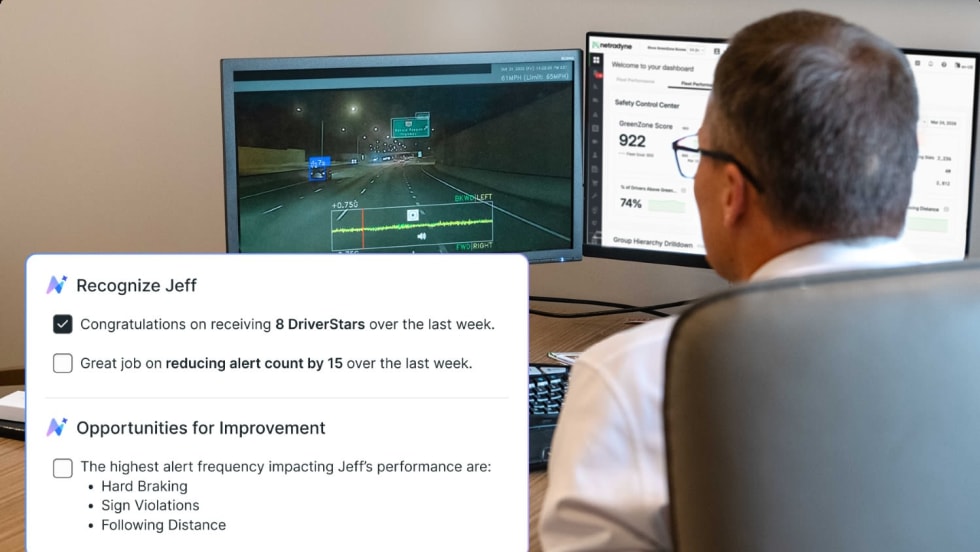
Netradyne Intelligence Uses New AI Agents to Automate Response to In-Cab Camera Data
The company called the next-generation in-cab camera safety platform "a fundamental shift from systems that report on what happened to systems that actively drive what should happen next."
Read More →
Why Truck Detention Keeps Costing Fleets Time and Money
A 2024 ATRI study found detention affects nearly 40% of truckload stops and costs the industry more than $15 billion annually. Despite the toll on drivers, fleets, and supply chains, the problem remains stubbornly persistent.
Read More →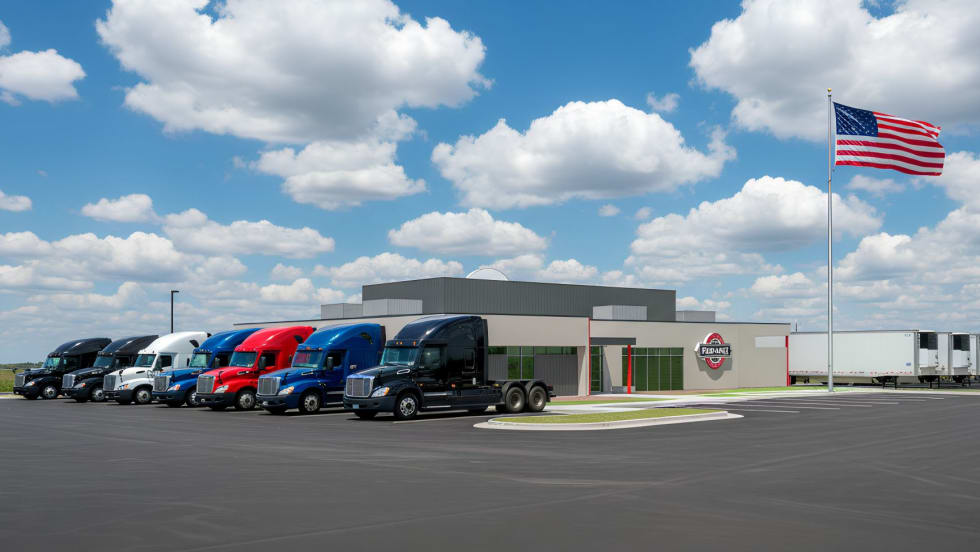
Prime Inc. to Open $7.9M Flagship Used-Truck Dealership
A new driver-focused facility to sell Prime Inc's used trucks and trailers will be the first purpose-built location in the company's history.
Read More →
Short Takes: Inside K&B’s Truck Safety Tech
Listen to learn how K&B Transportation uses cellphone-blocking technology, speed management systems, weather geofencing, bridge avoidance tools, and more to improve driver safety.
Read More →
Nussbaum Expands Driver Compensation with Pay Raises, Profit Sharing
Nussbaum Transportation said its latest compensation package could push first-year driver earnings above $90,000 in key hiring markets.
Read More →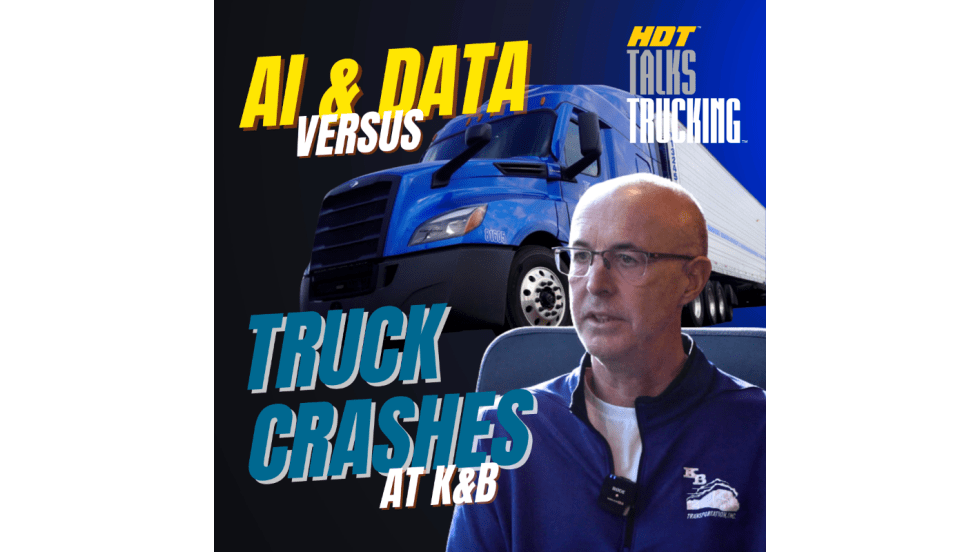
Listen: Inside Modern Fleet Safety: AI, Cameras & Speed Control at K&B Transportation
Fleet safety is evolving fast—and technology is at the center of it. Learn how a former commercial vehicle enforcement officer turned director of safety at K&B Transportation is embracing real-world safety technology.
Read More →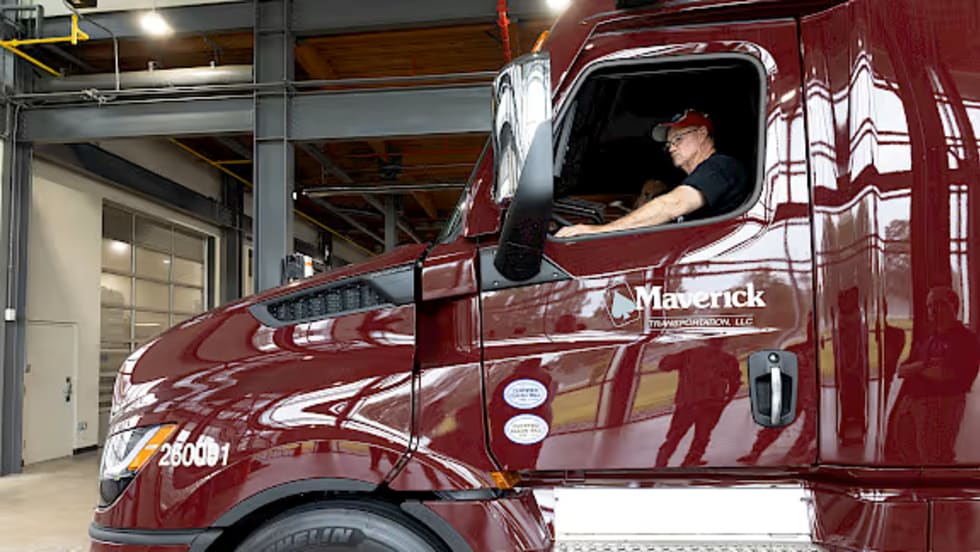
Maverick Announces 2026 Driver Pay Raises
New raises for Maverick Transportation drivers will take effect on May 31, 2026.
Read More →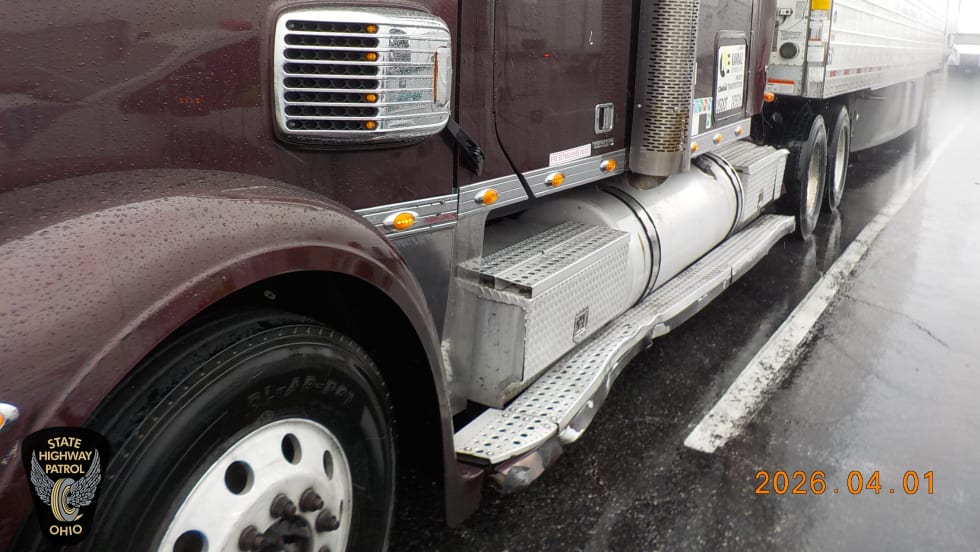
Illinois Trucker Indicted for Nearly $22,000 in Ohio Turnpike Toll Evasion
Authorities say an Illinois trucker avoided paying tolls for two years, and now faces felony charges, possible prison time, and forfeiture of his Freightliner tractor.
Read More →