




Con-Way Transportation Will Impose $8 Homeland Security Surcharge
Con-Way Transportation Services Inc., a subsidiary of CNF Inc. has announced that effective Jan. 2, 2003, the company's four LTL operating units will apply a Homeland Security surcharge on all shipments moving across the Canada/U.S. border
Con-Way Transportation Services Inc., a subsidiary of CNF Inc. has announced that effective Jan. 2, 2003, the company's four LTL operating units will apply a Homeland Security surcharge on all shipments moving across the Canada/U.S. border
(both northbound and southbound). The surcharge will be $8 per shipment.
Company officials cited the Sept. 11 attacks in 2001 and the subsequent cost of government-mandated changes in freight security at the Canada and U.S. border as the reason for the surcharge. Those changes have included registration of each piece of equipment and each driver who crosses the border and mandated changes by both the U.S. and Canadian customs authorities concerning cross-border documents and security inspections. As a result of the changes, the time to cross the border has increased, tying up equipment and lengthening trip times. Additional time is also spent in preparing shipments for customs clearance.
"Sept. 11 brought many changes to our lives, said Douglas W. Stotlar, executive vice president and chief operating officer of Con-Way. "The need and concern for security is a goal we can all support, but it is having an impact on our operating costs. As government agencies on both sides of the border have continued to formulate and modify security plans, the increased cost impact has become a constant within our operations. It's now time to begin to recover these costs."
Con-Way is participating in U.S. government meetings to help formulate a national program titled "Customs Trade Partnership Against Terrorism." Known as C-TPAT, the program has a large budget and involves a wide variety of U.S. government agencies. C-TPAT will eventually establish minimum physical security standards for all facilities in an LTL motor carrier network. Requirements that have been discussed at C-TPAT meetings include high intensity lighting, security cameras, perimeter fencing, high security rooms for freight not delivered and higher cost trailer seals. Other requirements discussed include electronic control devices for more secure entry into service facilities, new computer systems to monitor and capture shipment identity and transfer of the information to government computers, increased personnel security work during applicant background checks and the creation of data files on all employees engaged in cross-border traffic.
"Con-Way has already invested in a number of these security systems at major facilities in urban areas. But each universally mandated improvement will come with a cost," said Stotlar. Con-Way has estimated the cost to implement the facility, systems and procedural changes discussed so far to be an additional $15 to $20 million when put in place throughout their network of 426 service centers.
Con-Way Transportation Services Inc. is a $2-billion transportation and services company that provides time-definite and day-definite freight delivery services and logistics for commercial and industrial businesses. Within the Con-Way family are regional less-than-truckload carriers Con-Way Central Express, Con-Way Southern Express, Con-Way Western Express, Con-Way Canada Express and Con-Way Mexico Express.
Also, Con-Way NOW, an expedited carrier specializing in emergency shipment service; Con-Way Logistics, a contract supply chain execution service provider, Con-Way Air, an airfreight forwarder with service throughout the U.S., Canada and Puerto Rico, and Con-Way Full Load, a truckload brokerage service offered throughout the U.S. and Canada.
More Drivers
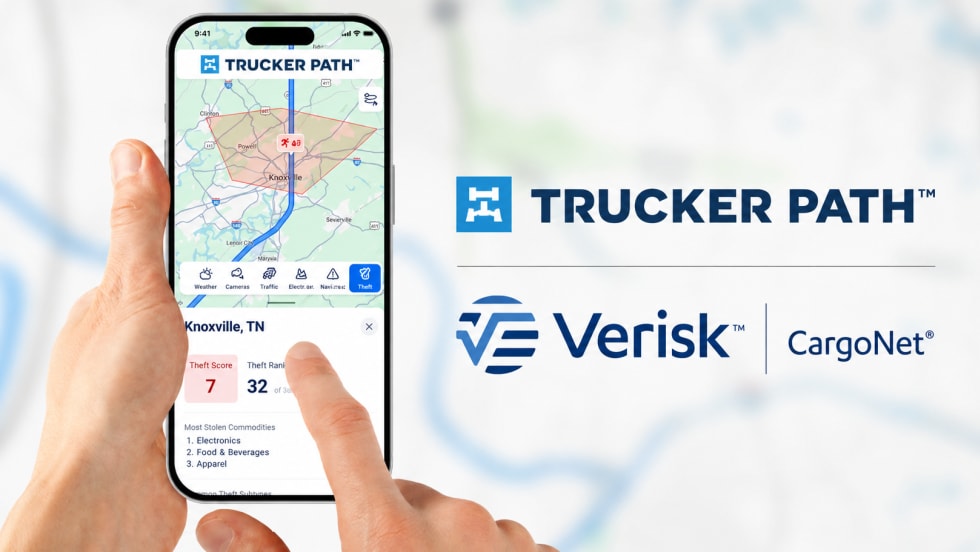
Trucker Path Adds Verisk CargoNet Theft Data to Navigation Platform
Trucker Path’s new cargo theft risk overlays give drivers and fleets visibility into high-risk areas, stolen commodity trends, and theft hotspots.
Read More →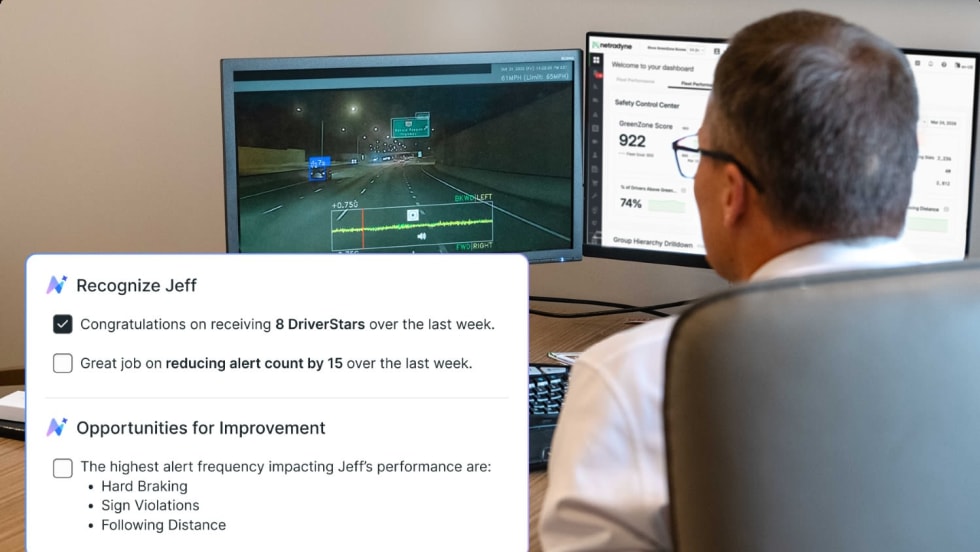
Netradyne Intelligence Uses New AI Agents to Automate Response to In-Cab Camera Data
The company called the next-generation in-cab camera safety platform "a fundamental shift from systems that report on what happened to systems that actively drive what should happen next."
Read More →
Why Truck Detention Keeps Costing Fleets Time and Money
A 2024 ATRI study found detention affects nearly 40% of truckload stops and costs the industry more than $15 billion annually. Despite the toll on drivers, fleets, and supply chains, the problem remains stubbornly persistent.
Read More →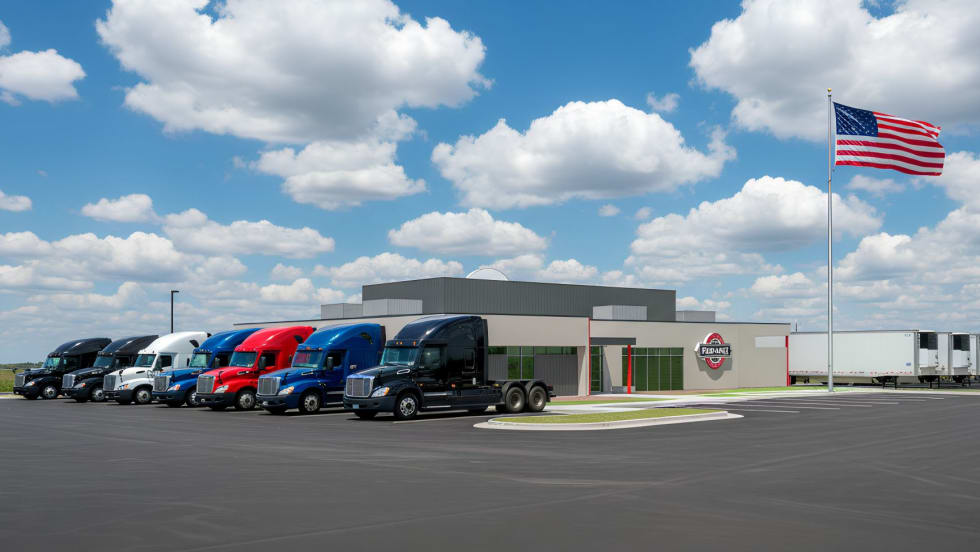
Prime Inc. to Open $7.9M Flagship Used-Truck Dealership
A new driver-focused facility to sell Prime Inc's used trucks and trailers will be the first purpose-built location in the company's history.
Read More →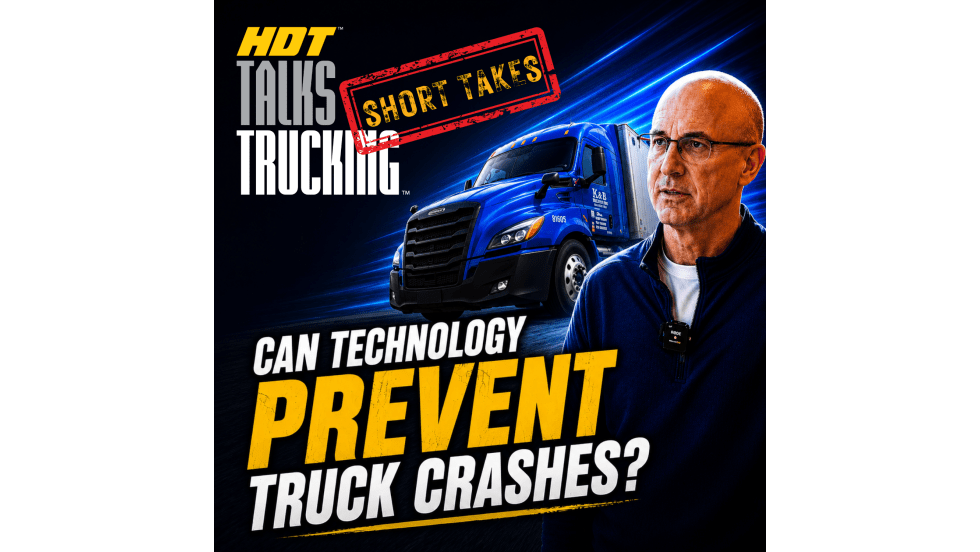
Short Takes: Inside K&B’s Truck Safety Tech
Listen to learn how K&B Transportation uses cellphone-blocking technology, speed management systems, weather geofencing, bridge avoidance tools, and more to improve driver safety.
Read More →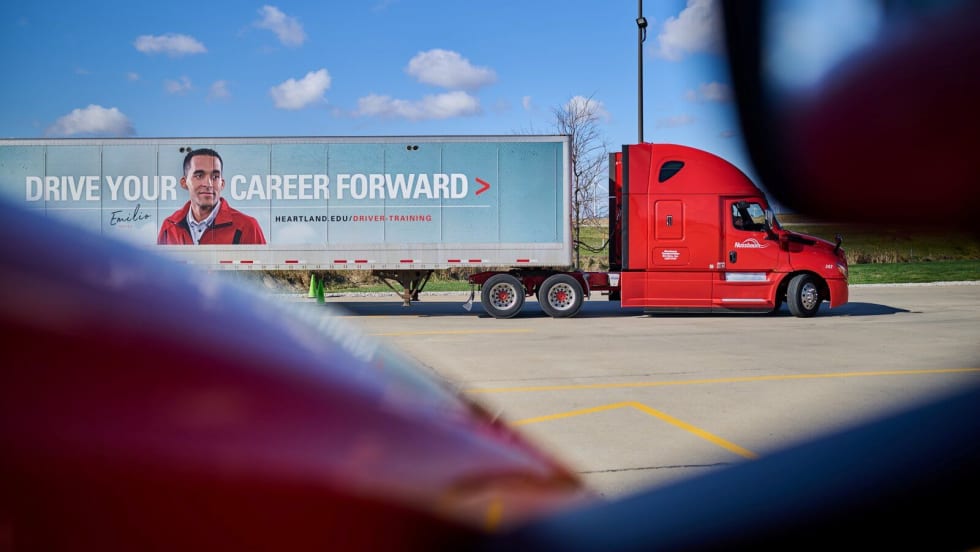
Nussbaum Expands Driver Compensation with Pay Raises, Profit Sharing
Nussbaum Transportation said its latest compensation package could push first-year driver earnings above $90,000 in key hiring markets.
Read More →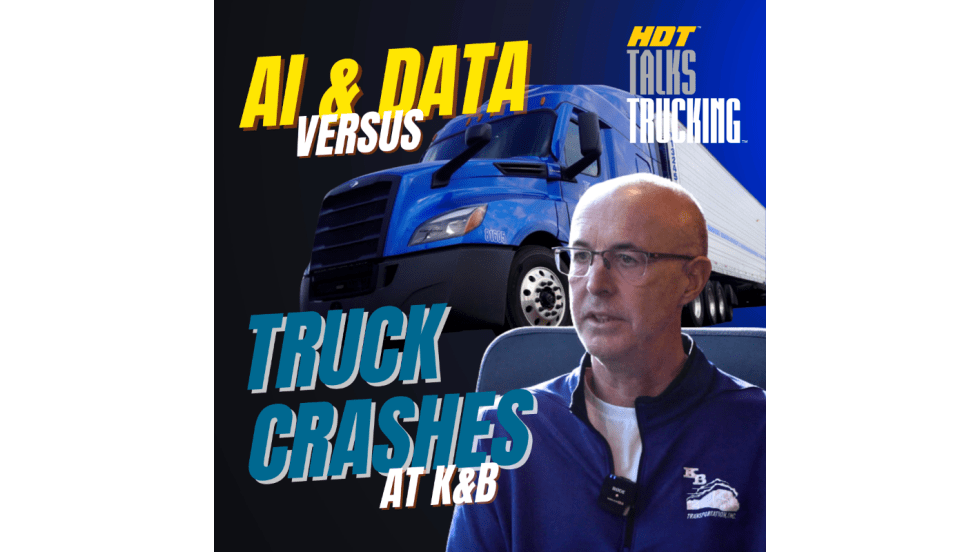
Listen: Inside Modern Fleet Safety: AI, Cameras & Speed Control at K&B Transportation
Fleet safety is evolving fast—and technology is at the center of it. Learn how a former commercial vehicle enforcement officer turned director of safety at K&B Transportation is embracing real-world safety technology.
Read More →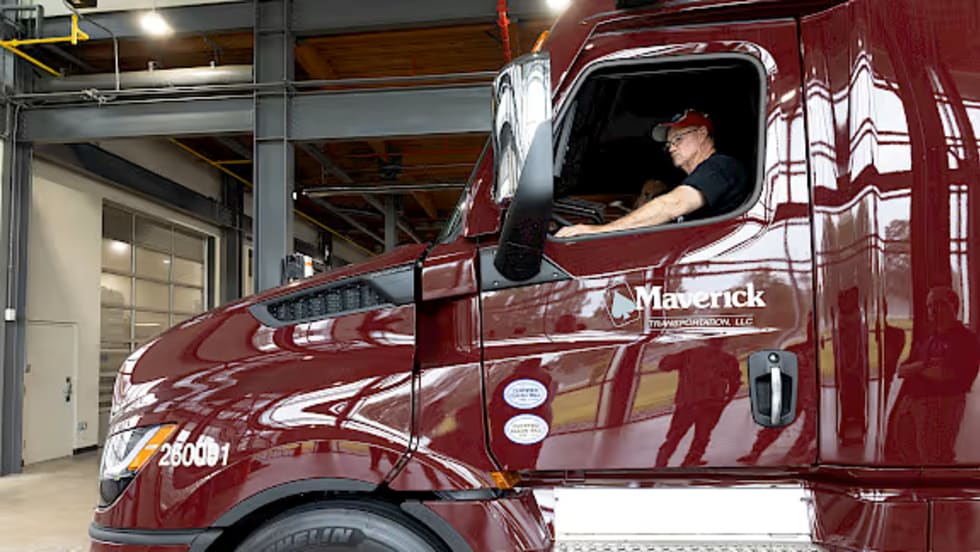
Maverick Announces 2026 Driver Pay Raises
New raises for Maverick Transportation drivers will take effect on May 31, 2026.
Read More →
Illinois Trucker Indicted for Nearly $22,000 in Ohio Turnpike Toll Evasion
Authorities say an Illinois trucker avoided paying tolls for two years, and now faces felony charges, possible prison time, and forfeiture of his Freightliner tractor.
Read More →
New Trojan Driver Cargo Theft Scam Bypasses Carrier Vetting Systems
Cargo theft rings plant operatives as drivers inside legitimate, fully vetted carriers, then execute coordinated thefts that look like a traditional straight theft from the outside.
Read More →