




Colorado Releases Study Detailing Solutions for I-70 West
A look at the future of the Interstate 70 Mountain Corridor is now available for public viewing. For the next 60 days, the public can review and comment on the Revised Draft Programmatic Environmental Impact Statement, a document that presents a corridor vision, which includes a variety of transit and highway improvements, for I-70 between C-470 and Glenwood Springs
A look at the future of the Interstate 70 Mountain Corridor is now available for public viewing. For the next 60 days, the public can review and comment on the Revised Draft Programmatic Environmental Impact Statement, a document that presents a corridor vision, which includes a variety of transit and highway improvements, for I-70 between C-470 and Glenwood Springs.
The comment period continues through Nov. 8.
The preferred option includes highway widening along key segments of the 118-mile portion of I-70 between the C-470 junction and the Eagle County Regional Airport, as well as a fully elevated "advanced guideway" transit system over that same distance, reports the Denver Post. However, the paper says, the DOT admits in the report that it "does not have enough available revenue sources to fund the Preferred Alternative improvements."
The environmental study's preferred alternative points to a number of "high priority" improvements, including adding one lane to I-70 in each direction between Floyd Hill and the Twin Tunnels, while improving "curvature and grade" for the segment as well, according to the Post.
Other top priority elements, according to the report, include improving Empire Junction, where I-70 meets U.S. 40, and building a westbound auxiliary lane for the 7 miles from Bakerville to the Eisenhower-Johnson tunnels.
Background
The Colorado Department of Transportation and the Federal Highway Administration have been analyzing the I-70 Mountain Corridor for more than 10 years. The agencies broadly identified transportation alternatives for the Corridor. A Draft Programmatic Environmental Impact Statement (DPEIS) for I-70 was released in late 2004. It generated more than 2,000 concerns, especially the lack of a long-term corridor vision.
In November 2007, CDOT initiated the Collaborative Effort, a 27-member group representing various corridor interests, to reach consensus on a recommended transportation solution. The CE adopted their Consensus Recommendation in June 2008. CDOT responded to stakeholder comments by committing to a long-term vision and evaluating how best to move forward with the study. CDOT has initiated a Revised DPEIS to address the Consensus Recommendation, which accounts for activities that occurred since 2004.
The Revised Draft PEIS analyzes transportation alternatives and the project's ability to provide the best opportunity to meet the project's purpose and need, while minimizing impacts on the surrounding communities.
A copy of the Revised Draft PEIS can be viewed on the project Web site: www.i70mtncorridor.com.
Comments can be provided during the review period by attending a public hearing in October, submitting a comment through the project Web site, or ailing a comment to: I-70 Mountain Corridor, c/o Wendy Wallach, CDOT Region 1, 18500 East Colfax Avenue, Aurora, CO 80011.
All comments received during the review period will be considered and addressed in the Final PEIS, scheduled for completion in January 2011. The Record of Decision is expected in spring 2011.
More Drivers

When Language Stops the Truck: The Return of ELP Out-of-Service Orders
English language proficiency rules for commercial drivers aren’t new, but renewed out-of-service enforcement has raised the stakes. Here’s what carriers need to know before a driver reaches a roadside inspection.
Read More →
Samsara Launches Custom AI Agent Builder
Agent Studio lets fleets create AI tools for hours-of-service monitoring, reporting and driver support, including agents that communicate by phone.
Read More →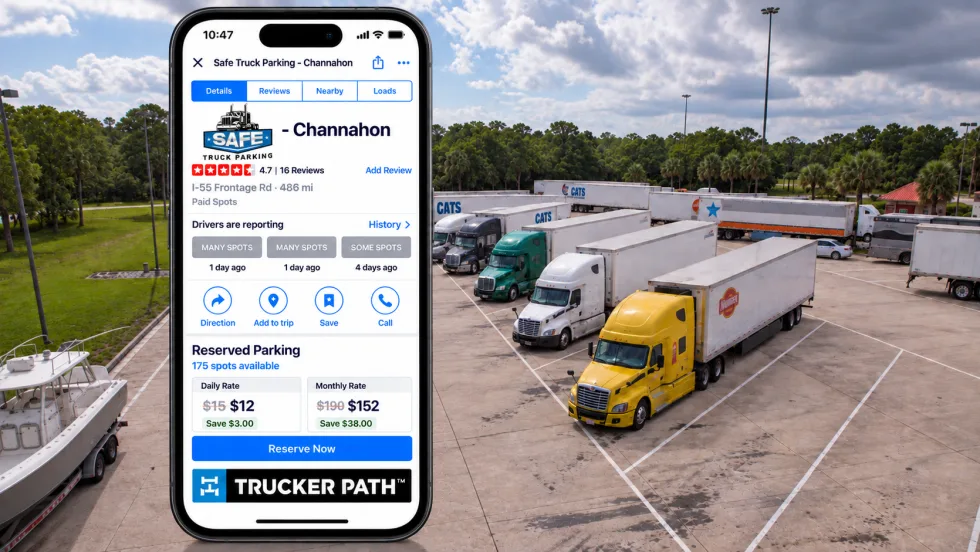
Trucker Path Expands Reserved Parking Network
Trucker Path has added close to 6,000 more truck parking spaces to its Trucker Path Reserved Parking Network with the addition of Safe Truck Parking.
Read More →
EEOC Sues Texas Trucking Company Over Driver Age Limits
The agency says Trancasa USA rejected applicants over 65 and applied tougher driving-record standards to those over 60.
Read More →
Nussbaum, Roehl Announce Second Driver Pay Increase This Year
This year has seen a swath of major truck driver pay increases as freight capacity has tightened.
Read More →
From One Generation to the Next: How Mentorship Builds Safer Truck Drivers
After three decades in trucking, Harold Perry shares what he's learned about driver safety, mentorship, and helping the next generation build confidence behind the wheel.
Read More →
Truck Drivers Need More Than Another Alert
Fleets have more visibility into truck health, safety events, and driver activity than ever. The next challenge is turning all that information into useful guidance for the person who has to decide what to do next.
Read More →
FMCSA Removes 110 Truck Driver Training Schools from Certified ELDT List
Federal regulators also are targeting more than 160 additional training providers and launching a nationwide audit of third-party CDL skills testers as part of a broader crackdown on trucking fraud.
Read More →
Hours of Service Pilot Programs: FMCSA Readies for 2027 Rollout
Two pilot programs could eventually reshape hours-of-service rules, giving truck drivers options to pause their 14-hour clock or use longer split sleeper rest periods.
Read More →
Medical Cards, English Proficiency Reshape Roadcheck Violations
Medical-card violations jumped to the top of the driver out-of-service list during CVSA’s 2026 International Roadcheck, while English-language proficiency violations appeared among the leading violations for the first time.
Read More →