




Federal highway officials are looking for ways to cut construction costs of the Woodrow Wilson Bridge in Washington, DC, but the measures may be unworkable, transportation experts warn
.
The 12-lane replacement of the bridge is going to cost way too much, and experts say the measures being proposed are going to be nearly impossible to implement.
According to the Washington Post, federal officials say they could eliminate the project's overtime budget by warning contractors upfront that they cannot put workers on extra hours. However, extensive overtime labor is a must if the bridge is to be completed by 2004, when experts say the bridge would have to be closed to truck traffic because of structural deficiencies.
Officials have also suggested reducing the amount of money budgeted for unforeseen design changes, and for supplies such as pipes, concrete and steel, but experts say the dollar amounts are not going to be enough. Funds set aside to relieve traffic congestion during construction are also less than originally planned.
Highway officials began work on the revisions after the U.S. Department of Transportation concluded that replacing the bridge would cost $2.47 billion, or $500 million more than originally estimated.
The bridge is the only one in the nation that is federally owned, and is a key component of Interstate 95, a major East Coast corridor.
Budget for Wilson Bridge Unrealistic, Experts Say
Federal highway officials are looking for ways to cut construction costs of the Woodrow Wilson Bridge in Washington, DC, but the measures may be unworkable, transportation experts war
More Drivers

New Trojan Driver Cargo Theft Scam Bypasses Carrier Vetting Systems
Cargo theft rings plant operatives as drivers inside legitimate, fully vetted carriers, then execute coordinated thefts that look like a traditional straight theft from the outside.
Read More →
WIM, Trucker Path Name Top 3 Women-Friendly Truck Stops
ATA’s Women In Motion Council and Trucker Path highlight three truck stops that meet all seven safety-focused criteria and rank highest among female drivers.
Read More →
FMCSA Extends Paper Medical Card Exemption … Again
Five states still aren't ready to accept commercial driver medical exam information directly from the medical examiner's registry.
Read More →
Mack Launches Digital Driver Guide for Chassis-Specific Truck Info
Mack’s new, virtual owner’s manual delivers VIN-based, on-demand guidance for vehicle systems via web, app, and soon in-cab displays.
Read More →
Western Star Showcases Truckers' Pride and Skill
Western Star is expanding its Star Nation Experience in 2026, adding new competitions and dealer participation to highlight operator skills and promote careers in trucking.
Read More →
Best Fleets to Drive For: Two Carriers Earn Overall Award for First Time
CarriersEdge announced the 2026 Best Fleets to Drive For overall winners, with Crawford Trucking, Fortigo Freight Services, and FTC Transportation receiving top awards.
Read More →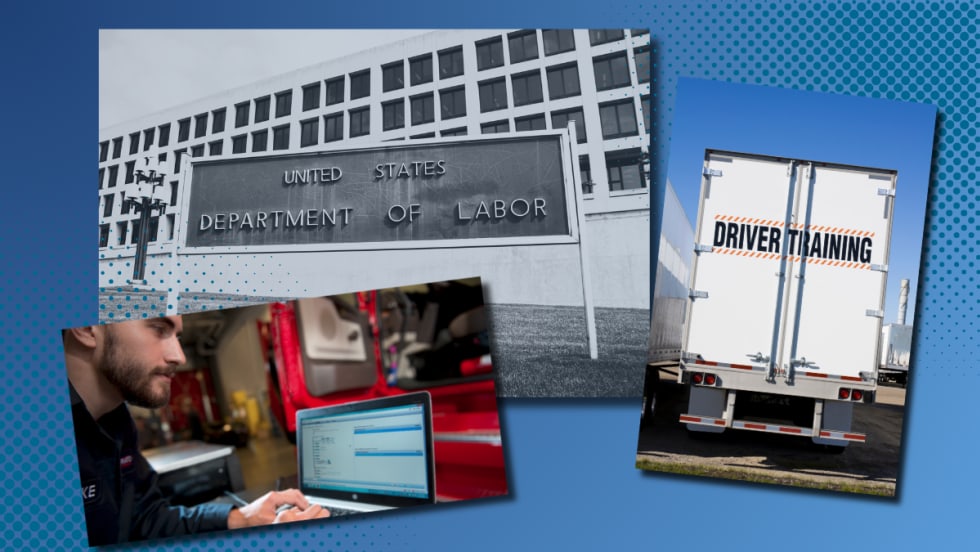
Federal Proposal Would Allow Pell Grants for Shorter-Term Job Training
The Department of Labor plans to expand Pell Grant eligibility to some shorter workforce training programs, a move the American Trucking Associations said will help strengthen commercial driver training schools and diesel technician training programs.
Read More →
Owner-Operator Model Gets Boost as DOL Proposes 2024 Independent Contractor Definition Reversal
For an industry that has watched this issue go back and forth for years, the independent contractor proposal marks the latest swing in the regulatory pendulum.
Read More →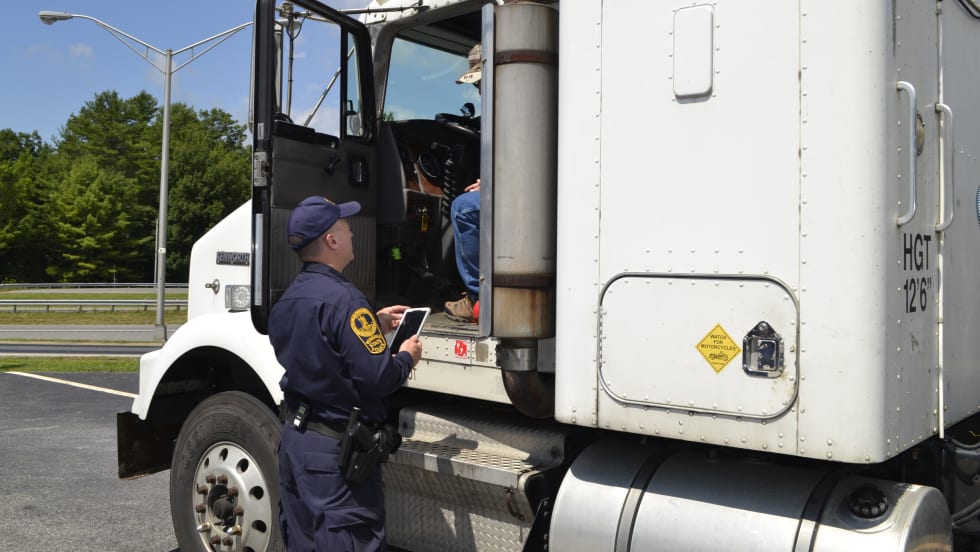
FMCSA Reinstates Field Warrior ELD to Registered Device List
One electronic logging device has been reinstated to the FMCSA's list of registered ELDs.
Read More →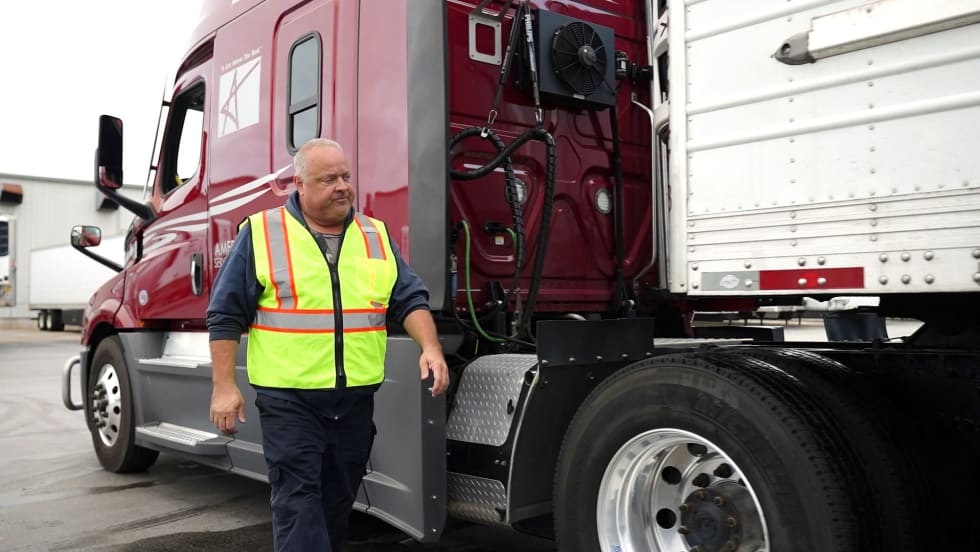
How One Company is Using Smart Suspension Technology to Reduce Driver Injuries and Improve Retention
America’s Service Line adopted Link’s SmartValve and ROI Cabmate systems to address whole-body vibration, repetitive strain, and driver turnover. The trucking fleet is already seeing measurable results.
Read More →