




Bikers Block Highway Memorial
Kill a biker, get a highway named after you? That’s the question the American Motorcyclist Assn. is asking in its nationwide campaign to ban the naming of highways after people who have been convicted of serious
Kill a biker, get a highway named after you? That’s the question the American Motorcyclist Assn. is asking in its nationwide campaign to ban the naming of highways after people who have been convicted of serious traffic offenses. First on their list: the Sen. Carl O. Koella Jr. Memorial Highway in Tennessee. Here’s why:
One October evening in 1997, a man driving a minivan on U.S. Route 321 south of Knoxville made a left turn into the path of an oncoming motorcycle. Terry Barnard, 52, of Huron, Ohio, was killed when his motorcycle hit the van, skidded into the van then careened into a car stopped behind it.
Witnesses told police that the van driver pulled to the side of the road, got out of his vehicle, looked around, then got back into the van and drove off. They were able to give police a license number, which was traced to Carl Koella Jr., a member of the Tennessee state Senate for 25 years.
Koella did contact the police himself about an hour after the crash to tell them he thought he might have been involved in an accident. He passed an alcohol test administered several hours later. There were reports that he was confused and disoriented when he talked to police, but friends said it was likely because Koella suffered from cancer and multiple sclerosis.
Blount County, where the accident occurred, had a hard time finding judges and prosecutors who weren’t politically tied to Koella. A special prosecutor asked that Koella be charged with a felony, but that was rejected by a judge who said there wasn’t enough evidence to prove that he knew, or reasonably should have known, that a fatality had occurred. Therefore, leaving the scene of the accident was only a misdemeanor in this case.
A grand jury disagreed and indicted Koella on felony charges, but local prosecutors allowed him to plead no contest to the misdemeanor. He was fined $2,500, ordered to perform 30 days of community service, and his drivers license was suspended for a year. A few months later he died following emergency heart surgery. The state legislature voted to honor him by a naming a stretch of Interstate 140 the Sen. Carl O. Koella Jr. Memorial Highway.
With money donated by outraged motorcyclists from across the country, the AMA rented space on two billboards along the road where Barnard was killed, unofficially naming it the “Terry Barnard Memorial Highway.” A third billboard, blocks from the state capitol, urges drivers to “Watch for Motorcycles” in memory of Barnard.
The Pickerington, Ohio-based organization organized a letter writing campaign to block the memorial highway and, as of mid-summer, no signs had gone up. It is now trying to get legislation in all states that would make it illegal to name a highway after anyone who has been convicted of seriously injuring or killing someone in a traffic accident.
“We don’t oppose honoring Koella in an appropriate way for his long career in public office,” said Terry Lee Cook, the AMA’s state programs development coordinator. “But naming a highway after a driver who caused the death of a motorcyclist is an insult and a flagrant smack in the face to motorcyclists.”
You can find out more about the letter writing campaign and the legislative proposal at the AMA website, www.ama-cycle.org, or by calling (614) 856-1900.
More Drivers
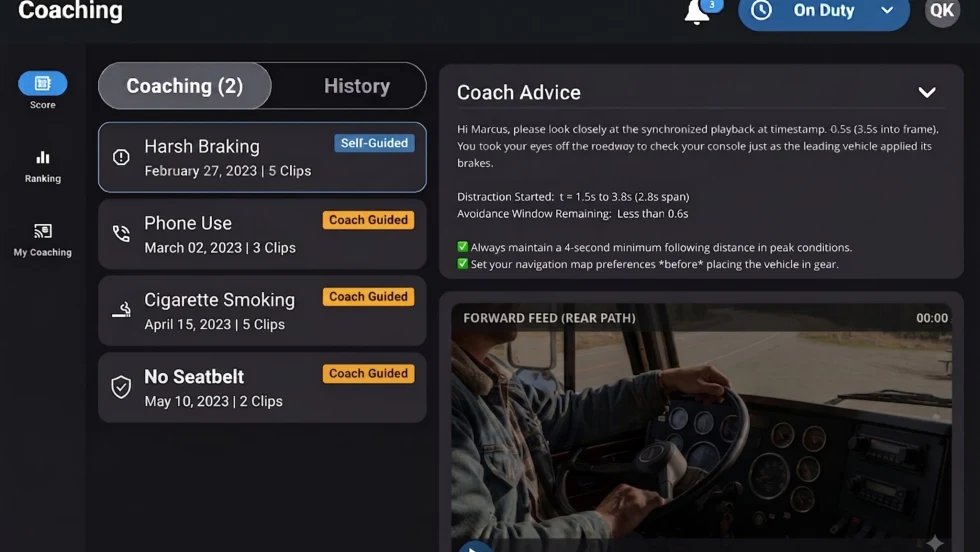
Platform Science Adds Dispatch and Safety Tools
Four additions to PS Fleet help fleets monitor loads, manage driver coaching, share truck locations and adjust video system settings.
Read More →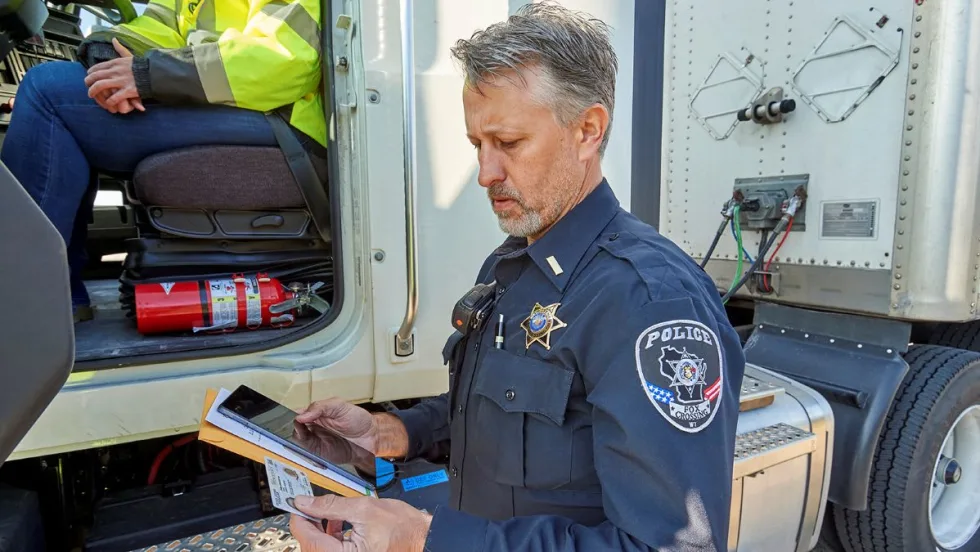
When Language Stops the Truck: The Return of ELP Out-of-Service Orders
English language proficiency rules for commercial drivers aren’t new, but renewed out-of-service enforcement has raised the stakes. Here’s what carriers need to know before a driver reaches a roadside inspection.
Read More →
Samsara Launches Custom AI Agent Builder
Agent Studio lets fleets create AI tools for hours-of-service monitoring, reporting and driver support, including agents that communicate by phone.
Read More →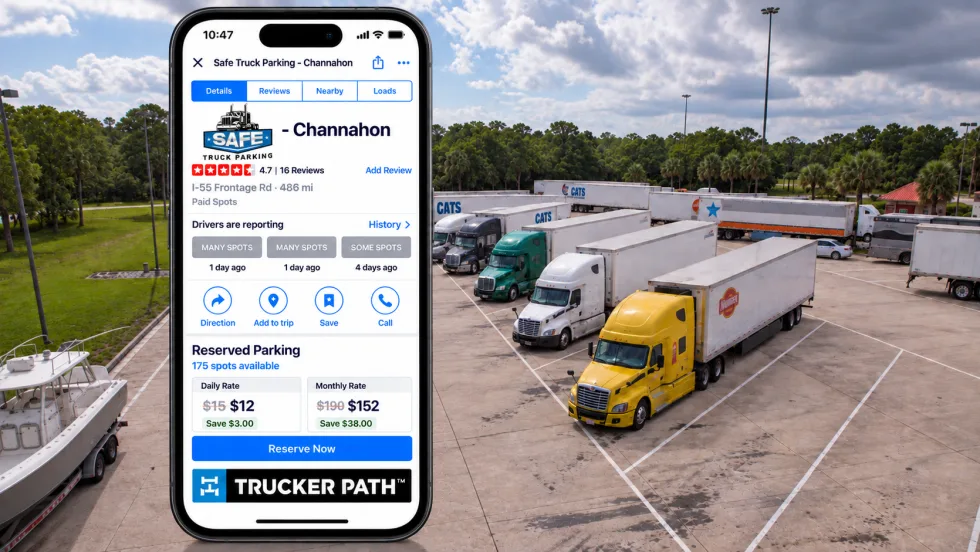
Trucker Path Expands Reserved Parking Network
Trucker Path has added close to 6,000 more truck parking spaces to its Trucker Path Reserved Parking Network with the addition of Safe Truck Parking.
Read More →
EEOC Sues Texas Trucking Company Over Driver Age Limits
The agency says Trancasa USA rejected applicants over 65 and applied tougher driving-record standards to those over 60.
Read More →
Nussbaum, Roehl Announce Second Driver Pay Increase This Year
This year has seen a swath of major truck driver pay increases as freight capacity has tightened.
Read More →
From One Generation to the Next: How Mentorship Builds Safer Truck Drivers
After three decades in trucking, Harold Perry shares what he's learned about driver safety, mentorship, and helping the next generation build confidence behind the wheel.
Read More →
Truck Drivers Need More Than Another Alert
Fleets have more visibility into truck health, safety events, and driver activity than ever. The next challenge is turning all that information into useful guidance for the person who has to decide what to do next.
Read More →
FMCSA Removes 110 Truck Driver Training Schools from Certified ELDT List
Federal regulators also are targeting more than 160 additional training providers and launching a nationwide audit of third-party CDL skills testers as part of a broader crackdown on trucking fraud.
Read More →
Hours of Service Pilot Programs: FMCSA Readies for 2027 Rollout
Two pilot programs could eventually reshape hours-of-service rules, giving truck drivers options to pause their 14-hour clock or use longer split sleeper rest periods.
Read More →