




ATA Supports Fuel Economy Standards for Reducing Carbon Emissions
The American Trucking Associations has adopted a carbon emissions control policy supporting a national fuel economy standard for trucks, rather than government actions to increase fuel prices or alternative fuel mandates
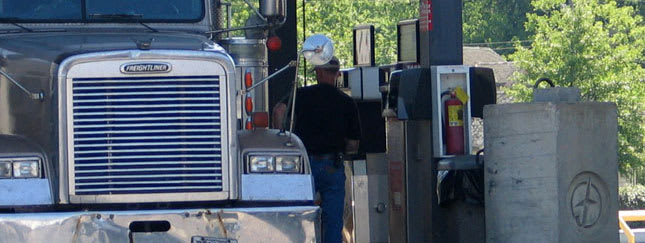
The American Trucking Associations has adopted a carbon emissions control policy supporting a national fuel economy standard for trucks, rather than government actions to increase fuel prices or alternative fuel mandates.
The policy, adopted during ATA's annual management conference last week, states that "carbon emission reductions achieved through national truck fuel economy standards are preferable to government actions that increase fuel prices in an effort to discourage petroleum-based diesel fuel consumption or mandate the use of alternative fuels."
While any federally mandated carbon control program applied to transportation fuels likely will increase the cost of fuel, ATA believes that discussions of carbon control programs should look at ways to minimize disruptions to the transportation of goods and to protect the viability of the trucking industry.
The Policy
ATA's new energy policy outlines a framework for evaluating carbon control initiatives and specifies that an effective carbon control program for the trucking industry must address the following provisions:
* Produce cost-effective, verifiable carbon reductions;
* Ensure that revenue generated from motor carriers and other highway transportation consumers benefits highway users;
* Ensure that any increased costs are reasonable, predictable and do not increase the volatility of fuel prices;
* Avoid diesel fuel supply disruptions and ensure that only on-road diesel fuel that meets the ASTM standard for which trucks were designed to run on is sold in the marketplace;
* Maintain a level playing field among freight transportation modes; and
* Provide incentives for improved fuel efficiency and availability of alternative technologies.
"Diesel fuel remains the most viable option for powering the trucking industry," said ATA Vice President Rich Moskowitz. "ATA's carbon emission reduction policy acknowledges the need to look toward alternative technologies while ensuring that the industry can continue to efficiently move the consumer goods we rely on daily."
The carbon emissions policies were approved by the ATA Board of Directors at the association's annual Management Conference & Exhibition, held Oct. 16-19 in Phoenix.
Sustainability Plan
In the release of its sustainability plan more than two years ago, ATA announced its support of technologically feasible national fuel economy standards for medium- and heavy-duty trucks that reduce fuel consumption. Other components of the plan to lower trucking's carbon footprint include:
* Federal laws requiring trucks to have speed governors set at 65 mph or below, and a national speed limit of 65 mph for all vehicles;
* Allowing more productive truck weights and combinations, which safely improve fuel economy;
* Expansion of the EPA SmartWay Transportation program, which works to reduce greenhouse gases and save fuel;
* Reducing idling by updating the interstate system and reducing traffic congestion; and
Using new technologies to reduce other engine idling.
More Drivers
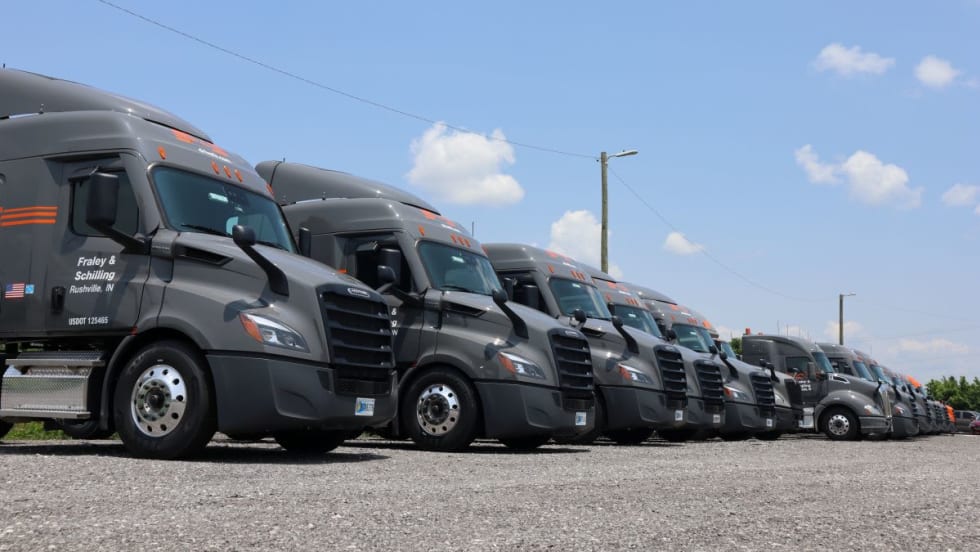
How Fraley & Schilling Improved Logbook Compliance by Over 50%
Fraley & Schilling needed a way to close a compliance workflow gap in its ELD system without adding more work from driver training, reminders, and back-office follow-ups. It found the answer in a custom driver app.
Read More →
Volvo Goes Gaming
Volvo has roared into American Truck Simulator with two new flagship trucks.
Read More →
What the Best Fleets to Drive For Teach About Driver Retention
Survey fatigue, AI-powered routing, owner-operator expectations, and the decline of social media all emerged as themes from this year's Best Fleets to Drive For program.
Read More →
Driver Retention Lessons From the Best Fleets to Drive For
What separates trucking's best workplaces from the rest? Jane Jazrawy shares the biggest lessons from this year's Best Fleets to Drive For program on driver retention, communication, AI, and workforce trends on the HDT Talks Trucking podcast.
Read More →
Farewell, CDL: Why I'm Giving Up My Commercial Driver's License
After more than 20 years as a CDL holder, HDT Executive Editor Jack Roberts is letting his commercial license expire. Not because he wants to — but because trucking's nuclear verdict crisis has made the risks of public-road test drives too great for editors, manufacturers, and everyone involved.
Read More →
How Top Trucking Fleets Improve Driver Retention [Video]
What do healthy snacks, optimized routing, and just picking up the phone have in common? They're all strategies the Best Fleets to Drive For are using to retain truck drivers.
Read More →
Trucker Path Adds Verisk CargoNet Theft Data to Navigation Platform
Trucker Path’s new cargo theft risk overlays give drivers and fleets visibility into high-risk areas, stolen commodity trends, and theft hotspots.
Read More →
Netradyne Intelligence Uses New AI Agents to Automate Response to In-Cab Camera Data
The company called the next-generation in-cab camera safety platform "a fundamental shift from systems that report on what happened to systems that actively drive what should happen next."
Read More →
Why Truck Detention Keeps Costing Fleets Time and Money
A 2024 ATRI study found detention affects nearly 40% of truckload stops and costs the industry more than $15 billion annually. Despite the toll on drivers, fleets, and supply chains, the problem remains stubbornly persistent.
Read More →
Prime Inc. to Open $7.9M Flagship Used-Truck Dealership
A new driver-focused facility to sell Prime Inc's used trucks and trailers will be the first purpose-built location in the company's history.
Read More →