




Training Technicians - Part Two
In part one, we talked about how important it is to train technicians, and how classroom training that affords hands-on experience is the best. However, it's not always feasible to send your techs off for training or even to allot hands-on time at your own location
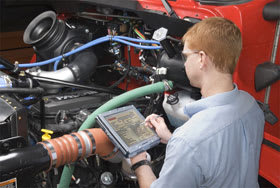
Younger people don't much want to read training manuals, and they're adept at computer use. Tailor your training accordingly.
In part one, we talked about how important it is to train technicians, and how classroom training that affords hands-on experience is the best. However, it's not always feasible to send your techs off for training or even to allot hands-on time at your own location.
Internet-based training is a logical alternative if the challenge of finding a quiet space can be met. Retention of 75% is claimed by some purveyors using this method, largely because it can be very interactive and can use all manner of video and animation. Communication among trainees and trainers can theoretically be accomplished through real-time chat, discussion groups, and news postings. Trainee feedback surveys are easy to do, and comprehension testing can be easily collected and stored in a central database.
Detractors, however, say the online approach has a fatal flaw: There's generally no instructor present to talk with, to clarify difficult points, to guide the student along. Questions can be e-mailed, of course, but the promise of an answer within 24 hours can be a frustration, rather than a solution.
Bendix is nonetheless about to go down this road, in addition to its more traditional training approaches, says training manager John Reid.
"As the younger generations - those who have a much greater exposure to technology - continue to join the workforce, and as all of us find ourselves more pressed for time during each work day, with the members of our workforces often geographically dispersed and our training budgets taxed, the need for access to education delivered in ways beyond the traditional means is quickly changing," Reid says.
Access to Web-based training and interactive delivery are essential to extend and expand the company's reach, Reid explains, so Bendix is preparing to extend the interactive tools it uses for its own employees to its customers as well.
In addition to product-specific training from component and engine makers, there are companies that specialize just in training. For instance, Delmar Cengage Learning offers its Professional Truck Technician Training Series in CD-Rom and Web-based formats, offering interactive training in brakes, diesel engines, electricity/electronics, preventive maintenance, suspension and steering, HVAC and drivetrain.
The courses combine theory, diagnosis and repair information into one training tool. These courses require that technicians engage with the course content and animations and interactive elements are used to help explain complex processes. Periodic process checks and end-of-section review questions help make sure users are retaining information as they work through the material. A comprehensive exam is conducted after the user completes all sections of the course.
The training challenge is further complicated by the issue of literacy. We're not talking about the simple ability to read. We're really talking about something broader, about the skills needed to function successfully in a complicated world - and to hold down a job.
In terms of training technicians, don't assume that every mechanic is going to understand what the trainer says or what he's written. In some cases English isn't their first language, but in many more instances they just plain won't be able to read well enough to comprehend a service bulletin. That's not a knock against technicians, it's just a fact about American society.
A massive study conducted in 2003 - the National Assessment of Adult Literacy - showed that only 13% of American adults are proficiently literate, and they're almost entirely college graduates. Most people have intermediate literacy skills, which means that most of them can read and deal with numbers to some large extent but maybe not well enough to climb very high up the employment ladder. A complex service bulletin will challenge those on the lower rungs of that category.
The scary figure is that 43% of the U.S. adult population has basic or below-basic skills. Worse, 20% are functionally illiterate, meaning the instructions on a pill bottle will be beyond them.
The 2003 study was the first since similar research was done in 1992. In the intervening years, the average literacy of adults 50 years of age and older increased slightly, but there was a decline in adults between the ages of 25 and 49.
This has implications in the shop, where literacy demands have risen in those years.
"The advanced technology utilized by Cummins products has driven a slight increase in literacy requirements, not only for technicians to complete the training, but also to apply the training when they return to the shop," says Larry Osland, service training manager for the engine maker.
"By design, our service literature and training materials limit the technical vocabulary to an appropriate level. New technical terminology is always part of a training package, but engineering terminology is avoided when possible."
Rick Martin, manager of technical training at Meritor, puts it a little more simply, making much the same point in a different way, and we'll give him the last word.
"Technicians need more than the sixth-grade education that was sufficient 35 years ago," he says.
From the February 2012 issue of HDT.
Click here to read Training Technicians - Part One.
More Maintenance

Shell Prepares Rotella Oils for 2027
New CL-4 and FB-4 formulations will begin arriving in early 2027, with improved protection against oil breakdown, wear and deposits, according to Shell.
Read More →
Mack Expands Extended Coverage With Four Chassis System Plans
Mack Trucks' new system-specific coverage options allow heavy-duty fleets to select protection for driveline, cab, HVAC, electronics, and advanced safety components.
Read More →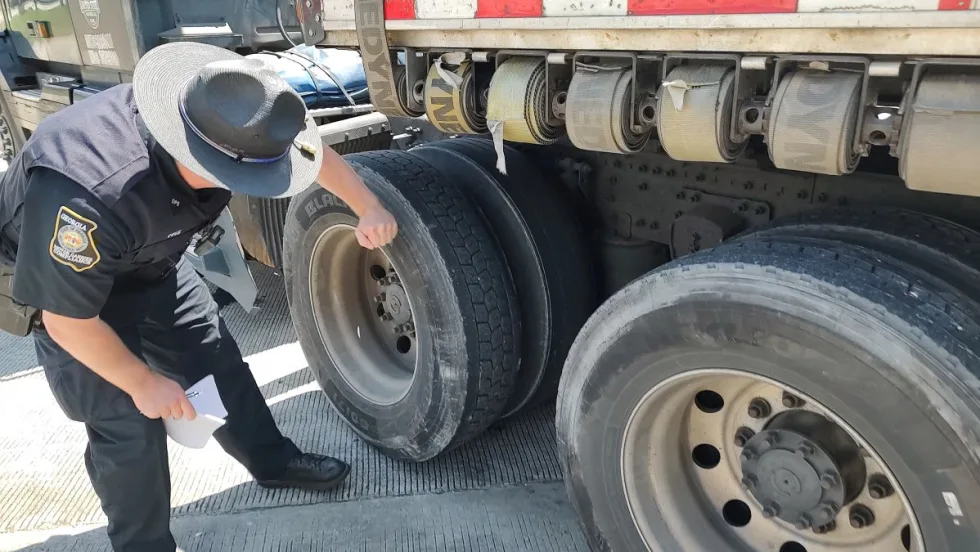
What an Out-of-Service Order Really Costs, and How to Plan for One
The repair invoice is the first number you see — and often one of the smallest. Here’s what else an out-of-service order can cost a fleet, and how planning can reduce the damage.
Read More →

International Launches Online Truck Parts Store
Fleetrite.com lets fleets and repair shops find OEM and all-makes parts, check prices and availability, and order without calling a parts counter.
Read More →
Continental Introduces New Regional Truck Tires
Continental says its new Generation 5 steer and drive tires for regional operations offer longer tread life, with estimated mileage gains of 22% and 19%, respectively.
Read More →
How AI Can Help Your Techs’ Efficiency
The technician shortage isn't going away, and no single fix can close the gap on its own. Trent Broberg makes the case that AI's real job in the shop is protecting the billable hours and job satisfaction of the techs you already have, not asking them to work faster.
Read More →
Color Match Smarter: Tools That Restore & Perform
For fleet managers and collision repair professionals keeping heavy-duty trucks on the road, getting the color right the first time isn't just about appearance — it's about efficiency, turnaround time, and bottom-line results. Discover how today's digital color tools are transforming the repair process from guesswork to precision.
Read More →
Wrong Repair Prompts Recall of Freightliner, Western Star 4x2 Trucks
DTNA is recalling more than 2,400 trucks that received an incompatible software fix instead of the hardware repair required to address brake valve corrosion.
Read More →
Truck Drivers Need More Than Another Alert
Fleets have more visibility into truck health, safety events, and driver activity than ever. The next challenge is turning all that information into useful guidance for the person who has to decide what to do next.
Read More →
The Maintenance Checks Trucking Fleets Should Prioritize Before Fall Freight Picks Up
Making it through August isn’t the same as being ready for the next several months of operation. Find out what systems may have suffered from summer heat and need to be checked out before fall.
Read More →