




Tips for Packing a Tapered Roller Bearing
Improper lubrication causes over half of all the bearing damage that we see in the aftermarket. Timken offers these helpful procedures for packing a bearing with grease
Improper lubrication causes over half of all the bearing damage that we see in the aftermarket. Timken offers these helpful procedures for packing a bearing with grease.
The useful life of a tapered roller bearing depends to a great extent on the proper lubrication of the bearing. This is especially true in wheel bearings where operating conditions include dirt, moisture and high and low temperatures.
Lubricants aid in carrying away heat, protecting bearing surfaces from corrosion and reducing friction.
By Hand
1) Thoroughly clean your hands or put on a new pair of latex gloves.
2) Place a blob of grease, approximately the size of a golf ball, into the palm of one of your hands.
3) Using your opposite hand, push the large end of the bearing cone assembly into the grease. This enables the grease to be forced between the rollers, cage and cone.
4) Continue pushing grease into the large end, rotating the entire cone assembly, until the grease is forced out evenly
around the entire small end.
5) Smear excess grease on the outside of the bearing cone assembly.
Using A Mechanical Grease Packer
1) Thoroughly clean your hands or put on a new pair of latex gloves.
2) Place the bearing cone assembly, small end down, into the grease packer funnel.
3) Plug the bore of the large end of the bearing cone assembly with the conical retainer.
4) Firmly press down on the conical retainer. This enables the grease to be forced between the rollers, cage and cone.
5) Smear excess grease on the outside of the bearing cone assembly.
NOTE:
For best results, ample space is essential in the housing to allow room for excess grease to be thrown from the bearing and for heat dissipation. It is equally important to retain the grease around the bearing. Normally, the housing should be 1/3 to no more than 1/2 full of grease during bearing assembly. Too much grease in the housing may cause excess churning of the grease and high temperatures.
More Maintenance
What Three Fleets Are Doing Differently When Buying Truck Parts in 2026
With freight improving but costs still climbing, fleet maintenance executives explain how they're balancing price, quality, and supplier relationships.
Read More →
Paccar Recalls 2027 Trucks Built This Summer for Possible Electrical Problem
The nearly 6,000 Kenworth and Peterbilt trucks in the recall could potentially lose engine power, among other things.
Read More →
Will API PC-12 Oil Change Trucking Fleet Maintenance?
The new API PC-12 heavy-duty engine oil category reflects the changing demands of modern diesel engines. But fleets like Foodliner are looking to getting their own data before making decisions on adopting the new oils and questions such as extending oil drain intervals.
Read More →
Brake Safety Week to Focus on Drums and Rotors
Commercial vehicle inspectors will be focusing on brakes during CVSA's Brake Safety Week, August 23-29.
Read More →
Possible Battery-Cable Fires Prompt Recall of 15,000+ International MV and HV Trucks
On the recalled vehicles, manufacturing variations can cause the battery interconnect cable to contact the auxiliary stud and hold down the bracket.
Read More →
Rush, MCT Team Up to Grow Refrigeration Service Network
The joint venture will operate MCT's network of Carrier Transicold dealerships and mobile service locations, with the companies promising greater service capacity and uptime for refrigerated fleets.
Read More →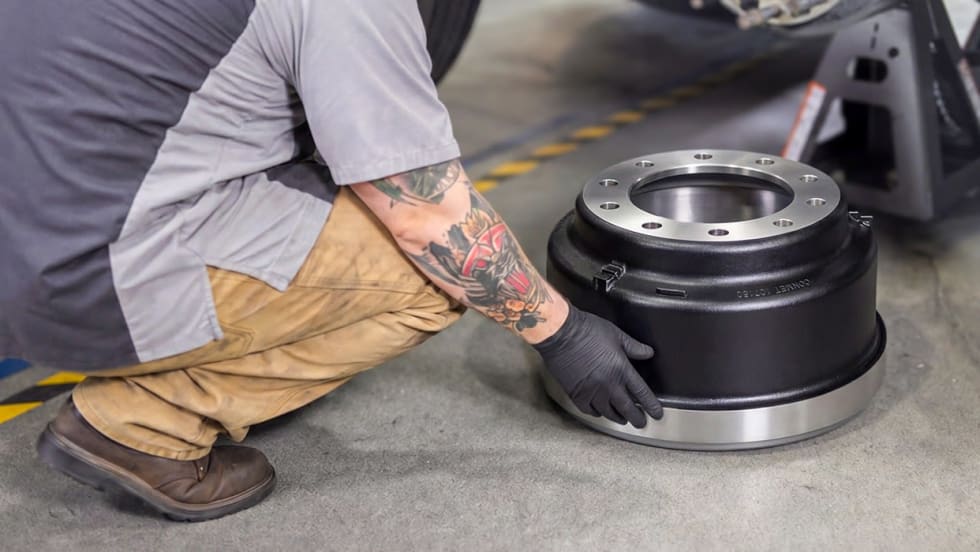
ConMet Expands Aftermarket Brake Drum Lineup With TruCast
A new heavy-duty truck brake drum option in the aftermarket gives customers more flexibility within the ConMet product family.
Read More →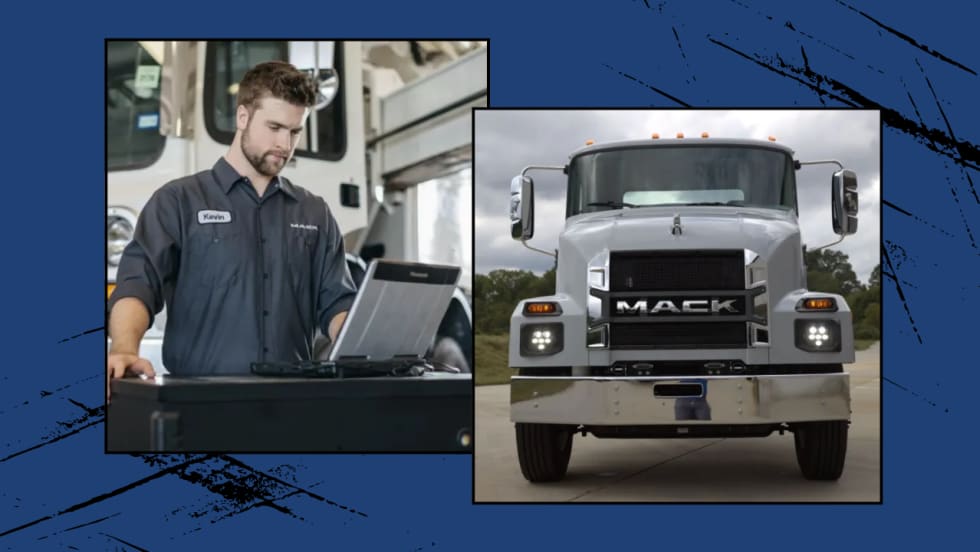
Mack Expands Premium Service Contract Coverage to Medium-Duty MD
With a service contract, inspections, preventive maintenance and repairs can be handled in a single visit instead of multiple ones.
Read More →
Maintenance in the Messy Middle Part 5: Battery-Electric Trucks
No oil changes. No diesel exhaust fluid. No exhaust aftertreatment. But NACFE battery-electric trucks still require specialized maintenance procedures.
Read More →
Trucking Fleets Faced Record Operating Costs During Third Year of Freight Recession
ATRI's annual operational cost report shows carriers trimmed fleets, delayed equipment purchases, and ran older trucks as expenses continued to outpace freight rates.
Read More →