




Old Dominion's Green Shop
Old Dominion Freight Line has implemented environmentally conscious programs at all 31 of its shops in the lower 48 states
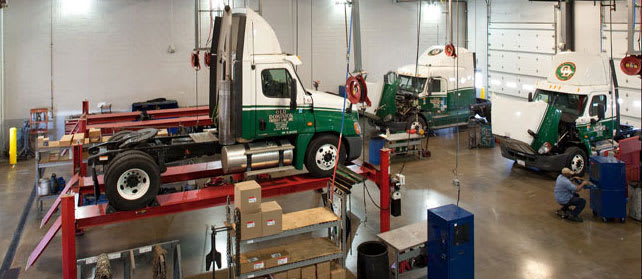
Old Dominion Freight Line has implemented environmentally conscious programs at all 31 of its shops in the lower 48 states.
The shops employ a long list of "green" tools and programs. Most notable perhaps is ODFL's use of oil/water separators, a pressure washer system that collects and cleanses used water, allowing it to be recycled. Company buildings also use reflective roofing, or cool roofs, that reflect solar heat and reduce cooling costs. Energy-efficient HVAC units further reduce energy usage.
These are somewhat flashy, big-equipment investments, but it's important to note the bulk of the work is more mundane, and more within reach for the average fleet.
"It all starts with the low-hanging fruit," explained Tom Newby, director of field maintenance. "All shops have antifreeze and fuel; it's very easy to get involved in programs that recycle that."
Recycling programs exist in many areas, and in some cases, fleets may be able to sell some of their waste products. It's fairly common, for example, for recycling companies to pay for waste oil. In some cases, waste oil can also be used to help heat shops in the winter.
Start small
Other measures at ODFL include use of T8 and T5 low-energy light bulbs, 8-foot ceiling fans, trucks upfitted with Femco Quick disconnects so oil can be pumped from oil pan to waste oil tanks, and the use of spill containment pallets for drums.'
The list goes on, but being green is about more than buying products. "It is definitely more of a lifestyle," said Jayna Long, manager of sustainability at Old Dominion.
The backbone of the ODFL program, and green programs in general, is employee awareness and appreciation of sustainability goals. It is one thing to buy equipment and call a recycling service, but it's quite another to make sure all potentially hazardous materials are handled well. For a sustainability effort to be successful, the goals have to be lived out every single day.
The key, Newby says, is starting with small, manageable goals. According to him and Long, if a shop can manage the easy stuff, it will snowball from there.
"You start small and keep moving forward, and eventually you have a program you can be really proud of," Long said.
Times are changing
Newby admits there's nothing really new about "going green."
"In this day in age everyone is doing it," he said. "You can't go throwing a tire down a hill anymore." Nor can you pour oil or antifreeze down a sewer drain, nor contaminate ground water with leaky underground fuel tanks, nor toss a vehicle battery in the trash.
But regulations against pollution only go so far. It takes real vigilance to truly run a clean operation, and programs like the one at Old Dominion are adding momentum to the sustainability zeitgeist.
ODFL is raising the bar even higher. The company is shooting for LEED Silver certification on its newest facility in Ohio. LEED, or Leadership in Energy and Environmental Design, certification through the U.S. Green Building Council provides a framework for identifying and implementing measurable green building projects. The four levels of certification, Platinum, Silver, Gold and LEED, demonstrate a company's commitment to environmental standards.
There's certainly commitment at ODFL. As Long said, the question is, "How can we improve efficiency anywhere we look?"
From the July 2011 issue of Heavy Duty Trucking
More Maintenance

Color Match Smarter: Tools That Restore & Perform
For fleet managers and collision repair professionals keeping heavy-duty trucks on the road, getting the color right the first time isn't just about appearance — it's about efficiency, turnaround time, and bottom-line results. Discover how today's digital color tools are transforming the repair process from guesswork to precision.
Read More →
Wrong Repair Prompts Recall of Freightliner, Western Star 4x2 Trucks
DTNA is recalling more than 2,400 trucks that received an incompatible software fix instead of the hardware repair required to address brake valve corrosion.
Read More →
Truck Drivers Need More Than Another Alert
Fleets have more visibility into truck health, safety events, and driver activity than ever. The next challenge is turning all that information into useful guidance for the person who has to decide what to do next.
Read More →
The Maintenance Checks Trucking Fleets Should Prioritize Before Fall Freight Picks Up
Making it through August isn’t the same as being ready for the next several months of operation. Find out what systems may have suffered from summer heat and need to be checked out before fall.
Read More →
What Three Fleets Are Doing Differently When Buying Truck Parts in 2026
With freight improving but costs still climbing, fleet maintenance executives explain how they're balancing price, quality, and supplier relationships.
Read More →
Paccar Recalls 2027 Trucks Built This Summer for Possible Electrical Problem
The nearly 6,000 Kenworth and Peterbilt trucks in the recall could potentially lose engine power, among other things.
Read More →
Will API PC-12 Oil Change Trucking Fleet Maintenance?
The new API PC-12 heavy-duty engine oil category reflects the changing demands of modern diesel engines. But fleets like Foodliner are looking to getting their own data before making decisions on adopting the new oils and questions such as extending oil drain intervals.
Read More →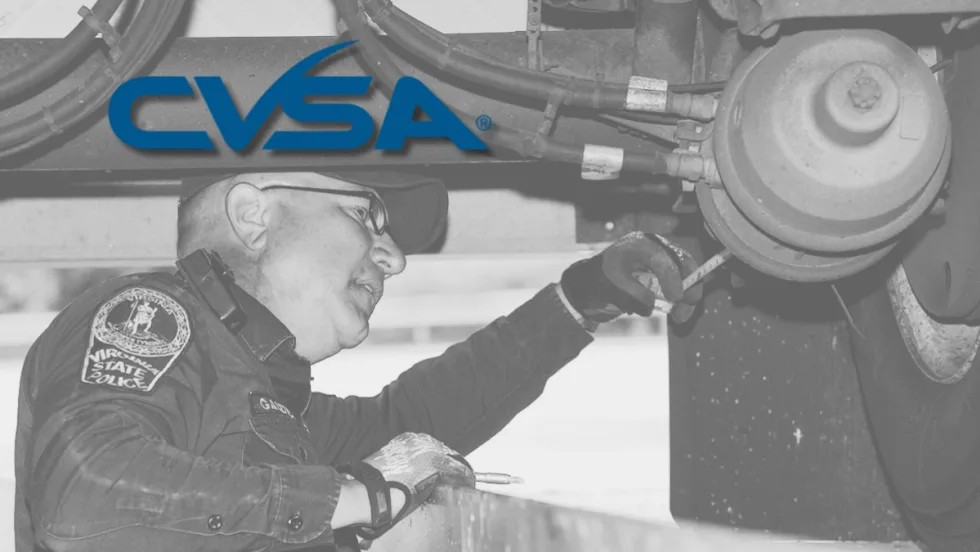
Brake Safety Week to Focus on Drums and Rotors
Commercial vehicle inspectors are focusing on truck brakes during CVSA's Brake Safety Week, August 23-29.
Read More →Possible Battery-Cable Fires Prompt Recall of 15,000+ International MV and HV Trucks
On the recalled vehicles, manufacturing variations can cause the battery interconnect cable to contact the auxiliary stud and hold down the bracket.
Read More →
Rush, MCT Team Up to Grow Refrigeration Service Network
The joint venture will operate MCT's network of Carrier Transicold dealerships and mobile service locations, with the companies promising greater service capacity and uptime for refrigerated fleets.
Read More →