




Managing Maintenance With Software, Part Two
Many fleet operations are too small to benefit from a sophisticated maintenance-management software system. They may be right, but probably not because there isn't a software product that would suit them
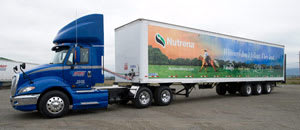
Skagit Transportation Maintenance Manager Bob Dorsey looks after a fleet of 90 tractors and 200-plus trailers, and he does it with the help of the long-established TruckMate software.
Many fleet operations are too small to benefit from a sophisticated maintenance-management software system. They may be right, but probably not because there isn't a software product that would suit them.
"At the risk of sounding glib, there really is no minimum fleet size" when you're talking maintenance software, says Bob Hausler, vice president of marketing and technology at Arsenault Associates, which makes Dossier maintenance-management software.
Even if you have only a single asset, managing, tracking and optimizing maintenance so you get the most from that asset is worthwhile. The real question is, how many units do you need to make investment in maintenance software cost-effective?
In practice, Hausler says, despite his company's best efforts to communicate the business benefits, and despite cost-effective licensing and online services priced specially for very small fleets, "not many fleets with less than 15 or 20 units are willing or able to make the commitment to purchase and effectively utilize fleet-maintenance-management software. Those that do make the commitment are able to see and realize the same percentage benefits in savings or improvements as larger fleets."
As Hausler says, a key to using maintenance software is making a commitment to use it effectively. That's why maintenance consultant Carl Tapp, who retired last year from his longtime role as vice president of maintenance at Arkansas-based P.A.M. Transportation Services, says one of the questions you must ask before diving into any particular maintenance software product is simple: Can you support it?
Are you big enough to have an IT department that will help install and maintain the program? Or will you rely on the vendor? Is that vendor willing and able to provide initial training as well as ongoing support? Even if it's a Web-based product that doesn't need on-site installation, you'll still need help to make the best use of even the most intuitive system.
No matter which system you choose, it won't be an easy transition, especially if you're moving from pen and paper or whiteboard systems. But even if you're coming from some other kind of computerized setup, don't expect a perfectly smooth path.
At Skagit Transportation in Mount Vernon, Wash., maintenance manager Bob Dorsey looks after a fleet of 90 tractors and 200-plus trailers, and he does it with the help of the long-established TruckMate software, now owned by TMW. It's a total fleet-management system the company uses for dispatch and accounting, but since last July, Dorsey has been using its maintenance-management module.
Dorsey has only good things to say about the system but admits to a challenge in implementing it in the Skagit maintenance operation.
"Before I arrived in 2004 we had just used the 'work order to spreadsheet' method," he explains. He initially tried a different program, but he switched to TruckMate because of the integration into the company's other departments and updates to the software.
"The integration took a lot of time and self learning," Dorsey says.
He warns that the process demands "many hours of input" at first to get your parts and vehicles entered into the system, depending on how much information you want and how large your fleet and parts inventory are. Other maintenance managers we spoke to agreed that accuracy at that inputting stage is crucial, but it remains important all the way through.
"Our main goals were to integrate maintenance with operations and accounting," Dorsey explains. "It's easier now in terms of accounting and tracking of the maintenance costs of our equipment. I can also see where our equipment is and schedule maintenance. It also helps control our inventory, which is quite diverse."
No matter which one you choose, a maintenance-management system isn't a set-it-and-forget-it kind of thing.
At O&S Trucking in Springfield, Mo., Jim Frieze and his maintenance staff meet every week if there are issues to address, specifically in terms of their Cetaris Fleet Assistant software. They never go more than two weeks.
"It's a matter of constant reinforcement," says Frieze, who's vice president of maintenance.
"There are quite a few maintenance programs out there these days, but which one is the best depends on your needs," says Skagit's Dorsey. "For some, it just may be the old standby Excel spreadsheet. For others they may want to integrate it into the rest of the company, therefore requiring a more complex system. It's something that takes much time and consideration, especially with the new laws out there and all of the maintenance tracking that a company has to do."
The brutal truth is a 20-truck operation has exactly the same set of legal obligations as a fleet with 2,000 vehicles. At the very least, PM scheduling has to be managed to near perfection. If it can be done with a simple spreadsheet, great - but can it? Long before you talk about managing warranty and tracking component costs and managing parts inventory, there's the basic job of keeping trucks and trailers in roadworthy condition. We're talking about CSA-compliant condition, with records to prove it. The right management system can make the job much easier.
"Trying to manage a fleet using less technology is like settling to 'not lose too much money,'" says Charles Arsenault, founder of Arsenault Associates. "In this troubled economic environment, that just won't do."
To read part one of this story, click here.
From the March 2012 issue of HDT
More Maintenance
Shell Prepares Rotella Oils for 2027
New CL-4 and FB-4 formulations will begin arriving in early 2027, with improved protection against oil breakdown, wear and deposits, according to Shell.
Read More →
Mack Expands Extended Coverage With Four Chassis System Plans
Mack Trucks' new system-specific coverage options allow heavy-duty fleets to select protection for driveline, cab, HVAC, electronics, and advanced safety components.
Read More →
What an Out-of-Service Order Really Costs, and How to Plan for One
The repair invoice is the first number you see — and often one of the smallest. Here’s what else an out-of-service order can cost a fleet, and how planning can reduce the damage.
Read More →

International Launches Online Truck Parts Store
Fleetrite.com lets fleets and repair shops find OEM and all-makes parts, check prices and availability, and order without calling a parts counter.
Read More →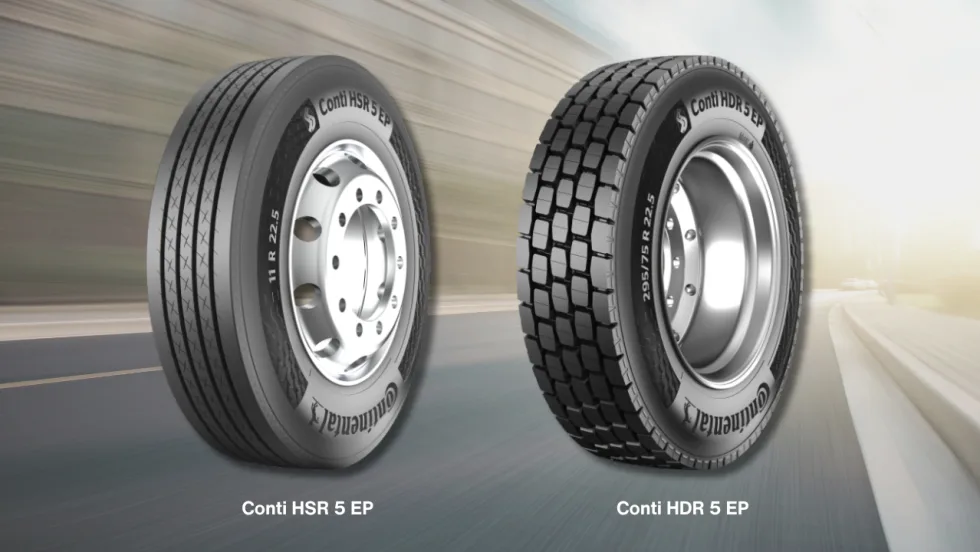
Continental Introduces New Regional Truck Tires
Continental says its new Generation 5 steer and drive tires for regional operations offer longer tread life, with estimated mileage gains of 22% and 19%, respectively.
Read More →
How AI Can Help Your Techs’ Efficiency
The technician shortage isn't going away, and no single fix can close the gap on its own. Trent Broberg makes the case that AI's real job in the shop is protecting the billable hours and job satisfaction of the techs you already have, not asking them to work faster.
Read More →
Color Match Smarter: Tools That Restore & Perform
For fleet managers and collision repair professionals keeping heavy-duty trucks on the road, getting the color right the first time isn't just about appearance — it's about efficiency, turnaround time, and bottom-line results. Discover how today's digital color tools are transforming the repair process from guesswork to precision.
Read More →
Wrong Repair Prompts Recall of Freightliner, Western Star 4x2 Trucks
DTNA is recalling more than 2,400 trucks that received an incompatible software fix instead of the hardware repair required to address brake valve corrosion.
Read More →
Truck Drivers Need More Than Another Alert
Fleets have more visibility into truck health, safety events, and driver activity than ever. The next challenge is turning all that information into useful guidance for the person who has to decide what to do next.
Read More →
The Maintenance Checks Trucking Fleets Should Prioritize Before Fall Freight Picks Up
Making it through August isn’t the same as being ready for the next several months of operation. Find out what systems may have suffered from summer heat and need to be checked out before fall.
Read More →