




Is Your Electrical Maintenance Doing the Job?
Electrical problems will bring a truck to its knees, no matter how humble the source of the problem. Prevention begins with proper maintenance.

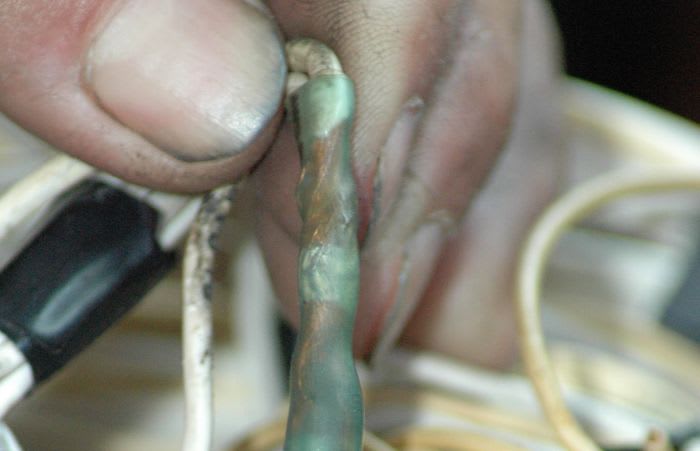
It’s a thankless and time-consuming job, but basic electrical maintenance requires a high level of discipline and the willingness to follow procedure. Photos: Jim Park
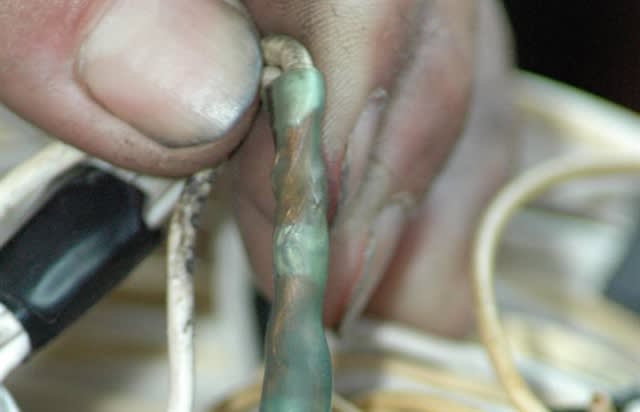
It’s a thankless and time-consuming job, but basic electrical maintenance requires a high level of discipline and the willingness to follow procedure. Photos: Jim Park
Most electrical maintenance isn’t rocket science — but let’s not confuse basic electrical maintenance with electronic troubleshooting, which truly is a science.
The idea is to keep the electrons flowing to where they are needed in the appropriate voltages and current. That means doing everything humanly possible to prevent restrictions to current flow, such as not allowing corrosion to eat away at a wire or a connector. Corroded wires do not conduct electricity very well at all, and that limits current flow to the component, such as an electric actuator on a turbocharger or the shifter servos in an automated manual transmission.
“I have seen AMTs pulled and overhauled for erratic shifting when it was actually a low-voltage problem,” says Darry Stuart, fleet maintenance consultant and frequent moderator at the Fleet Talk and Fleet Forum sessions at ATA’s Technology & Maintenance Council meetings. “That’s an expensive mistake.”
Don't Take Shortcuts With Electrical Maintenance
Basic electrical maintenance done right requires disciplined techs following proper procedures. Stuart says it’s easy to take shortcuts, and since most techs don’t really like doing battery maintenance, you have to require them to do the work properly.
“Whether or not to disconnect the cables, clean the connectors and load test the batteries should not be left to the technician’s discretion,” Stuart says. “That work has to be done at each and every PM. No ifs, ands or buts.”
Cleaning the terminal posts and the cable connectors, along with inspecting the cables for corrosion and wicking, has to be done right or you’re wasting your time.
Do You Need to Grease the Battery Terminals?
However, Stuart says, somewhat controversially, that dielectric grease and anti-corrosion compounds should not be used on battery terminals.
“You can lose two volts right at the terminal posts just due to dust inside the connection,” he contends. “Those anti-corrosion compounds are messy and difficult to remove when cleaning. They also give you a false sense of security and may lead the tech to neglect to clean the posts and connectors properly.”
Avoid Chafed Cables
Another potential problem that is often overlooked at PM is cable routing. This should also be done as part of a pre-delivery inspection, as manufacturers can get a bit sloppy in tying off cables that could rub against metal components and cause what has come to be known in polite company as a “thermal event.” The rest of us call it a fire.
“A chafed cable, at the very least, will short out whatever it’s connected to,” says Bruce Purkey, chief creative engineer at Purkey’s Fleet Electric. “At worst, if it’s a high-voltage cable, you’ll have a fire.
"I was once at a fleet that had had a fire, and when we inspected the rest of the fleet, we found 27 more fires that just hadn’t happened yet.
"I can’t over stress the need for thorough, and I mean very thorough, inspections of the cable routing and the insulation wherever it even comes close to a metal contact. Remember, cable jiggles when the truck is in motion.”
Are You Using Outdated Electrical Cable Repair Procedures?
Another aspect of electrical maintenance that we are told needs a little more attention at most fleets is cable repairs. Modern connectors are made more weatherproof from the outset, but old practices can actually undermine the connector’s ability to keep out moisture.
“Some connectors, like AMP connectors, are designed not to have any dielectric grease in them, but techs are still putting blobs of grease in there before sealing the connector,” says Tom Begin, director of innovation and emerging technologies at Phillips Industries. “With those connectors, you don’t need any additional protection, but if you insist on using something, use nothing more than a light film of material. Otherwise you run the risk of popping out the neoprene seals. That negates the design of the connector.”
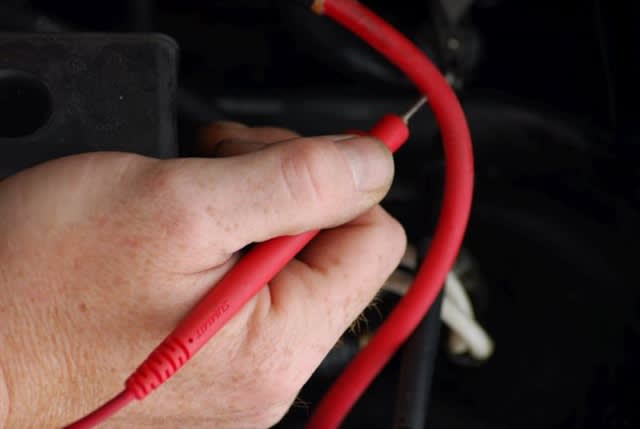
Don’t ever let a tech stick a circuit probe through wire insulation.
At the other end of the spectrum, we still have mechanics and do-it-yourselfers using the old-fashioned butt connector.
“Diesel technicians have been using butt connectors since Moby Dick was a guppy,” says George Arrants, director of training at WheelTime. “It’s a really easy way to fix a frayed wire. The problem is they are not sealed. The outside elements can enter the ends of the butt connector, which causes resistance, which changes the way the current flows, which changes both the amperage and the voltage.
"That either sends erroneous signals back to the computer, or restricts current flow. That can impair the performance of the end component, such as a relay or an actuator.”
Arrants stresses the importance of learning proper wire repair procedures, and more importantly, how to repair a Weather Pack connector.
“Once you get those things figured out, most of your problems are going to disappear,” he says with a chuckle.
Well, maybe not disappear, but they will certainly be minimized. From the tech’s perspective, electrical maintenance might be right up there on the excitement meter with brake and tire work, but it’s vital work that has to be done regularly and properly. Stuart says no investment in technician training is ever enough, and the importance of following proper procedures cannot be over stressed.
More Maintenance

Color Match Smarter: Tools That Restore & Perform
For fleet managers and collision repair professionals keeping heavy-duty trucks on the road, getting the color right the first time isn't just about appearance — it's about efficiency, turnaround time, and bottom-line results. Discover how today's digital color tools are transforming the repair process from guesswork to precision.
Read More →
Wrong Repair Prompts Recall of Freightliner, Western Star 4x2 Trucks
DTNA is recalling more than 2,400 trucks that received an incompatible software fix instead of the hardware repair required to address brake valve corrosion.
Read More →
Truck Drivers Need More Than Another Alert
Fleets have more visibility into truck health, safety events, and driver activity than ever. The next challenge is turning all that information into useful guidance for the person who has to decide what to do next.
Read More →
The Maintenance Checks Trucking Fleets Should Prioritize Before Fall Freight Picks Up
Making it through August isn’t the same as being ready for the next several months of operation. Find out what systems may have suffered from summer heat and need to be checked out before fall.
Read More →
What Three Fleets Are Doing Differently When Buying Truck Parts in 2026
With freight improving but costs still climbing, fleet maintenance executives explain how they're balancing price, quality, and supplier relationships.
Read More →
Paccar Recalls 2027 Trucks Built This Summer for Possible Electrical Problem
The nearly 6,000 Kenworth and Peterbilt trucks in the recall could potentially lose engine power, among other things.
Read More →
Will API PC-12 Oil Change Trucking Fleet Maintenance?
The new API PC-12 heavy-duty engine oil category reflects the changing demands of modern diesel engines. But fleets like Foodliner are looking to getting their own data before making decisions on adopting the new oils and questions such as extending oil drain intervals.
Read More →
Brake Safety Week to Focus on Drums and Rotors
Commercial vehicle inspectors are focusing on truck brakes during CVSA's Brake Safety Week, August 23-29.
Read More →
Possible Battery-Cable Fires Prompt Recall of 15,000+ International MV and HV Trucks
On the recalled vehicles, manufacturing variations can cause the battery interconnect cable to contact the auxiliary stud and hold down the bracket.
Read More →
Rush, MCT Team Up to Grow Refrigeration Service Network
The joint venture will operate MCT's network of Carrier Transicold dealerships and mobile service locations, with the companies promising greater service capacity and uptime for refrigerated fleets.
Read More →