




How IT Can Help With Warranty Recovery
Probably at least half of the hundreds of thousands of over-10-unit fleets in the U.S. are managed manually - by "white board," yellow note pad, and by Excel spreadsheet - according to one estimate

Probably at least half of the hundreds of thousands of over-10-unit fleets in the U.S. are managed manually - by "white board," yellow note pad, and by Excel spreadsheet - according to one estimate.
Those can all work fine - until the numbers posted on a white board are accidentally erased, or yellow notes are mistakenly discarded. And a while a spreadsheet organizes things, it takes a lot of time to assemble reports from it.
It takes a big board or multiple sheets of paper or many columns in a spreadsheet to manage warranties. "Unit" warranties, which cover entire trucks, are fairly easy to track. It might not be too bad with extended unit warranties, with various coverages and time periods. Things start getting complicated in large fleets with multiple groups of tractors or trucks acquired over a number of years, but a good filing system and sharp people can keep a handle on it.
But it takes a really good filing system and very sharp people to note the installation date of a new battery, wheel seal or what-have-you on a road tractor that might or might not still be in its basic or extended warranty periods. And neither a filing or posting system will alert a clerk that a just-failed part is under warranty, and its maker should be billed for the amount of money represented by the warranty's unused time.
Add in the complexities of repairs and preventive maintenance visits by a fleet's power units and trailers, and it's easy to see why many fleet managers employ special computer-based programs to keep track of maintenance and recover warranty money from truck builders and component makers. That more don't is perplexing to Dave Reed, the guy who gave the above guesstimate. He's a fleet management consultant at Arsenault Associates, maker of the Dossier program, and he steered us to some customers who do.
Pocket power
One is Houston-based Silver Eagle Distributing, which operates 310 tractors and 357 trailers to transport Budweiser, Corona and Sam Adams beer and nearly 150 other beverages to 10,000 retail outlets in southeast Texas, says Ed Pritchard, senior vice president of fleet management. It also has 278 vans, 30 pickups and 61 cars driven by members of the sales and marketing departments. It has seven facilities for distribution, five with maintenance shops.
To manage those 1,245 pieces of equipment, the company started using Dossier in 1995 and added Pocket Dossier in 2006.
Pocket Dossier links wirelessly to software running on the company server. Technicians using handheld terminals have instant access to data on any vehicle. Handheld access has eliminated the need for technicians to walk to a desktop computer. Technicians check repair orders and access performance reports and vehicle histories from their work stations or when they go out to the yard to look at trucks. Silver Eagle has 28 handhelds that run Pocket Dossier, and each is assigned to a single technician.
Increased labor productivity has been obvious, mostly as a result of reduced paperwork for the technicians, according to Carrie Skinner, director of fleet administration, and maintenance assistant Dinorah Delgadillo. For example, templates reduce the time it takes for technicians to fill out repair orders and parts requisitions.
Dinorah has set up templates for Pocket Dossier so when they're reporting on routine jobs, they only need to press one button and all the information is right there at their fingertips.
Silver Eagle has templates for coverage of new trucks and repair parts. "Unit" warranties involve a complete truck, while coverage for each part is a "parts failure" warranty. Skinner and Delgadillo give them descriptive names, like "Ford bumper-to-bumper."
"Once you have set up the warranty templates and assigned them to vehicles, each time you enter a repair order the program will automatically check to see if that repair falls within a possible warranty term," Skinner explains. "If it does, it will notify you of such, and will automatically document it on a Warranty Claim Report."
The program automatically recognizes potential unit warranty claims based on the initial setup of unit warranty as compared to repairs orders charged against the unit. All repair reasons are included on the reports. You can check on the date range and warranty type.
The system saves time in the shop and in the office. "Before Pocket Dossier, mechanics would manually hand-write all the various aspects of maintenance and inspections they performed on a vehicle," Skinner recalls. "Dinorah and I would have to type it, and of course we would make errors because we didn't always understand some of the technical terms used by the technicians. Or we would have to get up from our desk, go into the shop and ask the technicians specifically, 'What did you mean here?'"
Another view
Not every manager feels technicians should work directly with a computer. Greg Walsh, director of maintenance at New World Van Lines in Chicago, has been using Dossier at least since 1988.
He still has managers and mechanics write out repair orders and reports, then forward them to his office for inputting to the Dossier system. "That way we know what's being done and where it's being done, and it adds to control," he explains.
Trying to get mechanics at New World's main shops in Chicago and Houston, plus 14 smaller facilities, to use the same terminology would be difficult, whether they put it on paper or into a laptop computer. But clerks at his Chicago office can interpret what mechanics have written out and input everything in a common format that includes key words. Then he and others can read the information and use it to run the fleet.
Warranty recovery is also done pretty much the old-fashioned way, by phone, email and paperwork, and sending in failed parts where it's required and makes sense. But Dossier advises headquarters when a part is still under warranty and credit is due.
Other systems
Dossier isn't the only maintenance management program that can help fleets handle warranty recovery more efficiently. For instance, TMT Fleet Maintenance software from TMW Systems has a warranty management module that tracks the unit, system, or component under warranty by automatically creating the warranty master records. It also provides daily warranty reports, failed parts analysis, warranty claims preparation and claims analysis. You can do this for OEM, extended-warranty and aftermarket parts, with features that prepare warranty claims and credit warranty recoveries to units for accurate cost capture.
Collective Data is another example. Its Exception Reporting module can send automatic e-mailed reports for upcoming warranties that are about to expire. Or it can be set to continuously update an upcoming warranty expiration report that personnel can view through a network.
Some progressive fleets also handle warranty claims via electronic data interchange, or EDI. This saves time by eliminating paperwork and speeds delivery of information between fleets and suppliers. It also quickens payments or awarding of cash or credit to customers.
Without these types of programs, someone would have to comb files or maybe look on that big white board or pages of notes to see if anything is relevant. Chances are things are rushed and it just wouldn't get done. And warranty funds, whether in cash, credit or new parts, would remain unclaimed.
From the February 2011 issue of Heavy Duty Trucking magazine.
More Maintenance
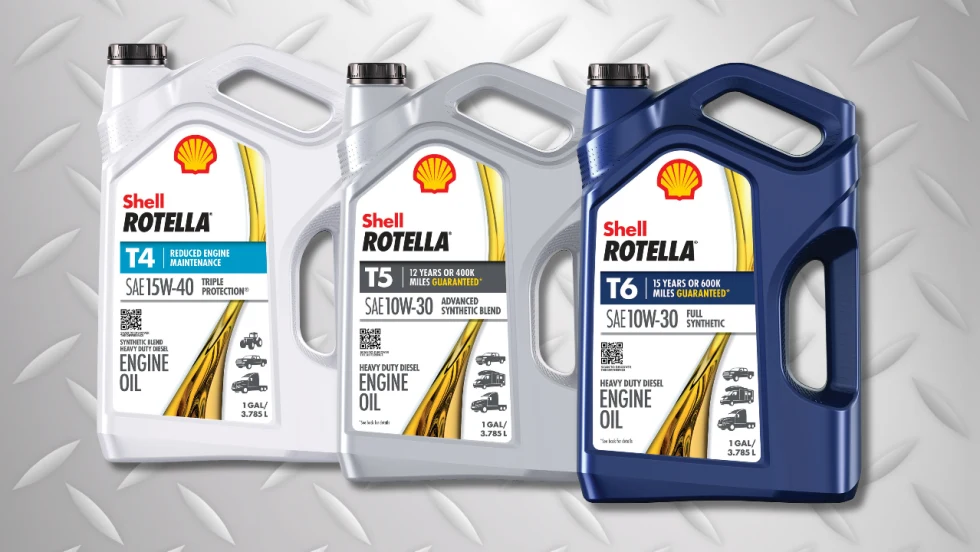
Shell Prepares Rotella Oils for 2027
New CL-4 and FB-4 formulations will begin arriving in early 2027, with improved protection against oil breakdown, wear and deposits, according to Shell.
Read More →
Mack Expands Extended Coverage With Four Chassis System Plans
Mack Trucks' new system-specific coverage options allow heavy-duty fleets to select protection for driveline, cab, HVAC, electronics, and advanced safety components.
Read More →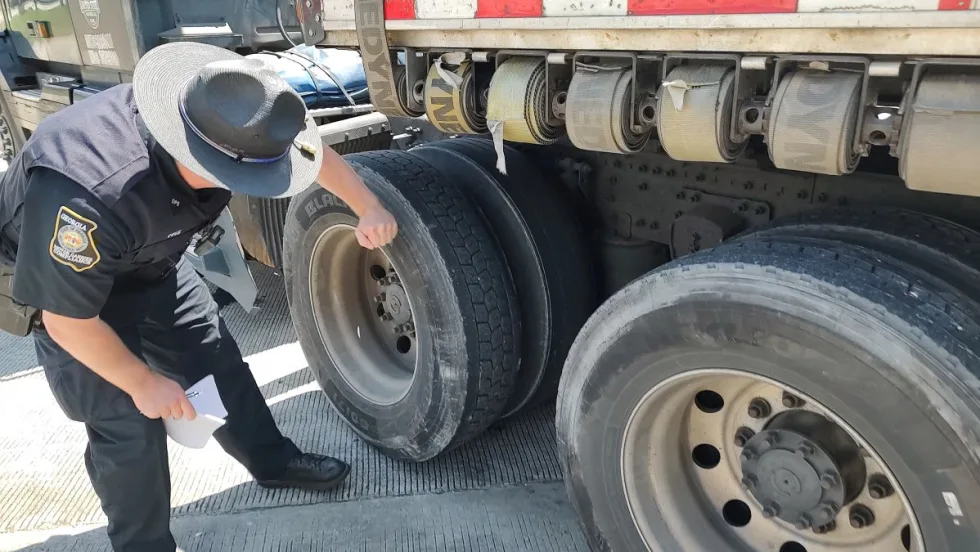
What an Out-of-Service Order Really Costs, and How to Plan for One
The repair invoice is the first number you see — and often one of the smallest. Here’s what else an out-of-service order can cost a fleet, and how planning can reduce the damage.
Read More →
International Launches Online Truck Parts Store
Fleetrite.com lets fleets and repair shops find OEM and all-makes parts, check prices and availability, and order without calling a parts counter.
Read More →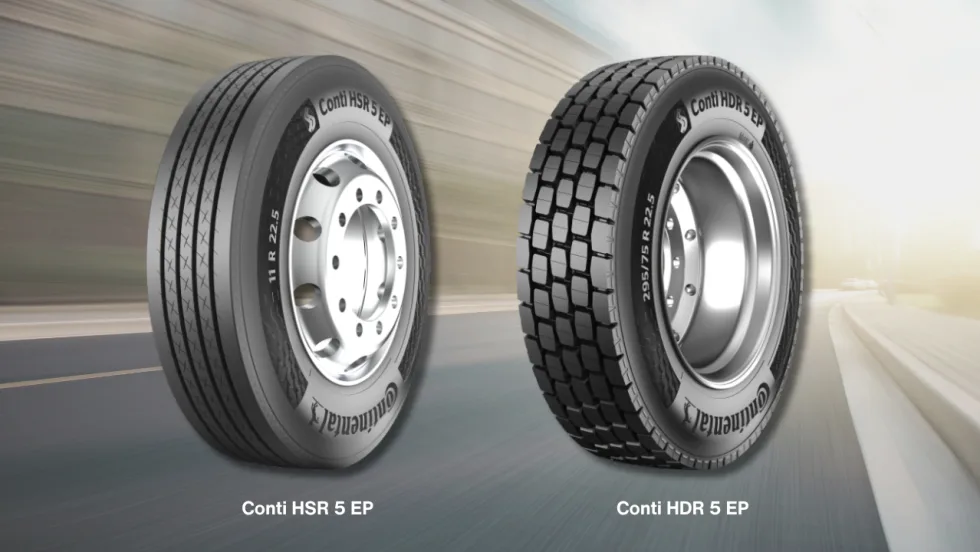
Continental Introduces New Regional Truck Tires
Continental says its new Generation 5 steer and drive tires for regional operations offer longer tread life, with estimated mileage gains of 22% and 19%, respectively.
Read More →
How AI Can Help Your Techs’ Efficiency
The technician shortage isn't going away, and no single fix can close the gap on its own. Trent Broberg makes the case that AI's real job in the shop is protecting the billable hours and job satisfaction of the techs you already have, not asking them to work faster.
Read More →
Color Match Smarter: Tools That Restore & Perform
For fleet managers and collision repair professionals keeping heavy-duty trucks on the road, getting the color right the first time isn't just about appearance — it's about efficiency, turnaround time, and bottom-line results. Discover how today's digital color tools are transforming the repair process from guesswork to precision.
Read More →
Wrong Repair Prompts Recall of Freightliner, Western Star 4x2 Trucks
DTNA is recalling more than 2,400 trucks that received an incompatible software fix instead of the hardware repair required to address brake valve corrosion.
Read More →
Truck Drivers Need More Than Another Alert
Fleets have more visibility into truck health, safety events, and driver activity than ever. The next challenge is turning all that information into useful guidance for the person who has to decide what to do next.
Read More →
The Maintenance Checks Trucking Fleets Should Prioritize Before Fall Freight Picks Up
Making it through August isn’t the same as being ready for the next several months of operation. Find out what systems may have suffered from summer heat and need to be checked out before fall.
Read More →