




Four Ways to Squash Maintenance Expense and Avoid Costly Breakdowns
A dilemna, dispatchers and drivers…maddening to customers…a thorn in fleet management’s side. That pretty much describes the impact of an unexpected vehicle breakdown (and aren’t they all unexpected?).
A dilemna, dispatchers and drivers…maddening to customers…a thorn in fleet management’s side. That pretty much describes the impact of an unexpected vehicle breakdown (and aren’t they all unexpected?).
More often than not, these events are the result of a reactive approach to maintenance. In contrast, fleets that approach maintenance proactively have great success in eliminating the potential for critical maintenance events that wreak havoc with revenue per mile, delivery schedules, repair costs and equipment utilization.
Here are some ways fleets take control of maintenance and prevent budget-busters.
Electronic DVIRs
Electronic driver vehicle inspection reports automate the creation of inspection tickets and work orders. An inspection form prompts the driver to complete required information. When a driver notes a defect on the eDVIR, the system automatically red-tags safety-related issues for highest priority maintenance.
The system speeds workflow and getting a truck back on the road by notifying maintenance and dispatch before a truck comes in instead of depending on a piece of paper that may get lost in an inbox. Dispatch has access to estimated completion time and therefore can make arrangements for an additional truck to ensure on-time delivery.
When the vehicle repair is completed, a message is sent to dispatch and the vehicle’s scheduled driver, describing the corrective action that was completed. A complete report, including eDVIRs that do not require maintenance, is stored in the system to provide a comprehensive vehicle maintenance history.
Having a vehicle’s maintenance/repair history helps management make better decisions about future issues and vehicle purchases, as well as avoid fines and heavy penalties associated with roadside inspections under CSA.
Fault codes
Think of fault codes as an early warning system that’s powered by engine data. Exception alerting identifies potential mechanical issues, so maintenance can nip them in the bud before they become delivery headaches and major repair problems with high price tags.
Early issue resolution helps the bottom line from the expense and income side by reducing major maintenance and towing costs and increasing revenue miles driven per day. This proactive tool speeds diagnostics and scheduling. Maintenance doesn’t have to wait until a truck arrives at the shop or dealership to determine how urgent an issue may be. They can schedule necessary repairs well in advance.
Fault-code reporting helps maintenance advise drivers what to do when they see the check-engine light. It’s not only reassuring to drivers, but also helps prevent unnecessary, unplanned trips to and stops at dealerships.
Trailer maintenance
An automated trailer-tracking system provides odometer readings that accurately represent trailer utilization. By creating location-based hook and drop events for the trailer and storing date/time, location, vehicle and trailer odometer information for the events, fleets have a history that enables accurate, usage-based maintenance for trailers.
Reduce out-of-route miles
Out-of-route miles cause unnecessary wear and tear on vehicles as well as costly fuel loss. Start by establishing a variance tolerance and identifying drivers who exceed it in a report that compares actual miles driven with published miles for each trip. Make the number of times a driver exceeds the threshold within a given period a performance metric on the driver scorecard.
In summary
Imagine more productive drivers who drive more…happier customers who receive deliveries on time…a maintenance budget free of surprise (and excessive) repair costs. Everyone wins with proactive maintenance.
More Maintenance
The Maintenance Checks Trucking Fleets Should Prioritize Before Fall Freight Picks Up
Making it through August isn’t the same as being ready for the next several months of operation. Find out what systems may have suffered from summer heat and need to be checked out before fall.
Read More →
What Three Fleets Are Doing Differently When Buying Truck Parts in 2026
With freight improving but costs still climbing, fleet maintenance executives explain how they're balancing price, quality, and supplier relationships.
Read More →
Paccar Recalls 2027 Trucks Built This Summer for Possible Electrical Problem
The nearly 6,000 Kenworth and Peterbilt trucks in the recall could potentially lose engine power, among other things.
Read More →
Will API PC-12 Oil Change Trucking Fleet Maintenance?
The new API PC-12 heavy-duty engine oil category reflects the changing demands of modern diesel engines. But fleets like Foodliner are looking to getting their own data before making decisions on adopting the new oils and questions such as extending oil drain intervals.
Read More →
Brake Safety Week to Focus on Drums and Rotors
Commercial vehicle inspectors are focusing on truck brakes during CVSA's Brake Safety Week, August 23-29.
Read More →
Possible Battery-Cable Fires Prompt Recall of 15,000+ International MV and HV Trucks
On the recalled vehicles, manufacturing variations can cause the battery interconnect cable to contact the auxiliary stud and hold down the bracket.
Read More →
Rush, MCT Team Up to Grow Refrigeration Service Network
The joint venture will operate MCT's network of Carrier Transicold dealerships and mobile service locations, with the companies promising greater service capacity and uptime for refrigerated fleets.
Read More →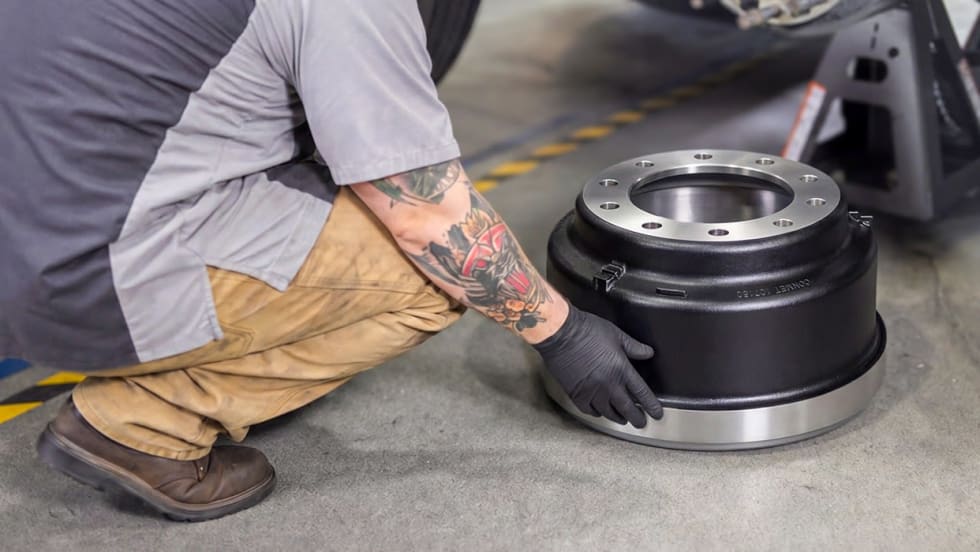
ConMet Expands Aftermarket Brake Drum Lineup With TruCast
A new heavy-duty truck brake drum option in the aftermarket gives customers more flexibility within the ConMet product family.
Read More →
Mack Expands Premium Service Contract Coverage to Medium-Duty MD
With a service contract, inspections, preventive maintenance and repairs can be handled in a single visit instead of multiple ones.
Read More →
Maintenance in the Messy Middle Part 5: Battery-Electric Trucks
No oil changes. No diesel exhaust fluid. No exhaust aftertreatment. But NACFE battery-electric trucks still require specialized maintenance procedures.
Read More →