A new engine fan helped one Texas refuse fleet cut maintenance costs while boosting safety.
Photos: Texas Disposal Systems
2 min to read
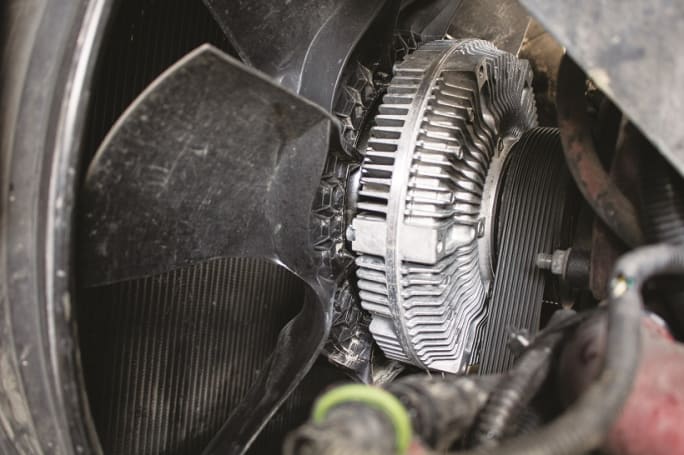
Sometimes changing out the most basic engine component can have a profound effect on fleet operations. That’s the case in Texas, where Harold Graves, director of maintenance for Texas Disposal Systems, discovered his technicians were spending less time under the hoods of his trucks when he swapped out standard OEM fans for Horton RCV250 variable-drive engine fans.
Ad Loading...
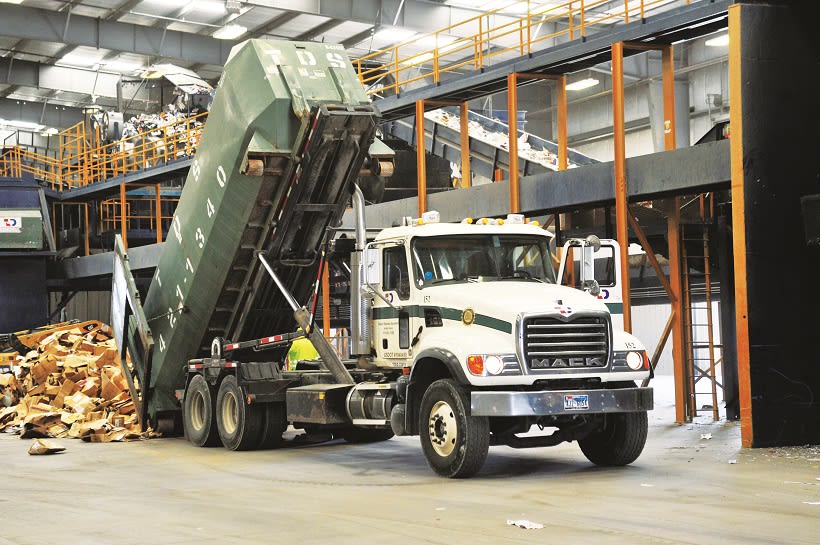
The fleet is primarily composed of Mack and Peterbilt refuse trucks equipped with Allison transmissions and brake retarders, working in a tough, stop-and-go urban application in a hot, muggy climate.
“Working in that environment, fan hub failures were an almost weekly occurrence,” Graves says. “And when we had a fan failure, it would usually fly right through the radiator. So we’d end up with a truck that needed a tow back to our shop and two major components replaced.”
Ad Loading...
To counter the problem, Texas Disposal began field-testing the Horton RCV250 cooling fan a couple of years ago. Graves says the fleet met with good success right off the bat with both Mack MP7 and Cummins engines.
Fully variable speed control reduces operating noise, lowers fuel costs, and provides cold weather performance advantages, according to Horton. The RCV250 is an integrated belt-driven fan drive that can be mounted in various locations to eliminate the vibration inherent in traditional driveshaft-mounted fan drives.
On trash collection routes, Graves says the benefits of the switch have been more consistent engine temperatures as well as better coolant flow in radiators with less clogging. And, of course, fewer fan failures.
“The real selling point here is that when an RCV250 fan fails, it does so in its default ‘On’ position,” Graves says. “So even though it’s not functioning properly, it still continues to cool the truck. And the bearings are set up in a way that doesn’t allow a failed fan to fly off the hub and into the radiator. So the truck can either finish its route or limp home. And the price of the fan repair isn’t augmented by an additional radiator repair. Additionally, our drivers have noted that the trucks are much quieter, which helps us with safety as well.”
Texas Disposal Systems needed a more reliable engine fan that could handle hot, humid climates and wouldn’t destroy a truck’s radiator if it failed. Horton’s RCV250 cooling fan fit the bill, and proved to be significantly quieter during refuse operations as well.
For fleet managers and collision repair professionals keeping heavy-duty trucks on the road, getting the color right the first time isn't just about appearance — it's about efficiency, turnaround time, and bottom-line results. Discover how today's digital color tools are transforming the repair process from guesswork to precision.
DTNA is recalling more than 2,400 trucks that received an incompatible software fix instead of the hardware repair required to address brake valve corrosion.
Fleets have more visibility into truck health, safety events, and driver activity than ever. The next challenge is turning all that information into useful guidance for the person who has to decide what to do next.
Making it through August isn’t the same as being ready for the next several months of operation. Find out what systems may have suffered from summer heat and need to be checked out before fall.
With freight improving but costs still climbing, fleet maintenance executives explain how they're balancing price, quality, and supplier relationships.
The new API PC-12 heavy-duty engine oil category reflects the changing demands of modern diesel engines. But fleets like Foodliner are looking to getting their own data before making decisions on adopting the new oils and questions such as extending oil drain intervals.
The joint venture will operate MCT's network of Carrier Transicold dealerships and mobile service locations, with the companies promising greater service capacity and uptime for refrigerated fleets.