




Don’t Overlook Engine Brake Maintenance
Did you know that when you’re doing an engine overhaul on your trucks, you also should take the time to tune up the engine brake?

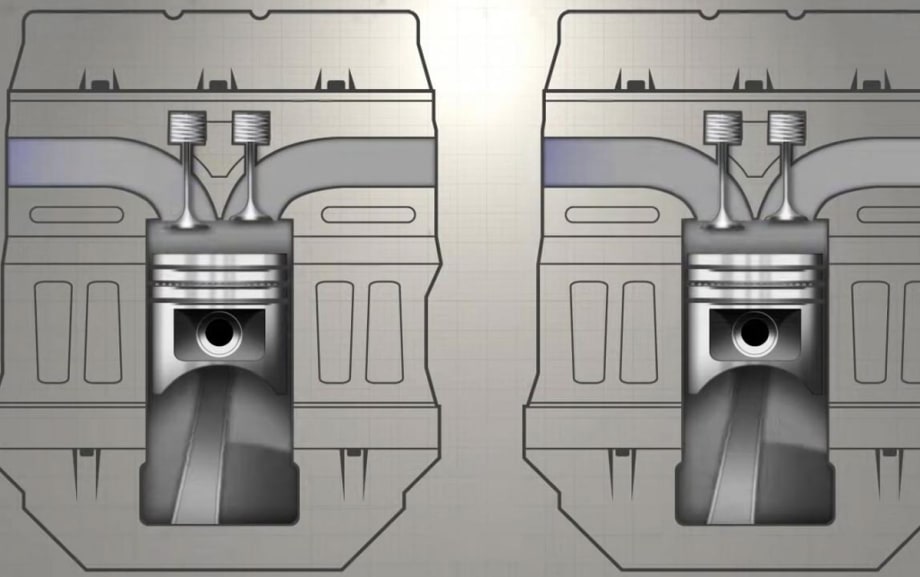
Replacing internal engine brake components, such as springs and seals, can return performance to original levels.
Graphic: Jacobs Vehicle Systems
- During an engine overhaul, it is essential to also address engine brake maintenance.
- Tuning up the engine brake can prevent future mechanical issues and enhance performance.
- Regular maintenance of the engine brake contributes to the overall longevity and efficacy of the engine.
*Summarized by AI
Did you know that when you’re doing an engine overhaul, you also should take the time to tune up the engine brake?
Too often, the fleet or repair shop gets wrapped up in the engine overhaul and does not think about the engine brake. However, according to Kyle Lazzaro, business manager of Jacobs Vehicle Systems, the engine brake is a wearable item.
“Engine brake performance can degrade over time,” Lazzaro says. “Therefore, replacing internal engine brake components, such as springs and seals, can return performance to original levels.”
Failure to tune up the engine brake ultimately is going to affect its performance.
“An engine brake tune-up will improve the overall drivability of the vehicle,” says Dave Pearman, Jacobs service accounts manager.
By increasing the performance of the engine brake, you will extend the life of the service brakes, Lazzaro says.
“The tune-up also could improve the reaction time or turn-on time of the engine brake,” he says.
When you replace the seals for the solenoid or improve some of the linkage within the unit, he explains, it speeds up the engine brake’s turn-on time. The faster the engine brake turns on, the quicker it can begin to slow the engine.
What Does Engine Brake Maintenance Involve?
An engine brake tune-up typically can be completed in two hours. Jacobs recommends it be done very 300,000 to 500,000 miles or when an engine is being overhauled.
These suggested intervals are a guide for routine engine brake inspections and maintenance and are set in conjunction with regularly scheduled engine maintenance.
The engine brake should also be inspected when the first engine valve adjustment occurs.
Of course, as is true with other maintenance service, driving conditions and duty cycle may dictate that maintenance be performed more frequently. This is especially true with engines exposed to severe applications and operating environments.
“Preventive maintenance for an engine brake should be taken just as seriously as any other wearable component on a commercial vehicle,” Pearman says. “Of course, components asked to work harder will need more attention than those asked to function under normal, day-to-day operation.”
The tune-up process includes pulling the housing off the engine, disassembling the pistons, and putting in new springs and control valves. The solenoid often needs to be removed and inspected to make sure it is in good operating condition. If it is, replacing the solenoid seals is recommended. Technicians should thoroughly inspect all the components and replace parts as needed.
Depending on make and model of the engine, Pearman says, more than 20 engine brake components may need to be inspected, adjusted or replaced.
“All tune-up kits have control valves and seals. Most of them have springs, and some have additional parts,” he says. All of the engine OEMs and local repair facilities offer engine brake tune-up kits, which are fully warranted with detailed installation instructions.
Advantages of the kits and routine servicing include targeting and fixing known wear parts, restoring the brakes to their original performance levels, and minimizing additional labor costs in the future.
To increase safety, provide greater speed control and extend brake life, make sure to tune up your vehicle’s engine brake. Failure to tune up the engine brake could impact the unit’s operating efficiency.
This commentary originally appeared in the July 2022 issue of Heavy Duty Trucking.
More Maintenance

Color Match Smarter: Tools That Restore & Perform
For fleet managers and collision repair professionals keeping heavy-duty trucks on the road, getting the color right the first time isn't just about appearance — it's about efficiency, turnaround time, and bottom-line results. Discover how today's digital color tools are transforming the repair process from guesswork to precision.
Read More →
Wrong Repair Prompts Recall of Freightliner, Western Star 4x2 Trucks
DTNA is recalling more than 2,400 trucks that received an incompatible software fix instead of the hardware repair required to address brake valve corrosion.
Read More →
Truck Drivers Need More Than Another Alert
Fleets have more visibility into truck health, safety events, and driver activity than ever. The next challenge is turning all that information into useful guidance for the person who has to decide what to do next.
Read More →
The Maintenance Checks Trucking Fleets Should Prioritize Before Fall Freight Picks Up
Making it through August isn’t the same as being ready for the next several months of operation. Find out what systems may have suffered from summer heat and need to be checked out before fall.
Read More →
What Three Fleets Are Doing Differently When Buying Truck Parts in 2026
With freight improving but costs still climbing, fleet maintenance executives explain how they're balancing price, quality, and supplier relationships.
Read More →
Paccar Recalls 2027 Trucks Built This Summer for Possible Electrical Problem
The nearly 6,000 Kenworth and Peterbilt trucks in the recall could potentially lose engine power, among other things.
Read More →
Will API PC-12 Oil Change Trucking Fleet Maintenance?
The new API PC-12 heavy-duty engine oil category reflects the changing demands of modern diesel engines. But fleets like Foodliner are looking to getting their own data before making decisions on adopting the new oils and questions such as extending oil drain intervals.
Read More →
Brake Safety Week to Focus on Drums and Rotors
Commercial vehicle inspectors are focusing on truck brakes during CVSA's Brake Safety Week, August 23-29.
Read More →Possible Battery-Cable Fires Prompt Recall of 15,000+ International MV and HV Trucks
On the recalled vehicles, manufacturing variations can cause the battery interconnect cable to contact the auxiliary stud and hold down the bracket.
Read More →
Rush, MCT Team Up to Grow Refrigeration Service Network
The joint venture will operate MCT's network of Carrier Transicold dealerships and mobile service locations, with the companies promising greater service capacity and uptime for refrigerated fleets.
Read More →