




Related: Predictive Maintenance - Tell Me Something I Don’t Know
Commentary: Truck Diagnostics Then and Now
Ironically, our trucks are almost as transparent now as our horse-drawn wagons were in the past, finds Executive Contributing Editor Rolf Lockwood.
by Rolf Lockwood
April 12, 2019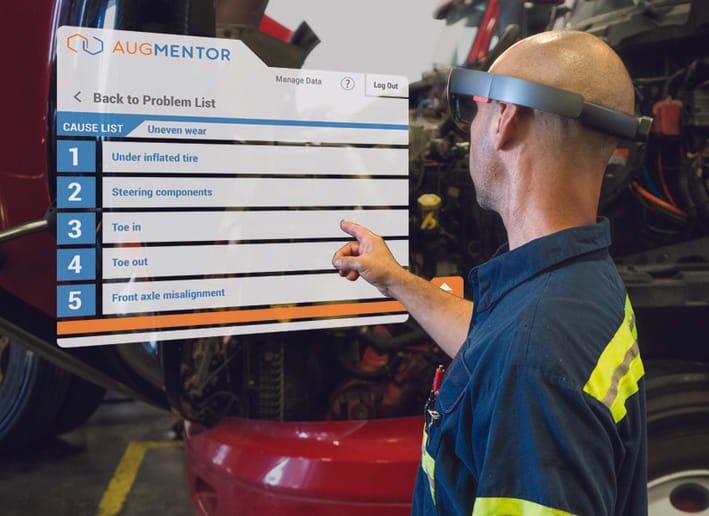
Nothing’s as obvious as it could be in those buggy-wheel and earliest mechanical years, but the diagnostic art has changed radically and become easier than ever.
Photo via Design Interactive
3 min to read
Diagnostics took a while to become a high art, and you could easily argue that it’s no longer a human activity at all. Just look at how much can be accomplished by digital gizmology that can tell you who made a lousy shift in truck #655 two Wednesdays ago just east of Des Moines at 3:19 in the afternoon. If you ask.
Things were different back in horse-and-buggy days, when hauling freight was a simpler mechanical enterprise than it is now. You could see every single part of your trailer, and when something broke, it didn’t take hours of shop time to figure it out. And, best of all, it was never a wiring issue.
Your one-horse “engine” wasn’t really a whole lot different. When the nag pulled up lame, you probably just needed a new shoe. Diagnostics was easy as pie.
Then, for a very long time, it was the era of The Stare. Once engines began to be made mostly of iron instead of equine flesh and bone, and we multiplied their paltry power by means of steel gears, the art of mechanical diagnosis was born. From that point until the advent of the electronic engine, mechanics were often to be found standing 10 feet from the failed truck, staring at the darned thing. Sometimes they huddled in groups, as if ingenuity could be expanded by piling one befuddlement on top of another.
Engine diagnostics began with desperately simple questions such as, is it getting fuel? Or in the case of gas motors, is it getting spark? Now we ask those same questions in very different ways.
Diagnostics really did become an art. For some folks, anyway – the intuitive ones. And the guys who took it to its highest level were elevated to star status.
Truck Whisperers, they were called. Legends.
As things got progressively more complicated, we devised another means of multiplying ingenuity. We began calling mechanics “technicians.” It was a brilliant stroke, the logic being that the moniker made the mechanic more confident and thus better matched him to any problem’s complexity.
When electronically controlled engines rolled onto the scene, often sputtering, some operations went so far as to equip their shops with computers. Never mind that they were usually tired old machines that the front office had butchered for a few years before sending them out back to the poor old maintenance lads.
The technicians out there could finally live up to their names. Except that many of them spent as much time diagnosing computer glitches as they did fooling with engine faults.
We’ve made enormous progress since then.
Today, nothing’s as obvious as it could be in those buggy-wheel and earliest mechanical years, but the diagnostic art has changed radically and become easier than ever. The very concept of complexity gets redefined every day – but so do our tools.
Ironically, our trucks are almost as transparent now as our horse-drawn wagons were. They’re wildly complex machines, but the vast array of data streaming out of them makes the diagnostics task no harder than seeing the bad spoke on a wooden wheel.
In theory. On a good day.
Subscribe to Our Newsletter
More Maintenance

Oil Crisis Squeezes Trucking Lubricant Supplies
Fleets report higher lubricant costs as Middle East disruptions tighten supplies of ingredients used in synthetic engine oils and some driveline lubricants.
Read More →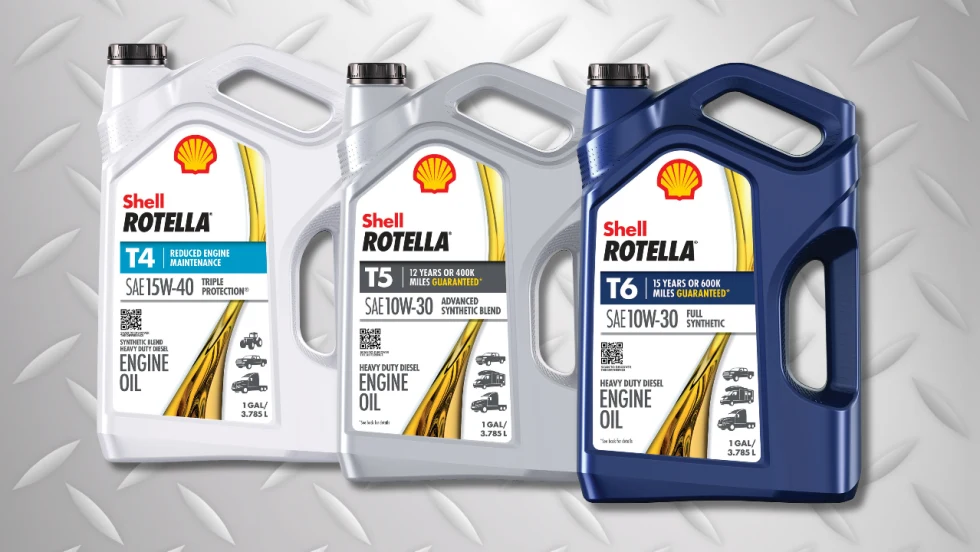
Shell Prepares Rotella Oils for 2027
New CL-4 and FB-4 formulations will begin arriving in early 2027, with improved protection against oil breakdown, wear and deposits, according to Shell.
Read More →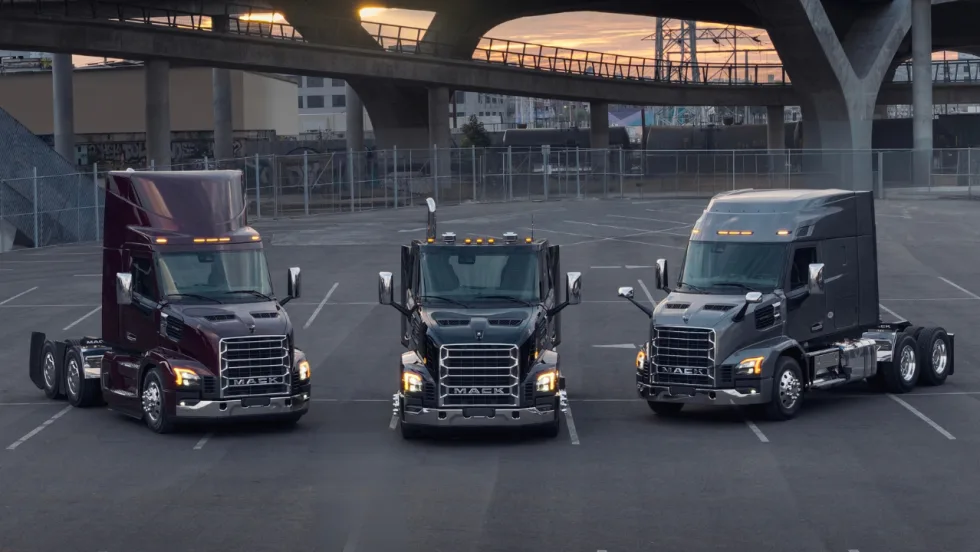
Mack Expands Extended Coverage With Four Chassis System Plans
Mack Trucks' new system-specific coverage options allow heavy-duty fleets to select protection for driveline, cab, HVAC, electronics, and advanced safety components.
Read More →
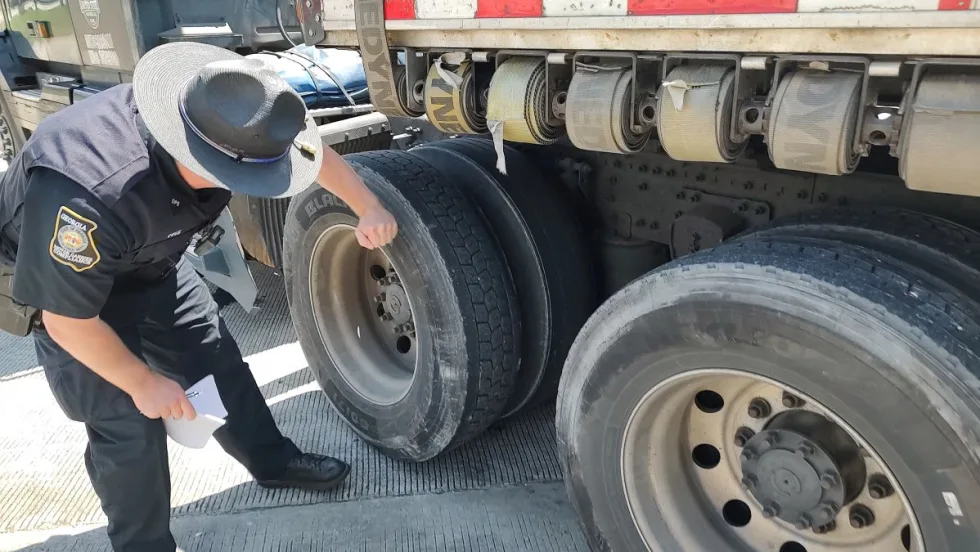
What an Out-of-Service Order Really Costs, and How to Plan for One
The repair invoice is the first number you see — and often one of the smallest. Here’s what else an out-of-service order can cost a fleet, and how planning can reduce the damage.
Read More →
International Launches Online Truck Parts Store
Fleetrite.com lets fleets and repair shops find OEM and all-makes parts, check prices and availability, and order without calling a parts counter.
Read More →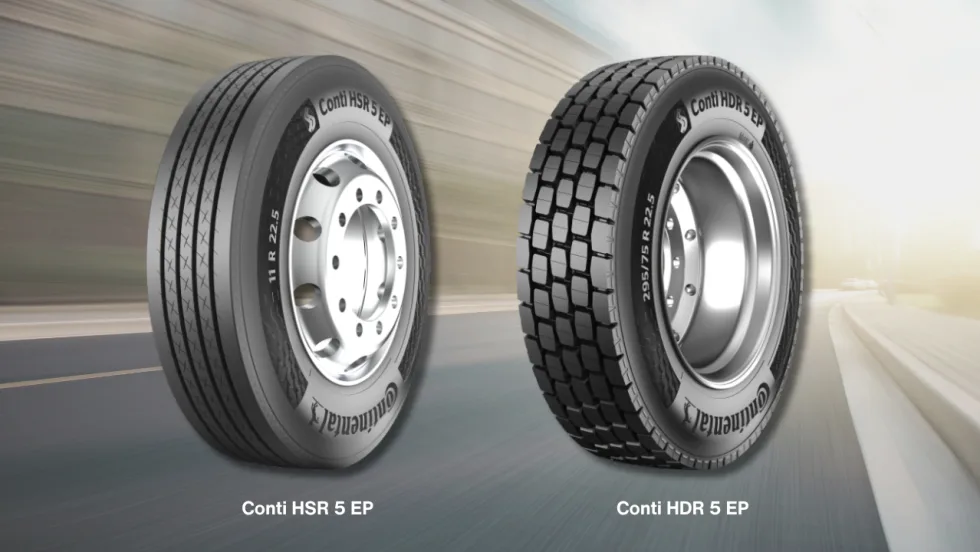
Continental Introduces New Regional Truck Tires
Continental says its new Generation 5 steer and drive tires for regional operations offer longer tread life, with estimated mileage gains of 22% and 19%, respectively.
Read More →
Sponsored•October 1, 2026
How AI Can Help Your Techs’ Efficiency
The technician shortage isn't going away, and no single fix can close the gap on its own. Trent Broberg makes the case that AI's real job in the shop is protecting the billable hours and job satisfaction of the techs you already have, not asking them to work faster.
Read More →
Color Match Smarter: Tools That Restore & Perform
For fleet managers and collision repair professionals keeping heavy-duty trucks on the road, getting the color right the first time isn't just about appearance — it's about efficiency, turnaround time, and bottom-line results. Discover how today's digital color tools are transforming the repair process from guesswork to precision.
Read More →
Wrong Repair Prompts Recall of Freightliner, Western Star 4x2 Trucks
DTNA is recalling more than 2,400 trucks that received an incompatible software fix instead of the hardware repair required to address brake valve corrosion.
Read More →
Truck Drivers Need More Than Another Alert
Fleets have more visibility into truck health, safety events, and driver activity than ever. The next challenge is turning all that information into useful guidance for the person who has to decide what to do next.
Read More →