




Commentary: Basic Rules Can Ensure Repair Costs Are Contained
No matter where your outsourced maintenance is performed, it’s important to follow some basic rules when obtaining estimates, authorizing repairs, and before issuing payment on any invoice.

No matter where your outsourced maintenance is performed, it’s important to follow some basic rules when obtaining estimates, authorizing repairs, and before issuing payment on any invoice.

Denise Rondini
“It’s fairly common for labor to run about 60% of the invoice, while parts and accessorial fees make up the other 40%,” explains Bruce Stockton, longtime fleet maintenance manager and now advising fleets as principle of Stockton Solutions. He suggests fleet managers scrutinize every repair invoice to see if percentages fall into that range.
He also cautions fleets not to focus solely on labor rates, but rather to look at the hours it takes for a repair to be completed. Insist that all bills spell out in detail how many hours were spent on each repair. “Understand what’s reasonable and customary.” Stockton also recommends that standard repair times be applied to make sure the number of hours being charged is fair.
Stockton also suggests letting your service provider acquire parts and allow them a reasonable markup — but also make sure they keep their labor rate and hours in check. “This also requires the supplier to manage any cores and the charges associated with them.”
Another area to keep a close eye on is accessorial fees. This includes things such as shop supplies, environmental fees, hazardous waste fees, fuel/oil grease charges, etc. Stockton says it’s been a common practice for suppliers to calculate shop supplies as a percentage of the total labor on the invoice. “A reasonable and acceptable shop supply percentage is 5% of total labor.” When it comes to shop supplies, make sure a fee is not added for things like a visual trailer inspection. Ask service providers for proof they are being charged for hazardous or environmental disposal before agreeing to pay those fees.
Stockton offers this list of recommendations to help fleets understand what they are paying for and to help them choose a reputable service provider partner.
Develop a process for reviewing in detail each and every invoice before it’s paid. “By dissecting each invoice, you will quickly realize whether or not you are paying too much and who your top-notch providers are,” Stockton says.
Set guidelines for maximum allowable shop supplies. “Allow no more than 5% of total labor and certainly never more than $250 per invoice/work order,” he says.
Make sure you receive core charges offsetting credits and tire casing credits when appropriate.
Never pay for diagnostic fees. Computer connections, software and downloads are the common tools technicians use everyday to determine the cause of the complaint and the correction needed, Stockton explains. “If you are forced to pay diagnostic fees, don’t double pay by allowing hourly charges for the technician’s time while doing the diagnostic work.”
Review any freight charges. Require the supplier to show proof of actual freight costs for parts shipments.
Shop or bay fees should always be disallowed, as should machine fees.
Explore automated systems and software. They can compare data and determine what is reasonable and customary.
Tap into the existing expertise in your own shops and maintenance departments. The most qualified individuals for critiquing shop charges are already working for you. Let them review invoices or offer suggestions prior to negotiating with a potential outside service provider.
The goal with any outside service provider is for them to be your ally, not your enemy, Stockton says.
Related: How Fleets Are Looking to Outsource Maintenance and Repairs
More Maintenance

Color Match Smarter: Tools That Restore & Perform
For fleet managers and collision repair professionals keeping heavy-duty trucks on the road, getting the color right the first time isn't just about appearance — it's about efficiency, turnaround time, and bottom-line results. Discover how today's digital color tools are transforming the repair process from guesswork to precision.
Read More →
Wrong Repair Prompts Recall of Freightliner, Western Star 4x2 Trucks
DTNA is recalling more than 2,400 trucks that received an incompatible software fix instead of the hardware repair required to address brake valve corrosion.
Read More →
Truck Drivers Need More Than Another Alert
Fleets have more visibility into truck health, safety events, and driver activity than ever. The next challenge is turning all that information into useful guidance for the person who has to decide what to do next.
Read More →
The Maintenance Checks Trucking Fleets Should Prioritize Before Fall Freight Picks Up
Making it through August isn’t the same as being ready for the next several months of operation. Find out what systems may have suffered from summer heat and need to be checked out before fall.
Read More →
What Three Fleets Are Doing Differently When Buying Truck Parts in 2026
With freight improving but costs still climbing, fleet maintenance executives explain how they're balancing price, quality, and supplier relationships.
Read More →
Paccar Recalls 2027 Trucks Built This Summer for Possible Electrical Problem
The nearly 6,000 Kenworth and Peterbilt trucks in the recall could potentially lose engine power, among other things.
Read More →
Will API PC-12 Oil Change Trucking Fleet Maintenance?
The new API PC-12 heavy-duty engine oil category reflects the changing demands of modern diesel engines. But fleets like Foodliner are looking to getting their own data before making decisions on adopting the new oils and questions such as extending oil drain intervals.
Read More →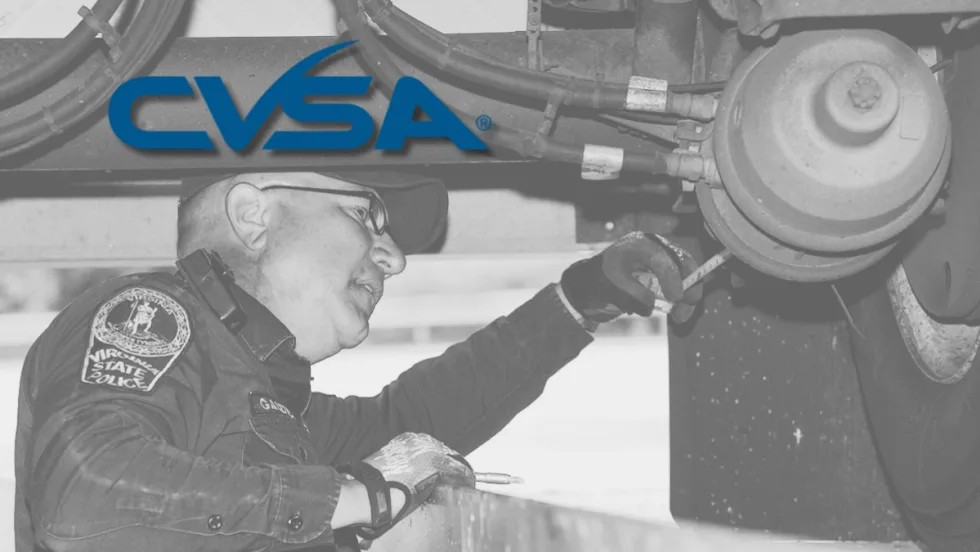
Brake Safety Week to Focus on Drums and Rotors
Commercial vehicle inspectors are focusing on truck brakes during CVSA's Brake Safety Week, August 23-29.
Read More →Possible Battery-Cable Fires Prompt Recall of 15,000+ International MV and HV Trucks
On the recalled vehicles, manufacturing variations can cause the battery interconnect cable to contact the auxiliary stud and hold down the bracket.
Read More →
Rush, MCT Team Up to Grow Refrigeration Service Network
The joint venture will operate MCT's network of Carrier Transicold dealerships and mobile service locations, with the companies promising greater service capacity and uptime for refrigerated fleets.
Read More →