




Cab Maintenance Concerns
Normal service for a big truck virtually guarantees that it will feel and show the effects of age long before you're ready to deal it. That means even the cab of the truck is going to require a little maintenanc

Normal service for a big truck virtually guarantees that it will feel and show the effects of age long before you're ready to deal it. That means even the cab of the truck is going to require a little maintenance
from time to time. It could be something as simple as tightening a few screws on a dash panel to silence a rattle or a squeak and keep a driver happy. It might mean replacing a banged-up cab entry step that could pose a risk for a slip or fall. OSHA stats suggest many sprained ankles and minor leg, foot, and back injuries result from cab falls. It's not worth ignoring the little stuff. It will come back to haunt you if you do.
Besides, what driver wants to be seen in a beat-up, rusty old bucket of bolts these days? If for no other reason than to keep the recruiting and retention department off your back, it's worth keeping the cab in top shape. Just ask any used truck dealer.
Each make and model of cab will, in time, reveal its own maintenance idiosyncrasies, and you'll hear about them from the drivers. These issues should be integrated into the PM schedules to ensure the small problems don't develop into larger ones. If you outsource some or all of your maintenance, it's worth bringing these issues to the vendor's attention.
Electrical & Lighting
When you start the truck to bring it into the shop, check the instrument cluster warning lamps for proper function - especially the ABS warning light (see ABS sidebar). Then, observe the low air pressure warning lights and buzzers for proper function, as well as the other active gauges, like air and oil pressure, coolant temp, tach, speedo, and boost gauge.
Check all the lights for function as well as proper spec and location on the vehicle. Drivers have been known to mess around with exterior lighting for appearance sake. There are DOT minimums and maximums for the number of lighting devices. The standards also include prescribed colors and brightness.
Check the turn signals one side at a time, and don't overlook the license tag light on the rear of the frame, or the reverse lamps.
Inside, a host of challenges may await you and your techs. Rubbing, chaffing, and constant vibration can take its toll on wire insulation, even within a harness. Diligently check any contact points with the chassis or other components for potential rub-throughs. An exposed wire is a dead wire in waiting, and possibly a mission-critical short-circuit. Be particularly vigilant of high-amperage battery and starter connections, and check that the connectors are properly sealed from moisture.
Watch for pinch points and spots where wire could become hung up on moving parts like the clutch lever and linkage, the hood, etc.
Drivers and outside vendors may not conduct repairs according standard TMC protocols, so cast a wary eye inside the dashboard regularly for improper or unauthorized modifications to the wiring. Watch particularly for splices and joins used to power auxiliary equipment such as radios, etc. Be mindful of the circuit loads posed by add-ons, even if the repair or splice was done properly.
Poor-quality and improperly installed power inverters have burned more than their share of trucks to the ground. These devices are frequently found to be installed by drivers or untrained personnel. Even a two- or three-way 12-volt power point device can cause an overload. Stress to your drivers the importance of using the plugs properly, and if possible, install them for the drivers following TMC RP 431 guidelines. The less you leave to fate and chance, the better.
Drivers and outside vendors may not conduct repairs according to standard TMC protocols, so cast a weary eye inside the dashboard regularly for improper or unauthorized modifications to the wiring.
Structural Integrity
The cab is a shell that is constructed as much to protect drivers as to contain them. Make sure there are no defects or damage that would compromise the integrity of the cab and no leaks or holes that might allow exhaust fumes to enter. A careful perusal of the exhaust system and the fuel tank mounts would be in order, too.
Doors get a lot of use, particularly the driver's door, and even more so in a P&D operation. Check the latches, hinges, strikers, and mounts to ensure they're firm and tight, and give the hinges and latch a squirt of lube while you're at it.
Mirrors can be a major source of aggravation for drivers. Depending on the make and model, mirrors are sometimes knocked by opening doors, or bent and twisted in a minor impact. If the mirror isn't aligned properly, visibility is compromised. Loose mounts and mirrors that vibrate at idle - such as when backing - rob drivers of a clear view of the world beside and behind them.
Cab egress hardware is also an important item, as damaged steps or grab rails have been found to blame in many slip and fall incidents. There are usually worker's comp issues involved here, as well. Beware, too, of dangerously mounted "boot brushes," which can be a trip hazard.
Check the function and alignment of the hood and the latches, and be sure nothing rubs against the underside of the hood when it's closed.
Don't overlook minor issues such as missing reflectors, license plate holders, hood latches, etc. They usually won't sideline the truck, but they can create problems with enforcement during inspections.
And finally, a word on winterfronts. All those under-hood heat issues that arose post-EPA 2002/2004 are mostly behind us, but blocking air flow under the hood in warm weather isn't a good idea.
On the other hand, the '07-model engines need to run warm to maintain exhaust temps to minimize active regen intervals. The winterfront would come in handy running lightly loaded across North Dakota in January, but it would be a liability in south Florida.
Make sure the winterfront is designed for your hood and engine combination, and it has a round opening that sits directly in front of the fan hub. This allows for balanced air flow through the radiator and the fan.
You'd probably find a winterfront rolled up under the bunk somewhere, so it wouldn't hurt to remind drivers when they should and when they shouldn't be used.
Cab maintenance is mostly a complaint-driven exercise, but it can't hurt to stay ahead of that curve. Planned maintenance is always a better option than reactive repairs, especially at roadside.
From the February 2009 issue of Heavy Duty Trucking.
More Maintenance

Rush, MCT Team Up to Grow Refrigeration Service Network
The joint venture will operate MCT's network of Carrier Transicold dealerships and mobile service locations, with the companies promising greater service capacity and uptime for refrigerated fleets.
Read More →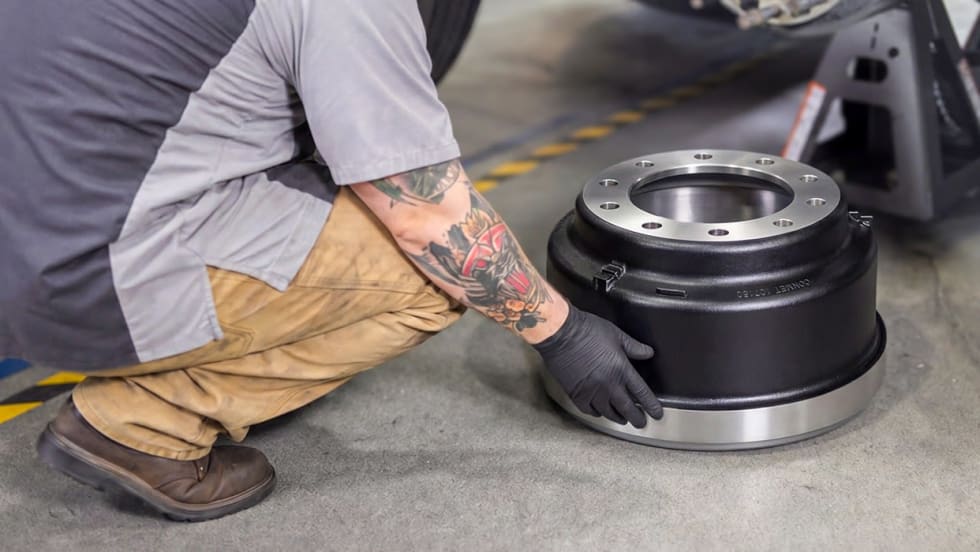
ConMet Expands Aftermarket Brake Drum Lineup With TruCast
A new heavy-duty truck brake drum option in the aftermarket gives customers more flexibility within the ConMet product family.
Read More →
Mack Expands Premium Service Contract Coverage to Medium-Duty MD
With a service contract, inspections, preventive maintenance and repairs can be handled in a single visit instead of multiple ones.
Read More →
Maintenance in the Messy Middle Part 5: Battery-Electric Trucks
No oil changes. No diesel exhaust fluid. No exhaust aftertreatment. But NACFE battery-electric trucks still require specialized maintenance procedures.
Read More →
Trucking Fleets Faced Record Operating Costs During Third Year of Freight Recession
ATRI's annual operational cost report shows carriers trimmed fleets, delayed equipment purchases, and ran older trucks as expenses continued to outpace freight rates.
Read More →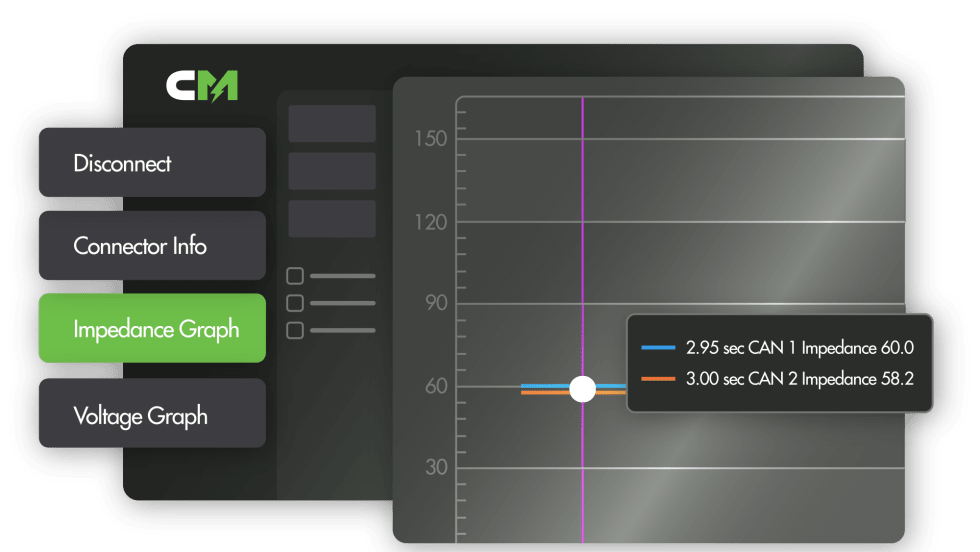
Noregon Launches CAN Mentor to Simplify Vehicle Network Diagnostics
New Noregon software helps technicians identify CAN network issues without requiring advanced diagnostic equipment or specialized training.
Read More →
Maintenance in the Messy Middle Part 4: Renewable Natural Gas
The keys to running renewable natural gas as a fleet fuel depend on specialized technician training, rigorous inspection schedules and an understanding of high-pressure fuel systems.
Read More →
Mack Adds 'Lock & Leave' Feature to Simplify Over-the-Air Software Updates
Mack’s new OTA enhancement allows drivers to start eligible software updates, lock the truck and walk away.
Read More →
Maintenance in the Messy Middle Part 3: Biodiesel
Biodiesel can reduce emissions, improve fuel-system lubricity and use existing diesel infrastructure. But NACFE’s Messy Middle maintenance report says fleets must actively manage storage, cold-weather operation, filters and oil drain intervals to avoid problems.
Read More →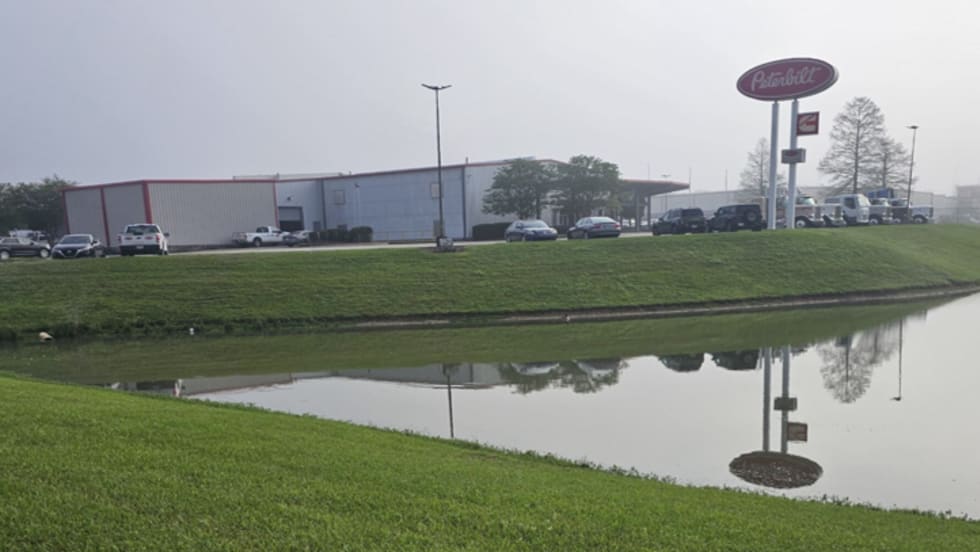
Rush Expands Gulf Coast Peterbilt Network With Louisiana Acquisition
The expanded Rush network gives fleets additional sales, service, leasing and collision repair support across Louisiana's major trucking markets.
Read More →