




Bendix: Strong Friction, Protective Coating Help Combat Rust Jacking in Brakes
As winter winds down across North America, Bendix Spicer Foundation Brake reminds fleets and drivers readying for springtime brake maintenance to fight rust jacking on two fronts.
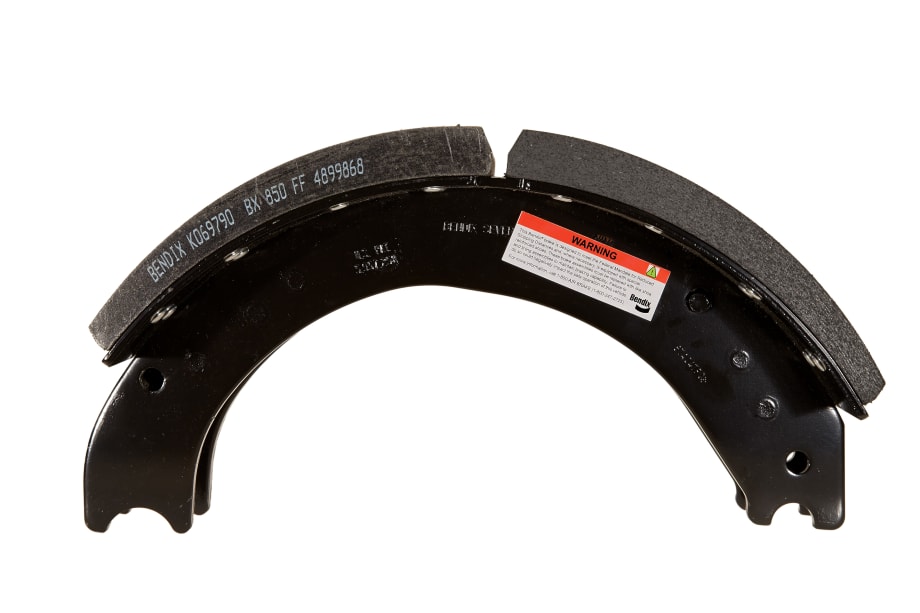
Choosing high-quality friction materials can help combat rust jacking, according to Bendix.
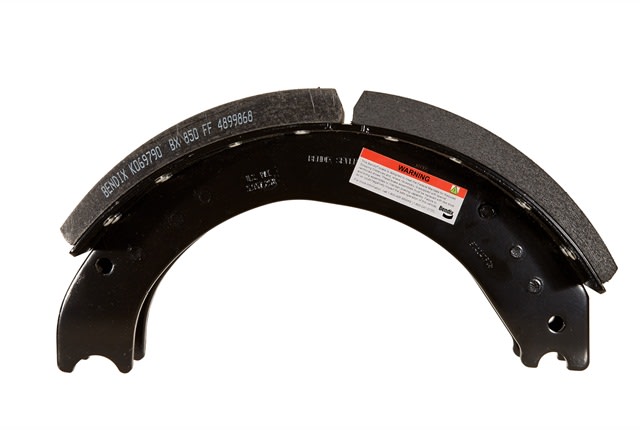
Choosing high-quality friction materials can help combat rust jacking, according to Bendix.
As winter winds down across North America, Bendix Spicer Foundation Brake reminds fleets and drivers readying for springtime brake maintenance to fight rust jacking on two fronts. When choosing brake shoes, both a protective coating and strong friction material are needed to effectively combat this seasonally heightened risk of brake shoe corrosion and lining failure.
Although rust jacking can occur year-round, the combination of wet roads, temperature swings, and de-icing materials, such as salt or chemical compounds, makes winter conditions ideal for corrosion to take hold on a brake shoe. As rust builds up on the steel beneath the lining, it exerts upward pressure on the friction material, eventually causing cracks and breakage.
According to Gary Ganaway, director of marketing and global customer solutions at Bendix Spicer Foundation Brake, rust jacking is not caused by the quality of the brake shoe coating alone. Although the brake shoe coating is extremely important, the right friction is also part of the rust jacking equation, and that’s often overlooked.
“Lower-cost friction materials tend to be manufactured with shorter fibers and have a lower flexural strength, making them more prone to delamination or becoming deformed under rust jacking pressure,” Ganaway says.
Maintaining good brake lining condition is crucial to both highway safety and regulatory compliance: Cracked or warped linings may not offer the stopping power necessary to comply with federal Reduced Stopping Distance regulations, and brake lining inspections are a key factor in Compliance, Safety, Accountability (CSA) scoring as well.
“The negative impacts of rust jacking are many, starting with time and expense,” Ganaway continued. “And since rust jacking affects two key brake components, it only makes sense to ensure that both of them offer a way to resist it.”
He notes that Bendix E-Coat2 electro-deposition paint process is featured on all OE shoes and reman shoes equipped with OE friction. In addition, a new enamel coating is featured on reman brake shoes with both the Bendix Basic and Bendix Advanced friction lines.
More Maintenance

Color Match Smarter: Tools That Restore & Perform
For fleet managers and collision repair professionals keeping heavy-duty trucks on the road, getting the color right the first time isn't just about appearance — it's about efficiency, turnaround time, and bottom-line results. Discover how today's digital color tools are transforming the repair process from guesswork to precision.
Read More →
Wrong Repair Prompts Recall of Freightliner, Western Star 4x2 Trucks
DTNA is recalling more than 2,400 trucks that received an incompatible software fix instead of the hardware repair required to address brake valve corrosion.
Read More →
Truck Drivers Need More Than Another Alert
Fleets have more visibility into truck health, safety events, and driver activity than ever. The next challenge is turning all that information into useful guidance for the person who has to decide what to do next.
Read More →
The Maintenance Checks Trucking Fleets Should Prioritize Before Fall Freight Picks Up
Making it through August isn’t the same as being ready for the next several months of operation. Find out what systems may have suffered from summer heat and need to be checked out before fall.
Read More →
What Three Fleets Are Doing Differently When Buying Truck Parts in 2026
With freight improving but costs still climbing, fleet maintenance executives explain how they're balancing price, quality, and supplier relationships.
Read More →
Paccar Recalls 2027 Trucks Built This Summer for Possible Electrical Problem
The nearly 6,000 Kenworth and Peterbilt trucks in the recall could potentially lose engine power, among other things.
Read More →
Will API PC-12 Oil Change Trucking Fleet Maintenance?
The new API PC-12 heavy-duty engine oil category reflects the changing demands of modern diesel engines. But fleets like Foodliner are looking to getting their own data before making decisions on adopting the new oils and questions such as extending oil drain intervals.
Read More →
Brake Safety Week to Focus on Drums and Rotors
Commercial vehicle inspectors are focusing on truck brakes during CVSA's Brake Safety Week, August 23-29.
Read More →Possible Battery-Cable Fires Prompt Recall of 15,000+ International MV and HV Trucks
On the recalled vehicles, manufacturing variations can cause the battery interconnect cable to contact the auxiliary stud and hold down the bracket.
Read More →
Rush, MCT Team Up to Grow Refrigeration Service Network
The joint venture will operate MCT's network of Carrier Transicold dealerships and mobile service locations, with the companies promising greater service capacity and uptime for refrigerated fleets.
Read More →