




8 Ways to Make Sure Your Diesel Fuel and More are Ready for Winter
Weather forecasters are predicting not only one of the coldest, but the snowiest winters in the last five years. Here are a few simple tips to help maintain your equipment and fuel tanks
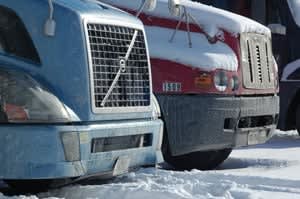
Weather forecasters are predicting not only one of the coldest, but the snowiest winters in the last five years. Here are a few simple tips to help maintain your equipment and fuel tanks.
Be sure you have adequately treated the bulk fuel tanks for the temperatures you will be dealing with. Think in terms of where the coldest point the truck will run to and treat accordingly.
Block heaters are not designed to warm an engine. They are designed to maintain the heat already generated in the engine. Thus it is crucial that the truck be plugged in while the engine is still warm.
Remind the drivers to UNPLUG the truck before starting it. Two to three seconds of the engine running while the block heaters are plugged in is enough to burn out the block heaters.
Do not idle the trucks. You will do more to COOL the engine by idling a truck coming off the road vs. shutting it off. (Engine temperature rises approx. 18 degrees when it is shut off.) Conversely, starting a cold truck and letting it idle is futile. If you need to warm a truck thats been sitting, get in it and drive it around the yard and exercise the truck once it has reached maximum oil-pressure. This will warm the engine, transmission, differential and suspension. Not to mention prevent running the risk of potential fines for idling for both the driver and the organization.
Remember to drain air-tanks and fuel water separators. As the ambient air temperatures fall, the ability for water to condense in fuel tanks increases and can be carried into the filter/heater unit. During periods of extreme cold this should be done on a daily basis. The fuel filters are the only protection the engine has against contaminants in the fuel. A larger micron fuel filter should never be used to extend filter life or increase flow. It may void the warranty and can be damaging to the pump and/or the injectors.
Be sure air hoses are hooked up to each other or to the dummy gladhands when the equipment is not in use. This is one of the leading causes of brakes freezing up.
If moisture is present in an air line, use one cap full of brake line anti-freeze in the EMERGENCY (red) side ONLY. Never put it in the blue side or you may cause the brakes to lock up. Use only company supplied brake line anti-freeze, as there are many products out there that will cause damage to the internal brake system.
Be sure gladhands hook up tight. If they go on loose they will come off in a tight turn and will cause unnecessary cycling of the air compressor. Make sure you have a nice and snug fit.
These few tips can make the difference between go or no go situation, making that delivery commitment, or completing a run vs. a breakdown. Breakdowns during inclement weather are extremely dangerous. There are many great tips for proper fleet fuel system management in cold weather but best tip is to increase driver awareness and subsequently hold them accountable for action or inaction.
When fueling on the road, check at truckstops to make sure pump filters have been changed. Look for hydrosorb filters; these will remove water from the fuel before it gets in your tanks and forms ice or gelling.
Ask the supplier if they are using a bio-blended fuel and if it has been treated. Also ask if the diesel fuel has been tested for CFPP. Bio-blended fuels are harder to treat in the winter and will not perform like a ULSD.
Glen Sokolis heads up Sokolis Group, which offers fuel purchasing, management and consulting services. www.sokolisgroup.com.
More Maintenance

Color Match Smarter: Tools That Restore & Perform
For fleet managers and collision repair professionals keeping heavy-duty trucks on the road, getting the color right the first time isn't just about appearance — it's about efficiency, turnaround time, and bottom-line results. Discover how today's digital color tools are transforming the repair process from guesswork to precision.
Read More →
Wrong Repair Prompts Recall of Freightliner, Western Star 4x2 Trucks
DTNA is recalling more than 2,400 trucks that received an incompatible software fix instead of the hardware repair required to address brake valve corrosion.
Read More →
Truck Drivers Need More Than Another Alert
Fleets have more visibility into truck health, safety events, and driver activity than ever. The next challenge is turning all that information into useful guidance for the person who has to decide what to do next.
Read More →
The Maintenance Checks Trucking Fleets Should Prioritize Before Fall Freight Picks Up
Making it through August isn’t the same as being ready for the next several months of operation. Find out what systems may have suffered from summer heat and need to be checked out before fall.
Read More →
What Three Fleets Are Doing Differently When Buying Truck Parts in 2026
With freight improving but costs still climbing, fleet maintenance executives explain how they're balancing price, quality, and supplier relationships.
Read More →
Paccar Recalls 2027 Trucks Built This Summer for Possible Electrical Problem
The nearly 6,000 Kenworth and Peterbilt trucks in the recall could potentially lose engine power, among other things.
Read More →
Will API PC-12 Oil Change Trucking Fleet Maintenance?
The new API PC-12 heavy-duty engine oil category reflects the changing demands of modern diesel engines. But fleets like Foodliner are looking to getting their own data before making decisions on adopting the new oils and questions such as extending oil drain intervals.
Read More →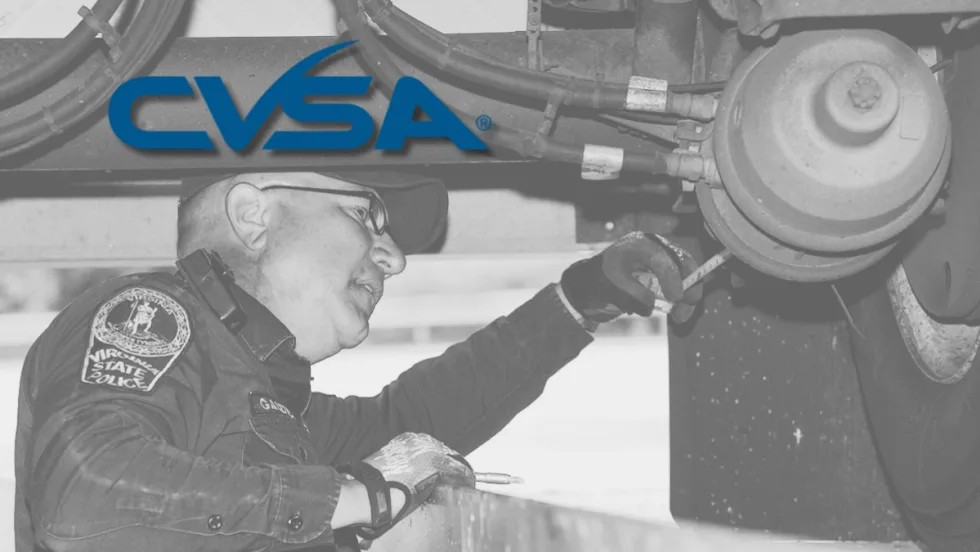
Brake Safety Week to Focus on Drums and Rotors
Commercial vehicle inspectors are focusing on truck brakes during CVSA's Brake Safety Week, August 23-29.
Read More →Possible Battery-Cable Fires Prompt Recall of 15,000+ International MV and HV Trucks
On the recalled vehicles, manufacturing variations can cause the battery interconnect cable to contact the auxiliary stud and hold down the bracket.
Read More →
Rush, MCT Team Up to Grow Refrigeration Service Network
The joint venture will operate MCT's network of Carrier Transicold dealerships and mobile service locations, with the companies promising greater service capacity and uptime for refrigerated fleets.
Read More →