




The National Transportation Safety Board adopted a final report Tuesday of a runaway truck accident in Pennsylvania that has shown the consequences of improper maintenance on automatic slack adjusters for air brake systems.
The board issued 11 safety recommendations aimed at improving training for drivers and mechanics that work with air brakes.
On April 11, 2003, in the Borough of Glen Rock, Pa., a dump truck was traveling southbound on a steep downgrade, when the driver found that he was unable to stop the truck.
The truck struck four passenger cars, one of which struck three children who were on the sidewalk. As a result of the collision, a driver and an 11-year-old child from one of the passenger cars were killed. The remaining vehicle occupants and several pedestrians were seriously hurt.
The NTSB determined that the probable cause of the accident was the lack of oversight by the truck's owner, which resulted in an untrained driver improperly operating an overloaded, air brake-equipped vehicle with inadequately maintained brakes. Contributing to the accident was the misdiagnosis of the truck's underlying brake problems by mechanics involved with the truck's maintenance. Also contributing was a lack of readily available and accurate information about automatic slack adjusters and inadequate warnings about safety problems caused by manually adjusting them.
NTSB Acting Chairman Mark V. Rosenker said, "We believe that more than 500,000 vehicles equipped with air brakes may be operated by drivers who, like the Glen Rock driver, have no air brake training and therefore may not be able to operate their vehicles safely. This situation needs to change, and change quickly."
The 21-year-old driver had been working for the trucking company for less than two weeks and had never driven an air brake-equipped. Also, he received no training on how to drive an air brake-equipped vehicle. This is important because air brakes on trucks operate differently from hydraulic brakes on passenger cars. In addition, the rear brakes on the accident truck were out of adjustment.
Post-accident toxicological testing indicated that the driver had likely used cocaine and heroin in the two days preceding the accident but the board could not determine if he was impaired at the time of the crash. In any case, the board said, even if unimpaired by drugs or fatigue, he likely could not have stopped the truck before the accident occurred because of the driver's lack of specific training and the condition of the brakes.
The board found that mechanics who worked on this truck and the driver who worked on a truck involved in a similar accident that occurred in California in 2003 did not look for underlying problems with the slack adjusters or other brake components; consequently, they misdiagnosed the brake problems, probably because they were not properly educated on the function and care of automatic slack adjusters and how they relate to foundation brake systems. "The warnings in existing materials available to owners, drivers, mechanics and inspectors of air-braked vehicles equipped with automatic slack adjusters have not been successful in communicating the inherent dangers of manually adjusting automatic slack adjusters to correct out-of-adjustment brakes," the board said.
The 11 safety recommendations all address training or regulations concerning air brake-equipped vehicles, and were sent to the Federal Motor Carrier Safety Administration, the state governments, the Commercial Vehicle Safety Alliance, automatic slack adjuster manufacturers, manufacturers of vehicles equipped with air brakes, the National Institute for Automotive Service Excellence and several publishers of study guides.
A summary of Tuesday's report may be found on the board's website, www.ntsb.gov, under Publications, Highway. The full report will appear there in several weeks.
NTSB Issues 11 Air Brake Safety Recommendations
The National Transportation Safety Board adopted a final report Tuesday of a runaway truck accident in Pennsylvania that has shown the consequences of improper maintenance on automatic slack adjusters for air brake systems.
More Drivers
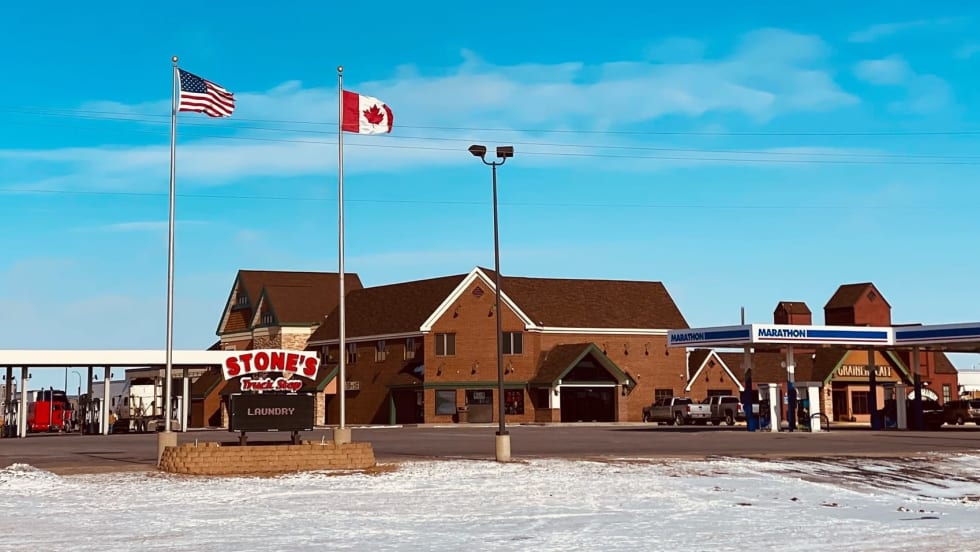
Trucker Path Names Top Truck Stops for 2026
Truck driver ratings reveal the best chain and independent truck stops in the country.
Read More →
Stop Watching Footage, Start Driving Results
6 intelligent dashcam tactics to improve safety and boost ROI
Read More →
What FMCSA’s New Enforcement Push Means for Fleets in 2026 [Podcast]
Listen as transportation attorney and TruckSafe Consulting President Brandon Wiseman joins the HDT Talks Trucking podcast to unpack the “regulatory turbulence” of last year and what it means for trucking fleets in 2026.
Read More →How Pilot Is Using AI in Truck Maintenance
A practical look at how artificial intelligence is helping Pilot's trucking fleet move from reactive maintenance to a more proactive approach.
Read More →
3 New Ways Fleet Software Pays: ROI opportunities for modern fleet managers
Safety, uptime, and insurance costs directly impact profitability. This eBook looks at how fleet software is evolving to deliver real ROI through proactive maintenance, AI-powered video telematics, and real-time driver coaching. Learn how fleets are reducing crashes, defending claims, and using integrated data to make smarter operational decisions.
Read More →
Basic Tracking vs Next Generation Fleet Technology
Fleet software is getting more sophisticated and effective than ever, tying big data models together to transform maintenance, safety, and the value of your existing tech stack. Fleet technology upgrades are undoubtedly an investment, but updated technology can offer a much higher return. Read how upgrading your fleet technology can increase the return on your investment.
Read More →
Streetline Expands Smart Truck Parking System on West Coast
Streetline is expanding smart truck parking tools, including a new I-5 deployment in Washington and a no-upfront-cost pilot model for state DOTs.
Read More →
Third 'Jason's Law' Truck Parking Survey Under Way
The Federal Highway Administration is asking motor carriers and truck drivers to give input on where and when drivers have difficulty finding truck parking, and on how drivers prefer to get information on available parking.
Read More →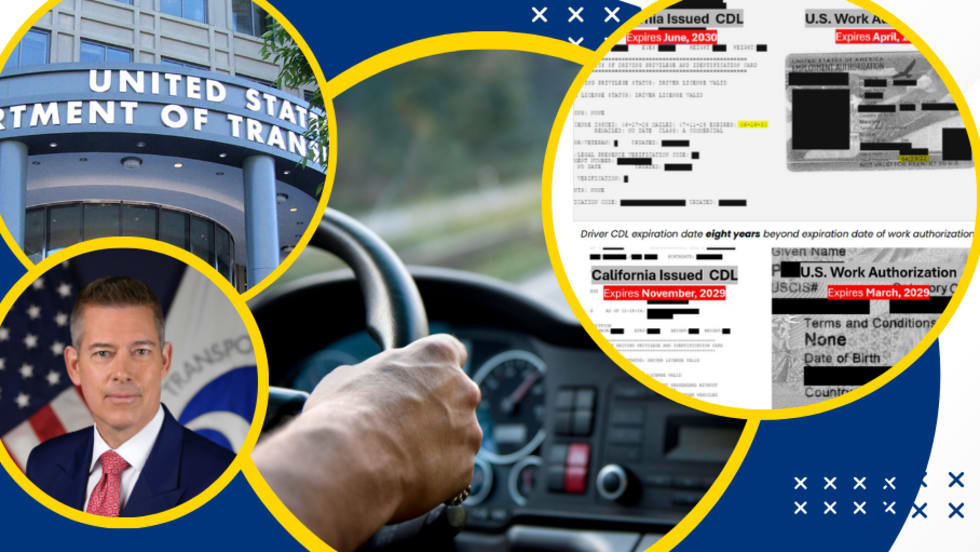
FMCSA Continues Focus on State Issuance of Non-Domiciled CDLs
The Federal Motor Carrier Safety Administration continues a crackdown on an increasing number of states it says have been issuing non-domiciled CDLs improperly.
Read More →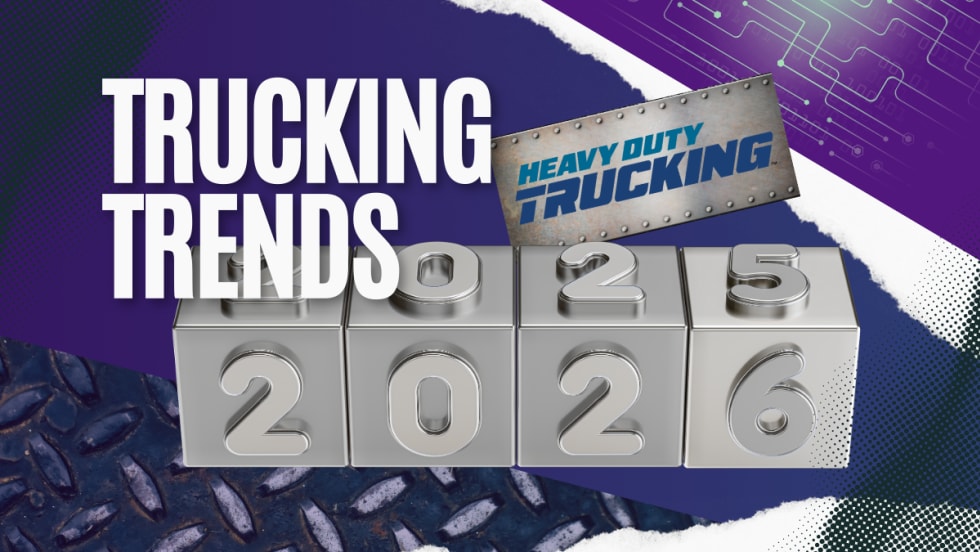
Will FMCSA’s Driver-Oriented Enforcement Initiatives Affect Capacity?
The Department of Transportation and the Federal Motor Carrier Safety Administration took several actions in 2025 to tighten enforcement of regulations for commercial drivers. Will those affect trucking capacity in 2026?
Read More →