




Charging Truck Batteries in Cold Weather
One of the biggest misconceptions about truck batteries is that they charge the same throughout the year. The colder it is outside, the less charge the battery pack wants to accept.


Charging vehicle batteries in cold weather is totally different in the winter. (Photo by Jim Park)
One of the biggest misconceptions about truck batteries is that they charge the same throughout the year. They simply don't! The colder it is outside, the harder it is to charge those batteries.
In warm weather (above 40 degrees), batteries are very easy to recharge.
They can normally take as much charge that the vehicle charging system can provide. Even deeply discharged battery packs can be completely recharged in a few hours if the only issue is a discharged battery not defective batteries..
However, the colder it is outside, the less charge the battery pack wants to accept. When it is very cold, the electrolyte in a flooded cell battery becomes like jelly and the molecular action in the battery slows down. The battery is similar to a tube of toothpaste -- difficult to get out and almost impossible to put back in.
The operator may become fooled by the way the vehicle responds in cold weather. The voltmeter on the dash displays a correct charging range and the lights are bright so it is assumed that the batteries are charging as normal.
What is really happening is that the vehicle's alternator is at the correct voltage and is powering the vehicle loads, but because the batteries are cold, the charge acceptance of the batteries is very low, sometimes as low as 2 amps per hour. Driving times of up to 40 hours can be required to charge deeply discharged cold batteries.
While AGM batteries have up to 40% better recharge capacity across all temperature ranges they will still require more time in cold weather to recharge than driving laws allow.
Things to Remember About Truck Batteries in Cold Weather Operation:
Discharged batteries can freeze in cold weather.
Never try to jump-start a vehicle that has frozen batteries.
Cold batteries will not accept a normal charge until the batteries reach an ideal temperature or extensive charging time is available.
Cold batteries can take up to 30 hours to warm back up to room temperature.
While jump-starts can get the vehicle started, many hours of charging may be required to recharge the battery pack. It might be a more prudent path to change batteries as normal vehicle operation cannot recharge the battery pack adequately during a normal workday.
(Information courtesy Purkeys Fleet Electric, www.purkeysfleetelectric.com.)
More Maintenance

Daimler, Paccar Recall Trucks Over Driveline Defect
Nearly 4,900 Freightliner, Western Star, and Kenworth trucks are being recalled because a missing snap ring could allow the driveline to separate from the truck.
Read More →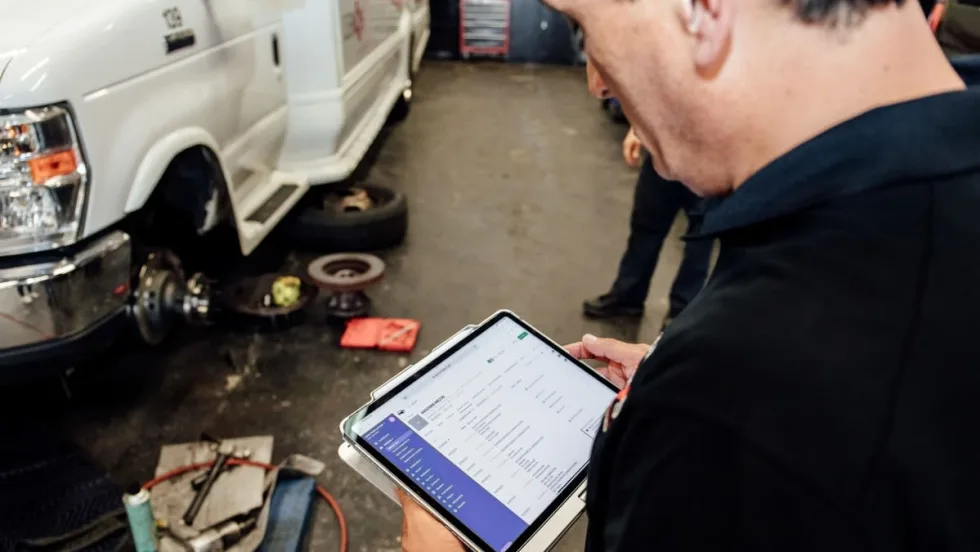
What to Look for in Fleet Maintenance Software
Choosing the right maintenance technology starts with identifying the problems you need to solve. Here's what trucking fleets should look for — and what to ask potential providers.
Read More →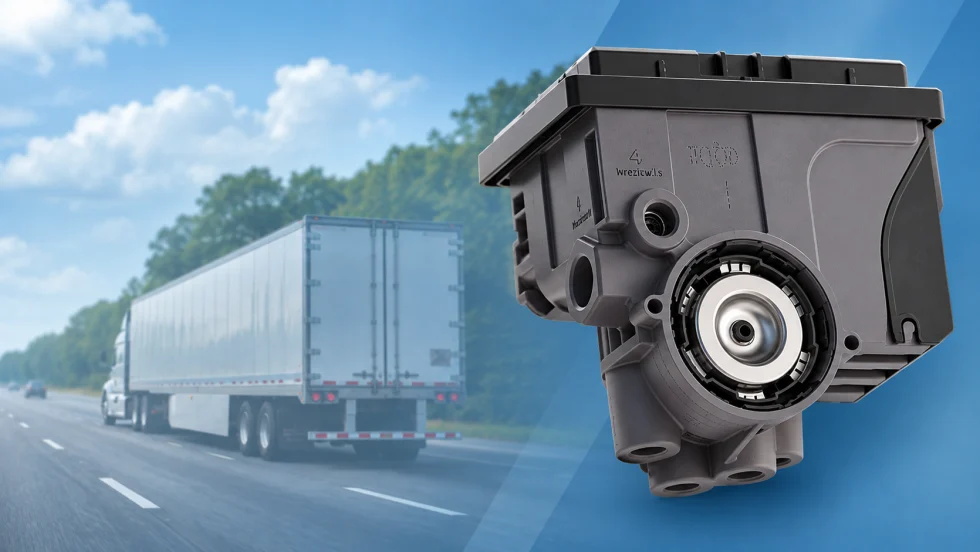
Bendix Upgrades Trailer ABS With Smarter Diagnostics
The new iTABS X system replaces Bendix's TABS-6 Standard trailer ABS, adding faster diagnostics and connectivity that could help fleets identify brake-system problems before they lead to downtime.
Read More →


CVSA Sets 2027 International Roadcheck Dates
The annual 72-hour truck inspection blitz will take place May 11–13 across North America. Here's what fleets can expect and what inspectors found during the 2026 event.
Read More →
What Trucking Events are Happening in 2027?
Looking for trucking-related conventions, expos, and other events? Heavy Duty Trucking has developed this list of national and larger regional trucking shows and events.
Read More →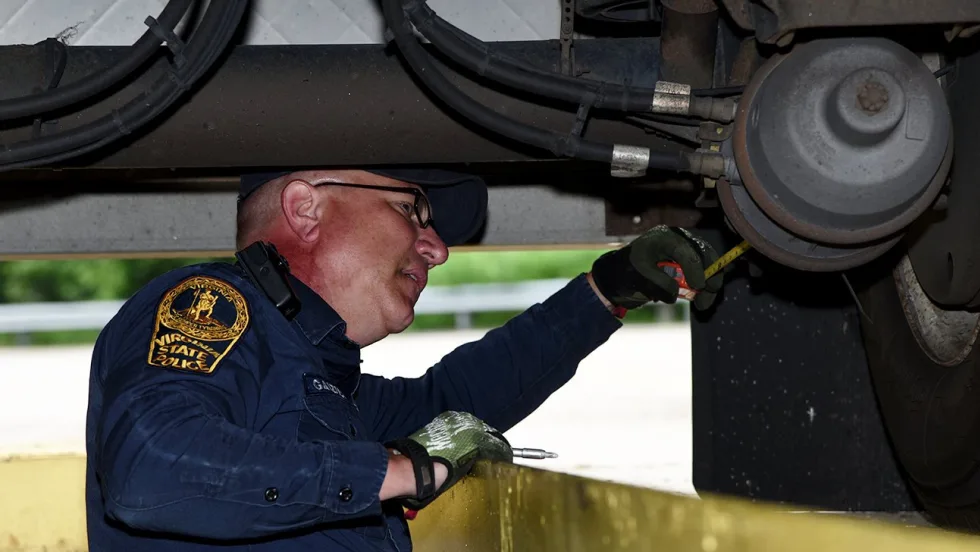
Brake Problems Sideline 15% of Inspected Trucks
During CVSA's 2026 Brake Safety Week, inspectors placed nearly 2,400 commercial vehicles out of service for brake violations, including problems with defective brakes, hoses, drums and rotors.
Read More →
Unlocking the performance advantages of PC-12
2027 will mark the arrival of a new generation of heavy-duty engine oils. PC-12 reflects how far engine design has advanced and the demands that progress places on heavy-duty lubricants. Here’s what the transition means to your fleet.
Read More →
6 Tips for Troubleshooting Cold-Weather Truck Problem: Don't Guess, Diagnose it
Cold weather can expose hidden truck problems. Discover six practical troubleshooting tips to pinpoint the cause, avoid unnecessary repairs and keep trucks on the road.
Read More →
How GP Transco Builds Fuel Savings a Fraction at a Time
Aerodynamic specs, solar panels, and driver incentives help GP Transco turn small efficiency gains into savings it can reinvest in its people.
Read More →
Oil Crisis Squeezes Trucking Lubricant Supplies
Fleets report higher lubricant costs as Middle East disruptions tighten supplies of ingredients used in synthetic engine oils and some driveline lubricants.
Read More →