





The Internal Revenue Service is casting its eyes on the growing glider-kitting business and seems set to begin collecting the 12% federal excise tax that most of the vehicles have been exempt from.
FET Exemption for Glider-Kitted Trucks Might End, IRS Indicates
Exemption from the 12% FET is a major benefit of buying gliders instead of new trucks, but new IRS thinking would take away that break.
February 5, 2014
2 min to read
The National Truck Equipment Association and the National Trailer Dealers Association have each issued an alert to members, warning those in the glider business that they might soon have to begin collecting the FET from customers. The alerts stem from a recent IRS letter saying that its previous guidance should no longer be followed.
The old guidance included a “75% rule” whereby an FET-exempt glider kit cannot be priced more than 75% of the selling price of a comparable all-new truck. That rule will no longer be used, IRS said, because the “article” that’s assembled and sold is more new than used.
Most glider kits contain new frames, cabs, hoods, and steer axles and are assembled with used, rebuilt or remanufactured engines, transmissions, and drive axles. In recent years, gliders have “evolved” from being rebuilt wrecks, based on existing vehicles, to trucks and tractors sold in place of brand-new vehicles, an NTEA source said.
Those active in glider kitting have adhered to the spirit of the rebuilt wreck rules by supplying vehicle identification numbers from “donor” trucks that customers can use in registering them. Enforcement of this principle has varied among the states, sources have previously said.
NTEA and NTDA say the IRS’s new guidance includes four “scenarios” to illustrate when the FET might or might not be applied. The association’s specialists are digesting the IRS communication and will include it in an upcoming FET Guide, due out in March.
Exemption from the FET is a major benefit of buying gliders instead of new trucks, though other advantages, including the use of less costly “pre-emission” diesels, remain.
Watch Truckinginfo.com for further clarification from the associations and comment from companies active in glider assembly and sales.
Related stories:
Dual-Fuel Gliders: A Way to Get Into Natural Gas for Less Money
Return of the Glider (2013)
More Fleet Management

Fleet Managers Invited to Apply for Exclusive HDT Exchange Event
HDTX is an intimate event that connects heavy-duty trucking fleet managers with industry suppliers through small-group discussions, educational sessions, and structured one-on-one meetings.
Read More →
DAT Launches iPhone Widget to Help Owner-Operators Find Loads Faster
New DAT One feature shows top-paying loads directly on an iPhone’s home screen, helping carriers react faster to spot-market opportunities.
Read More →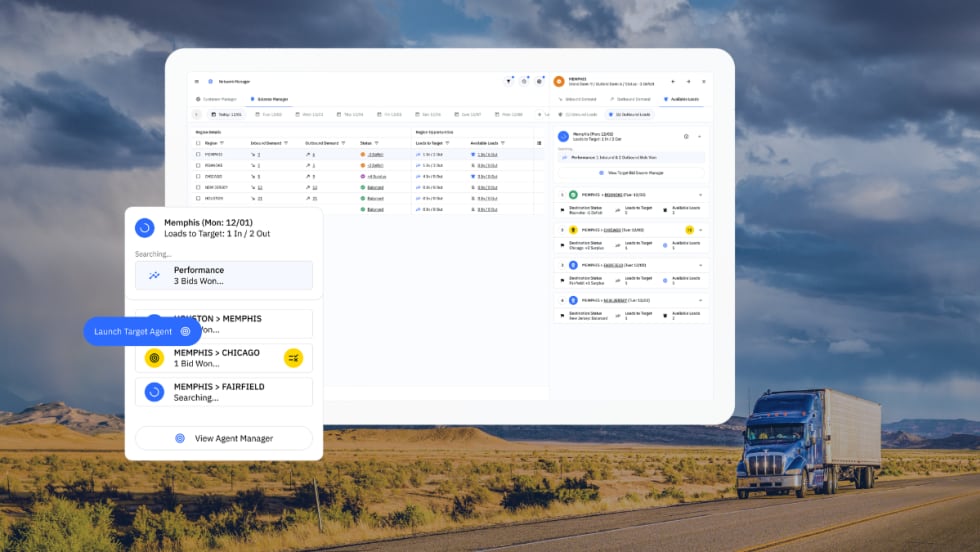
Optimal Dynamics Launches AI System to Help Carriers Choose Better Freight
Optimal Dynamics says its new Scale platform uses AI agents and optimization to help carriers find and secure freight that improves network balance and profitability.
Read More →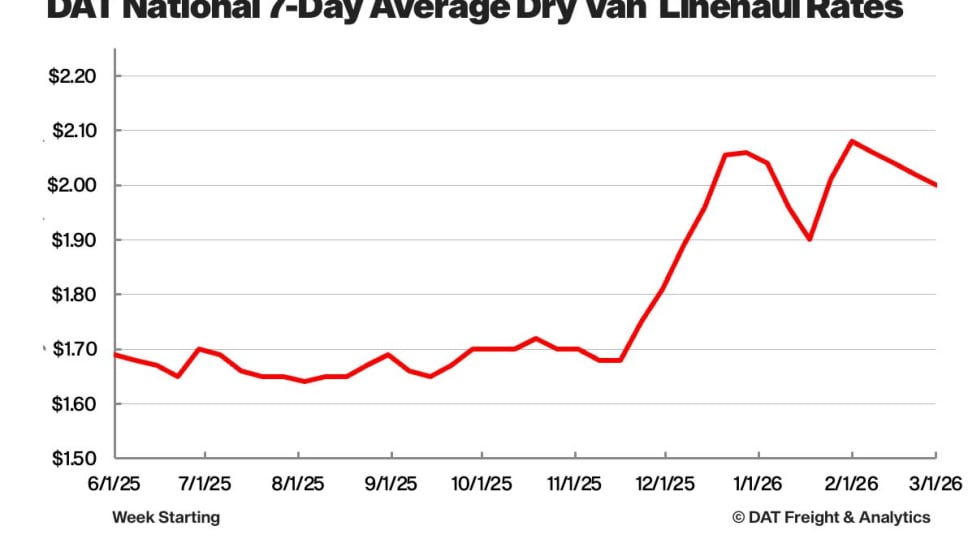
DAT: Flatbed Demand Climbs as Van and Reefer Rates Soften
DAT Freight & Analytics data shows tightening flatbed capacity, easing produce markets, and softening van and reefer rates.
Read More →
Run on Less “Messy Middle” Data Shows Multiple Paths Forward for Truck Powertrains [Watch]
NACFE's Run on Less - Messy Middle project demonstrates the power of data in helping to guide the future of alternative fuels and powertrains for heavy-duty trucks.
Read More →
Federal Court Lets NYC Congestion Pricing Continue
A federal court ruling allows New York City’s congestion pricing program to continue, leaving truck tolls in place for fleets delivering into Manhattan.
Read More →Federal Court Lets NYC Congestion Pricing Continue
A federal court ruling allows New York City’s congestion pricing program to continue, leaving truck tolls in place for fleets delivering into Manhattan.
Read More →
Fontaine Modification Launches Real-Time Truck Modification Tracking Portal
Fontaine Modification has introduced a new customer portal designed to give fleets real-time visibility into the truck modification process, addressing one of the most common questions fleet managers face: “Where’s my truck?”
Read More →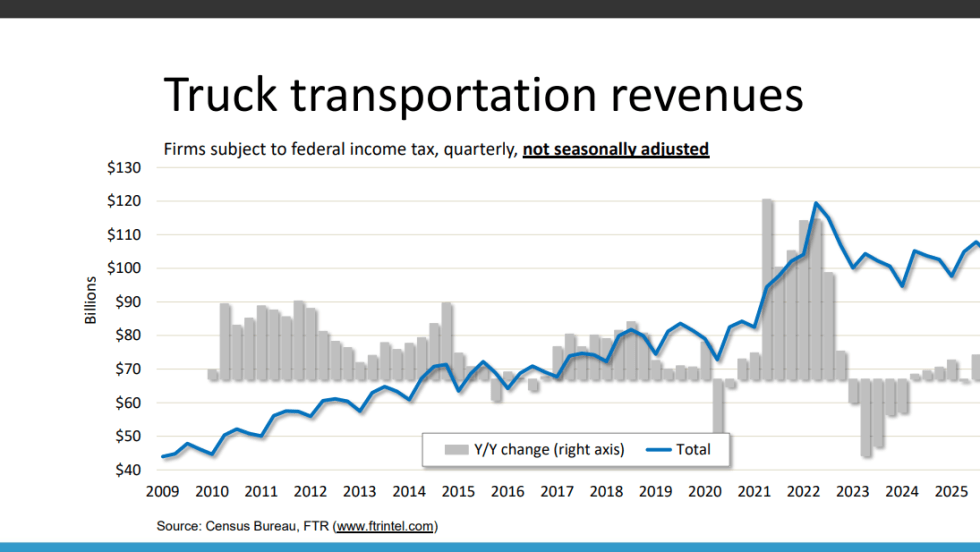
FTR: Trucking Conditions Index Climbs to Highest Level Since 2022
Strong freight rates, rising volumes and tighter capacity push trucking conditions higher, though diesel prices could temper gains in the near term, FTR cautions.
Read More →
Smarter Maintenance Strategies to Keep Trucks Rolling
In today’s cost-conscious market, fleets are finding new ways to get more value from every truck on the road. See how smarter maintenance strategies can boost uptime, control costs and drive stronger long-term returns.
Read More →