Administration Urges Quick Action on Highway Funding
The Obama administration continues to send urgent signals that the Highway Trust Fund is in trouble. In remarks Monday to the American Trucking Associations Executive Committee, Peter Rogoff, acting under secretary at the Transportation Department, said the fund probably will run into the red before the program ends Oct. 1.
Oliver Patton・Former Washington Editor
January 27, 2014
Peter Rogoff
2 min to read
Peter Rogoff
The Obama administration continues to send urgent signals that the Highway Trust Fund is in trouble.
In remarks Monday to the American Trucking Associations Executive Committee, Peter Rogoff, acting under secretary at the Transportation Department, said the fund probably will run into the red before the program ends Oct. 1.
Ad Loading...
“That means that as a department we will be required to slow down our spending in order to maintain a positive balance, potentially in the heart of the construction season,” Rogoff said.
The risk to highway investment lends urgency to the ongoing congressional debate over funding and reauthorization of the current two-year highway program.
Ad Loading...
“We think it’s absolutely critical that we get on with the business of a discussion of shoring up the finances of the trust fund now,” Rogoff said.
The urgency arises in part from the expected draining of the fund, but more from the impact that this event has on state departments of transportation, he said.
“We need to be mindful of the fact that state transportation commissioners, governors and mayors need to start making investment decisions well in advance of August.”
Without a positive signal from Washington, they will start to hold back on investment decisions, he said.
Rogoff commended ATA for leadership on the funding issue. The association supports a fuel tax increase to replenish the fund. The administration does not favor a tax increase but is recommending a one-time infusion of funds garnered from corporate tax reforms.
The trucking industry has no shortage of cybersecurity reports and cargo crime statistics. What it lacks is timely, operational intelligence that fleets can actually use.
ATRI’s latest research points to litigation, social inflation, and soaring claims costs as key drivers behind record-high liability premiums for trucking fleets. But there are things motor carriers can do.
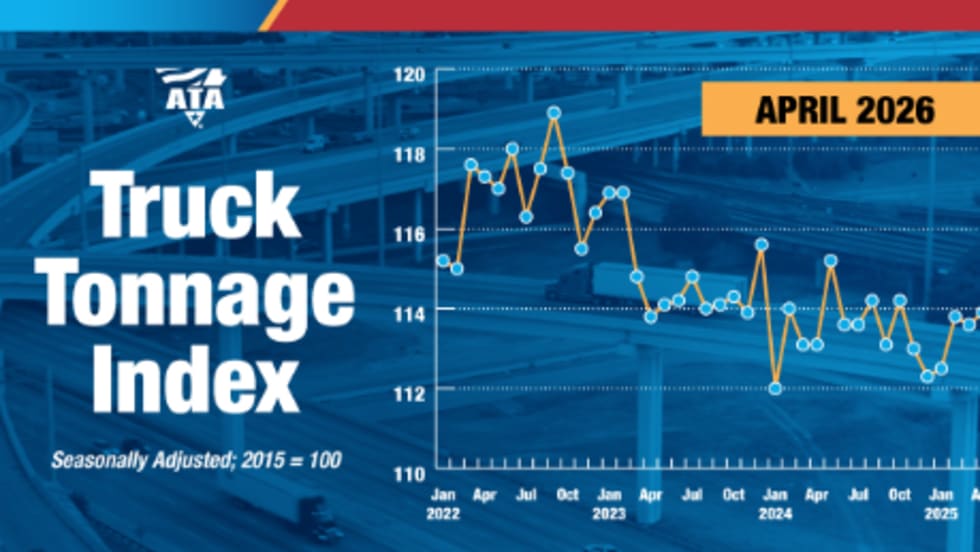
ATA’s For-Hire Truck Tonnage Index was unchanged in April after a strong March gain, with freight volumes remaining at their highest levels since late 2022.
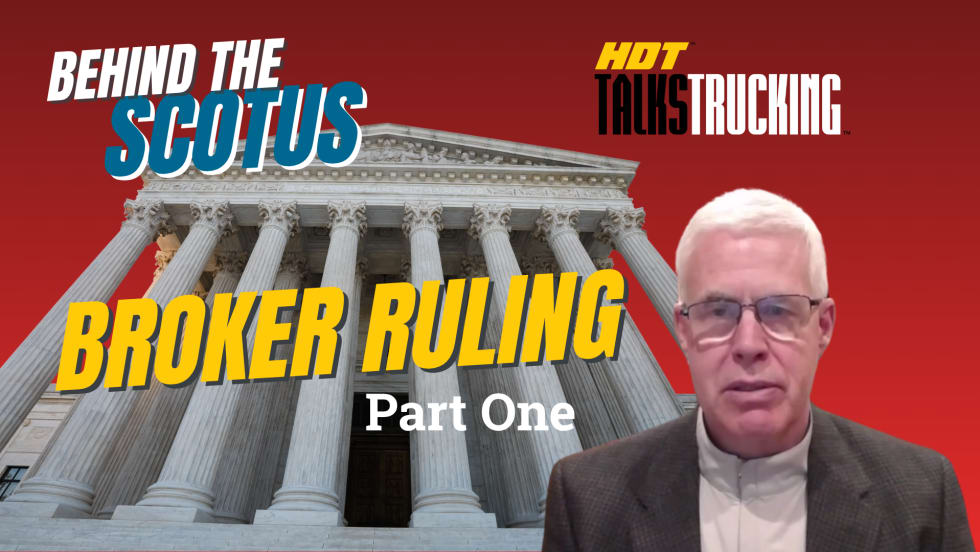
Transportation attorney Greg Feary breaks down the recent Supreme Court decision that brokers can be held liable for damages in truck accidents and what it means for the trucking industry going forward.
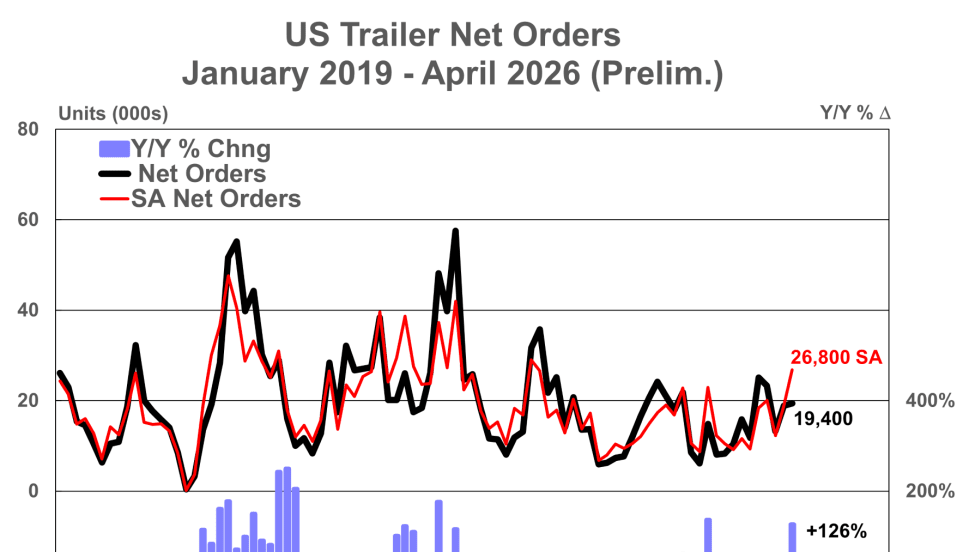
Preliminary net trailer orders rose 3% from March and jumped 126% year over year, signaling stronger-than-expected demand despite typical seasonal softness.
The unanimous SCOTUS ruling in the closely watched Montgomery v. Caribe case allows state negligence claims against freight brokers that hire unsafe motor carriers, raising new liability and vetting concerns among brokers.