




A Bigger Driver Pool Through Immigration Reform?
An immigration reform bill in Congress could ease the truck driver shortage by giving undocumented immigrants a path to legal status and, potentially, the ability to obtain a Commercial Driver’s License.



An immigration reform bill in Congress could ease the truck driver shortage by giving undocumented immigrants a path to legal status and, potentially, the ability to obtain a Commercial Driver’s License.
President Obama is making immigration reform a major goal for his second term. In the wake of the 2012 presidential election, many Republicans are saying the time has come to reconsider their party’s hardline stance.
The bill, introduced by the bipartisan “Gang of Eight” senators, will make major changes in the immigration system, including creating a way for the 11 million illegal immigrants now in the country to come out from the shadows and work legally.
The bill also would reform the visa system to accommodate more workers in the category that may include truck drivers.
These changes would be tied to toughened border security to keep out illegals, including a $3 billion program for beefed-up surveillance and patrolling.
Not an easy process
The process of moving from the undocumented shadow-land to legal status will not be easy.
The bill would create a Registered Provisional Immigrant Status, under which a person could work for any employer.
To win that status, the person would have to pay a $500 penalty and assessed taxes, as well as application fees. Anyone convicted of a felony or three or more misdemeanors, or who has voted illegally, would not be eligible. The provisional status would last for six years, renewable upon payment of another $500 penalty.
After 10 years in provisional status, a person could apply for Lawful Permanent Resident Status through the Green Card application method, which requires payment of all taxes, regular work and the ability to speak English.
The visa reform would create a new category for lower-skilled workers, possibly including truck drivers, who will work for registered employers.
The decision about how many such W-Visa workers could be admitted in any given year would be made by a new independent agency in the Department of Homeland Security. The number would be capped at 20,000 in 2015 and range up to 75,000 by 2019. After that, the agency would make a determination year by year.
Employers would have to apply to participate in this program. They also would be required to phase in the E-Verify system, which includes biometric identification of non-citizens.
It is too soon to know how this bill will fare in Congress. It has many supporters but will face stiff opposition from those who consider any path to citizenship an “amnesty” program.
ATA paying close attention
American Trucking Associations is paying close attention. The program could significantly increase the number of potential truck drivers, although they would have to meet Federal Motor Carrier Safety Administration requirements for a CDL.
Driver demographics are changing and truck fleets are asking where they’ll find the next group of qualified drivers, says Dave Osiecki, senior vice president of policy and regulatory affairs.
“ATA is watching the development of immigration reform with a view toward the impact it might have on the driver shortage,” he said. “It’s one of a number of solutions, including the veterans programs.”
Osiecki anticipates that the issue will be discussed at the ATA leadership meeting in May.
More Fleet Management
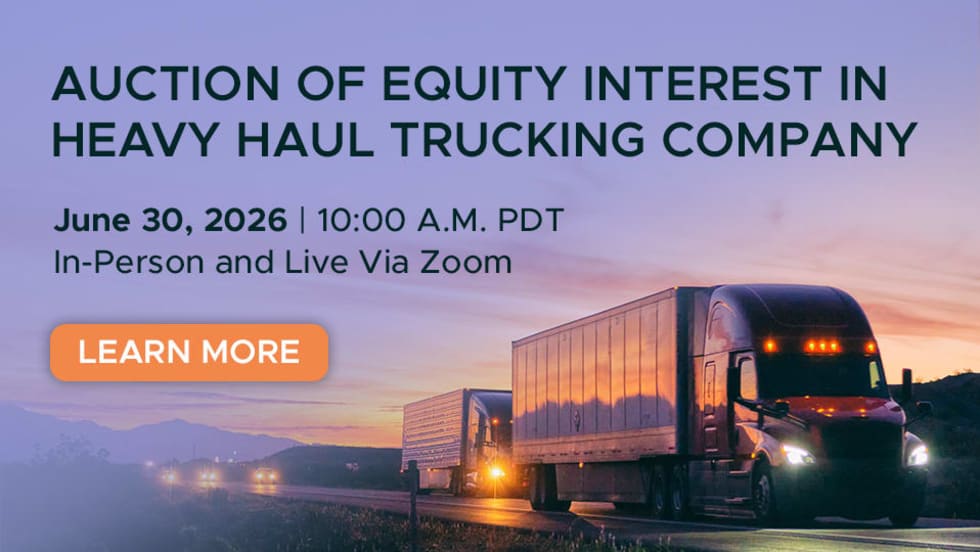
AUCTION OF EQUITY INTEREST IN HEAVY HAUL TRUCKING COMPANY!!
Mark your calendar: June 30, 2026 (10:00 a.m. PDT). MagnaTrans, LLC, a California limited liability company doing business as Magna Transportation Group is going to auction! Bid on a 37.5% ownership interest in this Rancho Cucamonga-based heavy haul and over-dimensional trucking company operating across California, Oregon, and Arizona. The equity interest will be sold to the highest bidder or bidders under Article 9 of the Uniform Commercial Code at 10:00 a.m. PDT.
Read More →
Volvo Trucks Adds Unattended Over-the-Air Software Update Capabilities
The latest evolution of Volvo’s over-the-air update technology allows software updates to run while trucks are parked, helping fleets keep vehicles current without disrupting operations.
Read More →
How Waste Connections is Using Data, Telematics, and AI
How do you manage and maintain more than 18,000 connected trucks? Data. Lots of it.
Read More →
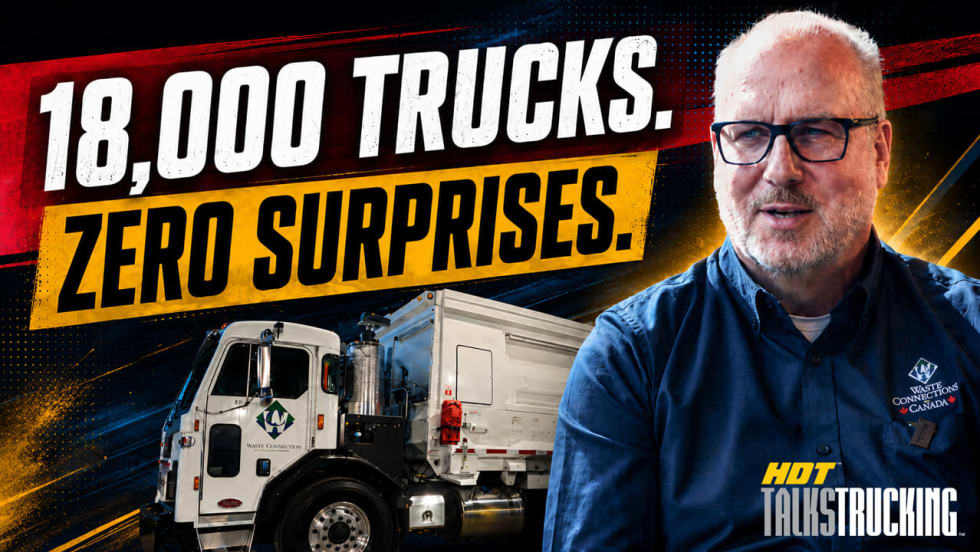
Why Fleet Data Matters More Than Ever at Waste Connections [Watch]
Waste Connections' Chuck Palmer explains how telematics, predictive maintenance, safety analytics, and AI help keep vehicles on the road and drivers safe in this episode of HDT Talks Trucking.
Read More →
NMFTA Launches Free, Anonymous Cybersecurity Threat Report Portal
Organizations are encouraged to anonymously report freight fraud, cargo crime, and cyber threats while gaining visibility into incidents reported across the transportation sector.
Read More →
AI Can Optimize a Fleet. Can It Replace Human Judgment?
Fleets fear falling behind if they don’t adopt AI quickly enough. They also fear what happens if the technology makes the wrong decision.
Read More →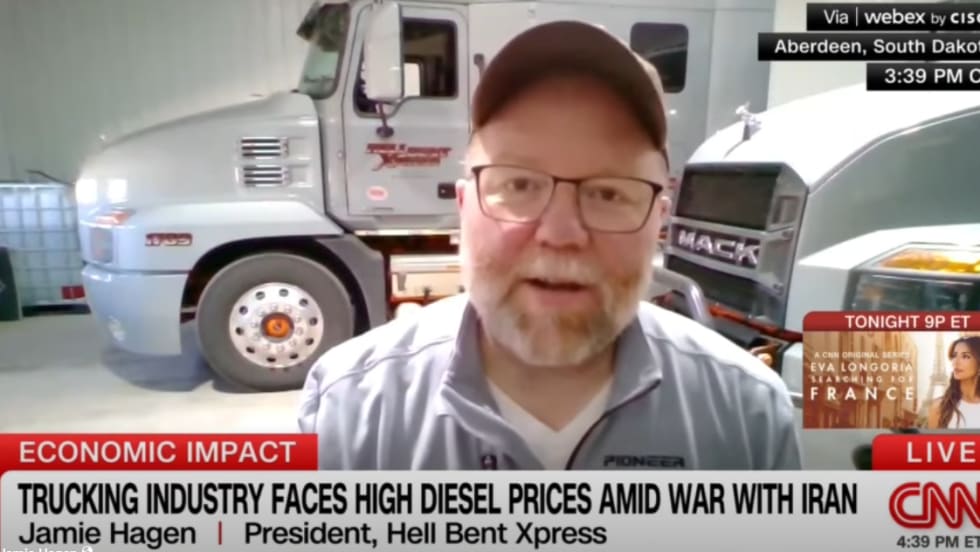
Jamie Hagen Gets Real About Running a Small Fleet in an Uncertain Economy
Small fleet owner Jamie Hagen says new legal risks, volatile fuel prices, and a changing freight market are forcing small carriers to rethink how they operate — and what they can afford.
Read More →
Jamie Hagen Gets Real About Freight, Fuel Prices, Safety, and Small-Fleet Survival
Running a small trucking fleet right now isn’t easy, especially right now. And Jamie Hagen doesn’t sugarcoat it.
Read More →
Jamie Hagen Gets Real About Freight, Fuel Prices, Safety, and Small-Fleet Survival
Running a small trucking fleet right now isn’t easy, especially right now. And Jamie Hagen doesn’t sugarcoat it.
Read More →
Data Lock‑In or Integration Lock‑Out?
Data fragmentation is costing dealerships, OEMs, fleets, and upfitters millions. Here’s why interoperability may be the fix the trucking industry needs.
Read More →