




Motor Trucks in the Wild West
In 1919, a young Army officer learned firsthand how important modern roads were for his rapidly transforming young nation. And trucking benefits from the lessons he learned to this very day.


Mack Trucks in action during the U.S. Army's 1919 cross-country motor convoy experiment. Photo: U.S. Army Signal Corps
Photo: National Archives
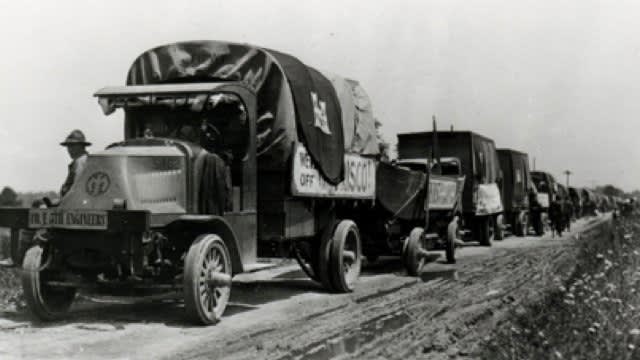
Mack Trucks in action during the U.S. Army's 1919 cross-country motor convoy experiment. Photo: U.S. Army Signal Corps
Given its size and industrial output, at some point, the United States would have had no choice but to invest in and build a national highway system. But the actual story of how the Interstate Highway System came to be is amazing because it largely revolves around the unique experiences of an American hero named Dwight D. Eisenhower.
After graduating from West Point in 1916, “Ike” requested an overseas assignment during the First World War, but was posted instead to Fort Leavenworth, Kansas, and missed out on the chance for a career-enhancing combat command. But he was a capable, organized officer. And World War I was the first conflict to see the use of motorized transport, which played a decisive role in staving off a German victory at various points during the fighting.
After the Armistice, the War Department decided to study how trucks could be used to move a convoy of troops and equipment across the continental United States in the event of an invasion of the West Coast. Command of the convoy of trucks fell to young Major Eisenhower, with orders to set out from Washington, D.C. and proceed in as expeditiously a manner as possible to Oakland, California.
A Modern Motor Convoy
The convoy was impressive for the time. According to the Wikipedia entry on the event, it consisted of 81 total vehicles and trailers, including 34 heavy cargo trucks, four light delivery trucks, two mobile machine shops, a mobile blacksmith shop, one wrecker, and an "Artillery Wheeled Tractor" capable of towing nine trucks at once.
There were also two spare parts wagons, two water tanks, one gasoline tank, one searchlight with electrical power plant truck, four kitchen trailers, eight touring cars, a reconnaissance car, two staff observation cars, five sidecar motorcycles, and four solo motorcycles, as well as five ambulances with trailers, and a 4-ton pontoon trailer (which was abandoned in Omaha).
Manufacturers involved included Mack Trucks, fresh off its name-making triumphs on European battlefields, as well as GMC, Cadillac, Dodge, F.W.D., Garford, Harley-Davidson, Indian, Liberty, Packard, Riker, Standardized, Trailmobile, and White.
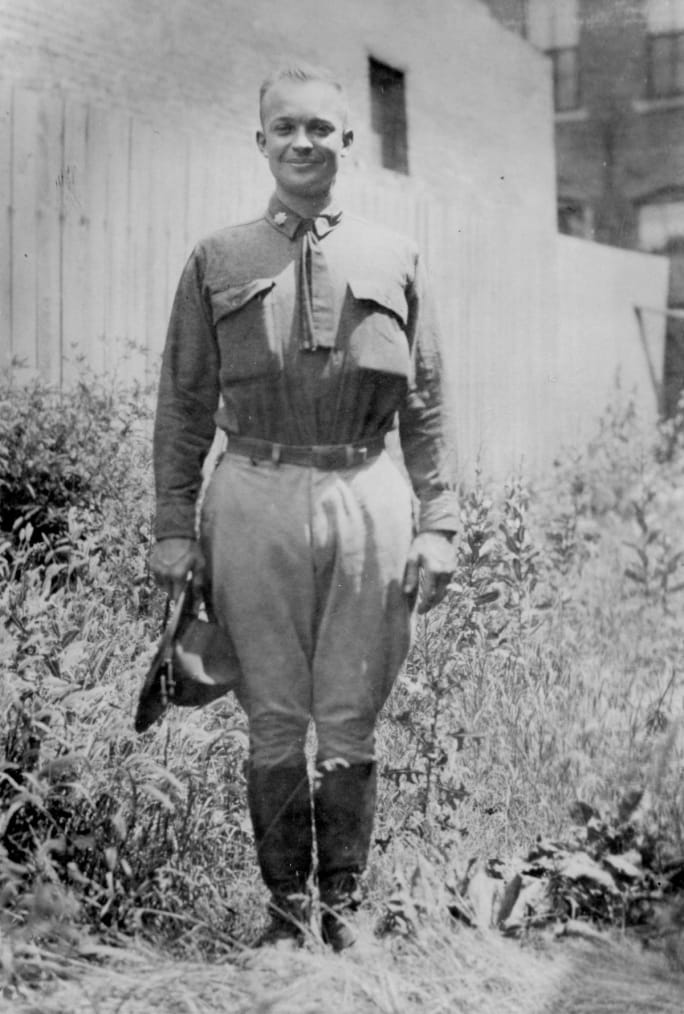
Lt. Col. Dwight Eisenhower during his command of the 1919 coast-to-coast motor convoy. Photo: U.S. Army Signal Corps
Photo: National Archives
The journey wasn’t an easy one. It’s worth noting that in 1919, it had only been 20-odd years or so since the end of the last Indian Wars. So, the Western U.S. had far more in common with the Wild West of the 19th Century than the 20th Century’s ongoing Industrial Revolution.
Hard Country to Travel In
What primitive highways existed at the time petered out far east of the Mississippi River. And things got progressively worse the farther west the convoy traveled. At times, the men were lucky to following a cattle path. More often than not, they were simply making their own road as they went.
An idea of just how brutal the whole affair was can be gleaned from these highlights: En route, Eisenhower’s men found virtually no paved roads west of Illinois and often had to tear down and rebuild wooden bridges, if they weren’t building them from scratch while enduring 230 separate “road incidents” requiring vehicle repairs.
All told, the convoy covered more than 3,000 miles at an average speed of 5 mph, with average travel times of slightly more than 10 hours per day. The trip took a total of 56 days, with the troop finally arriving in Oakland six days behind schedule. Casualties included 9 vehicles that could not complete the trip, as well as 21 men unable to finish the journey out of the original contingent of 297 officers and enlisted men.
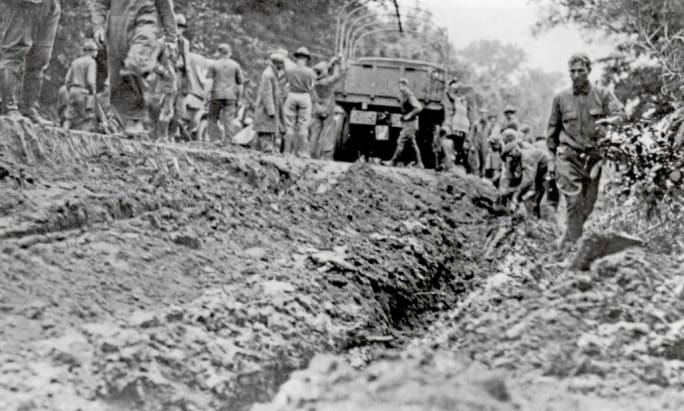
No roads to speak of existed west of the Mississippi River and the soliders often had to build them as they went.
Photo: Library of Congress
Most of the soldiers were raw recruits with little or no motor skills at the beginning of the journey, although Eisenhower noted several were “really component drivers” by the end of the trip.
It was a grueling affair at a time when next to nothing was known about motorized transport and logistics, and this early triumph by Eisenhower not only put him on solid footing as a capable officer with his superiors, but also impressed upon him the importance of a reliable, well-maintained road network for a modern, industrialized nation.
But it was only the first part of the future president’s thinking on modern roadways. His role in an even greater war a few years later would shape his thinking on highways in equally profound ways and give birth to the U.S. Interstate Highway System.
More Blog Posts

That Time Mack Trucks Threw Me a Birthday Party
Sometimes the best birthdays are the ones you never planned. Mine happened courtesy of one of America's oldest truck manufacturers, and it reminded me why I still love this industry after more than three decades.
Read More →
Trucking Should Prepare for Long Siege of High Fuel Prices
Many in trucking are treating today's fuel-price surge as a temporary disruption. History suggests they may be making a costly mistake.
Read More →
30 Days on the Road: April 2026
There was a glut of good news for the North American trucking industry. HDT's Jack Roberts takes a look back at our major stories from the month.
Read More →
30 Days on the Road: HDT's Monthly News Roundup for March 2026
HDT's Monthly News Roundup takes a look at the major North American trucking industry news stories from March, 2026.
Read More →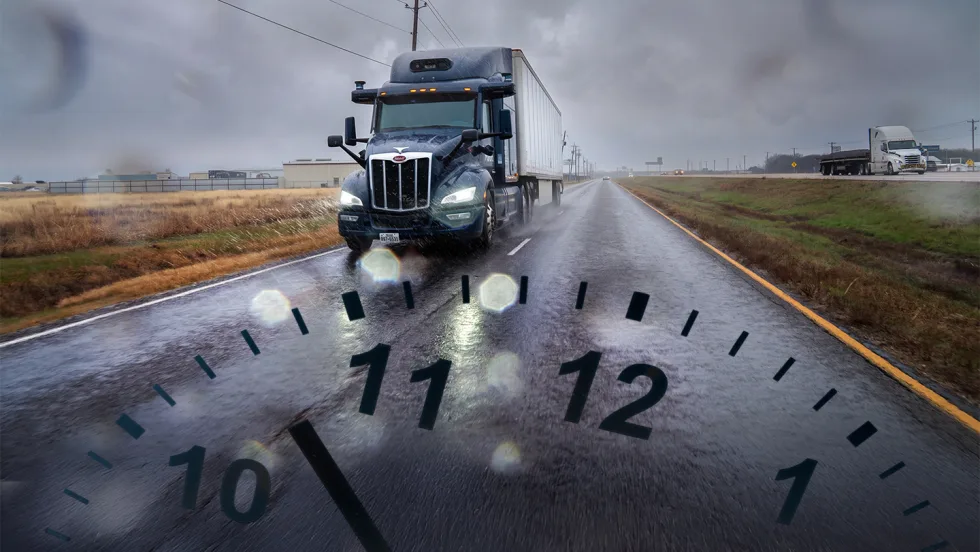
The Major Autonomous News No One is Talking About
Both Aurora Innovation and PlusAI have made under-the-radar announcements that signal a massive game-changer for trucking is coming soon.
Read More →
HDT's Monthly News Roundup: February 2026
February was dreary and dull -- as usual. But the North American trucking industry finally showed some signs of life. But how long that will last is anybody's guess.
Read More →
Like it or Not, The New Year is Here!
HDT's Monthly Trucking Newsletter looks back on the top stories from January, 2026.
Read More →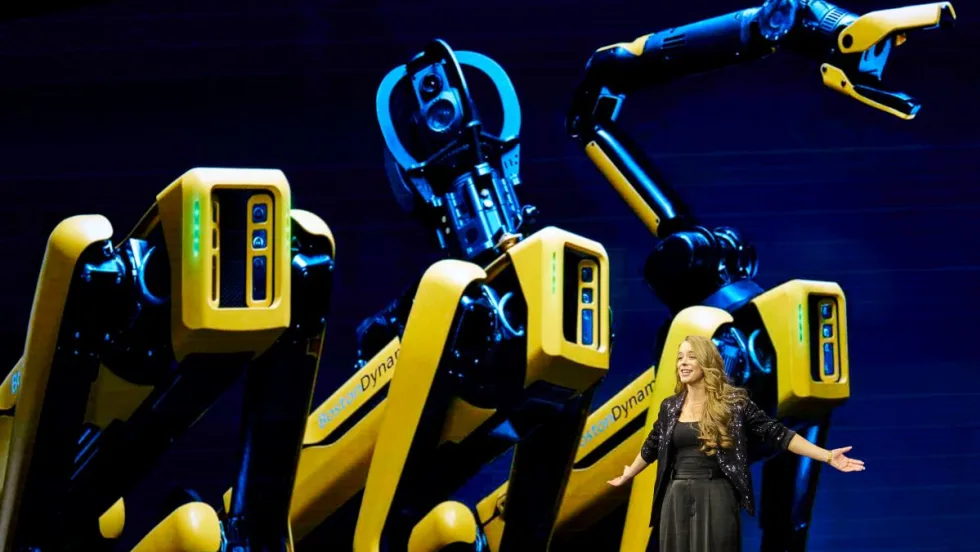
The Robots are Here
After a bruising year for trucking, CES 2026 felt subdued. Until it suddenly offered a glimpse of trucking's next disruption and reminded everyone that technology never waits for the next freight cycle.
Read More →
Robots and Road Rage
Computers never get angry. And that's a good thing on crowded stretch of interstate.
Read More →
For the Love of Old Trucks
Old trucks generally get ignored in classic car circles. Maybe that's changing.
Read More →