


 MENU
MENU SEARCHMENUSEARCH
Loading data...
UPDATED -- The Federal Motor Carrier Safety Administration has announced a proposed rule to establish a drug and alcohol clearinghouse for all national commercial driver’s license holders.
Read More →

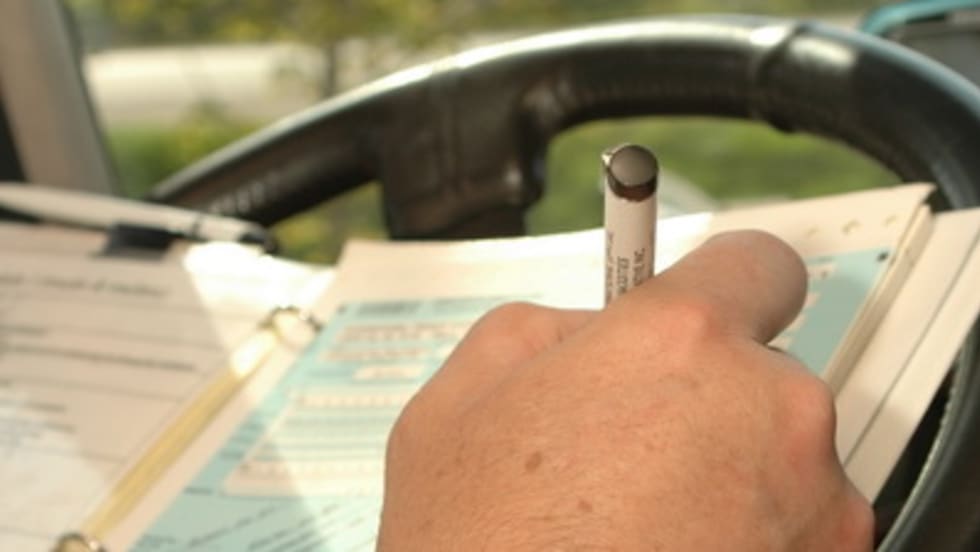


The Federal Motor Carrier Safety Administration is now one step away from publishing a proposal to create a national database containing driver drug and alcohol test results.
Read More →Trucking’s overriding challenge on Capitol Hill this year is passage of a new highway program. The current program expires at the end of October. It launched a number of substantive reforms and policy initiatives but was funded for just two years with money taken from here and there in the federal budget.
Read More →Trucking will go into 2014 with two major safety proposals pending: electronic logs and a searchable database containing the results of driver drug and alcohol tests.
Read More →The Federal Motor Carrier Safety Administration has ordered a Cherryville, N.C.-based trucking company, to immediately cease operations, declaring it to be an imminent hazard to public safety.
Read More →Legislation has been introduced on Capitol Hill allowing trucking companies the option of using hair testing for illegal drugs as an approved method of screening drivers.
Read More →The American Trucking Associations is calling on U.S. media outlets to “stop their inaccurate and sensationalized reporting” on a review of 36 studies claiming that a number of commercial truck drivers use drugs or alcohol while behind the wheel.
Read More →A federal grand jury returned a 25-count indictment, charging a California woman for falsifying commercial driver drug test results.
Read More →The U.S. Transportation Department has released its semi-annual regulatory agenda summarizing of all current and projected rulemakings. On the near-term agenda are a drug and alcohol testing database, no-defect DVIRs and electronic driver logs.
Read More →Five years of dual testing data from the trucking industry, which included over 200,000 DOT driver candidates from more than 25 different motor carriers, demonstrates that urine testing by itself is no longer effective for pre-employment screening.
Read More →