




Dig Deeper: Why Medium-Duty Truck Fleets Need Retreads
Look Inside the Truck-Tire Retreading Process [Photos]
Nearly half of all North American replacement truck tires are retreads, according to Bridgestone. Check out how its Bandag retreads are made in this photo gallery. Bridgestone’s Bandag Retreads saw a record year of growth in 2022, producing more than 7 million retreads. It invested $60 million in its Bandag plant in Abilene, Texas, and rolled out its Last Mile Tire System to make adoption of retreads easier for small delivery fleets.
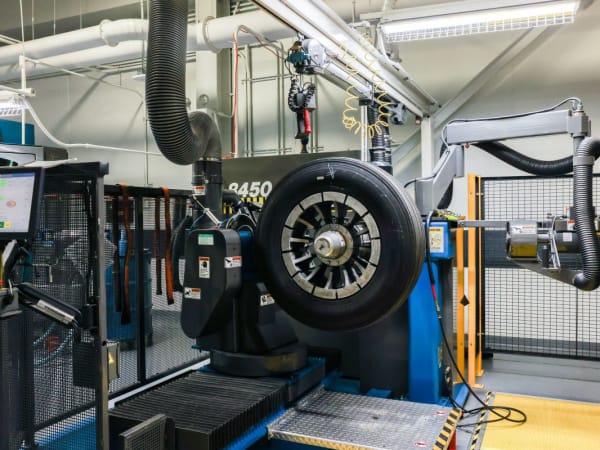
Step 4: Buffing
At this stage, the casing is inflated to its operational shape. The process removes the worn tread surface, trues up the roundness, and prepares the surface for a new tread.
Photo: Bridgestone
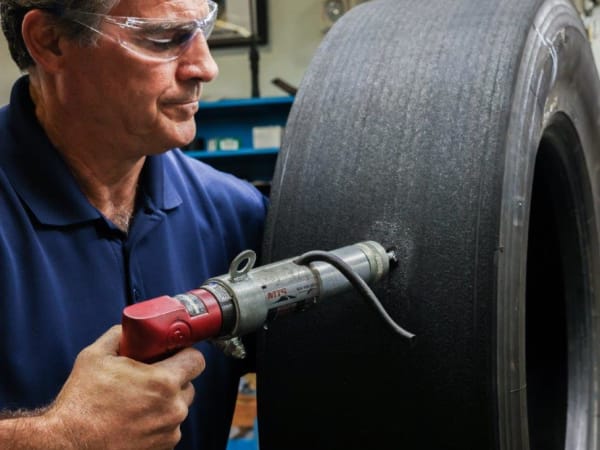
The repair process prepares returns the casing to a useful life.
Photo: Bridgestone
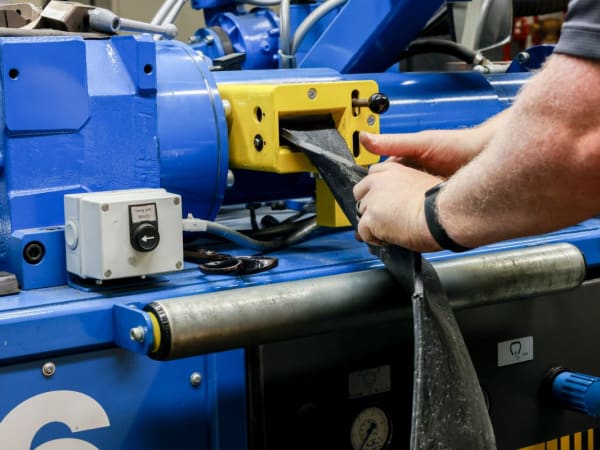
Step 6: Applying Cushion
An uncured bonding layer is extruded onto the prepared casing surface and all skives are filled.
Photo: Bridgestone
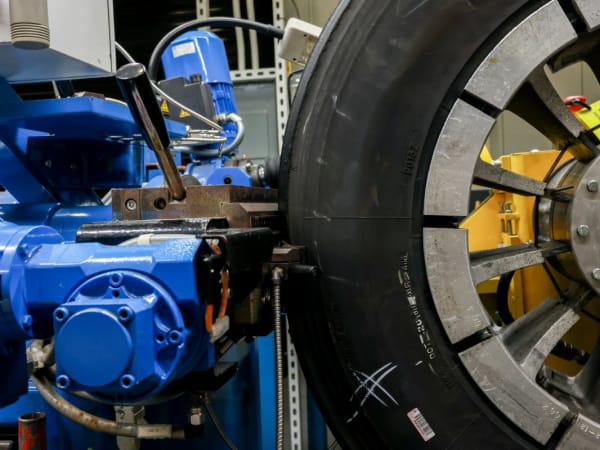
After applying the cushion, the casing is ready for a new tread.
Photo: Bridgestone
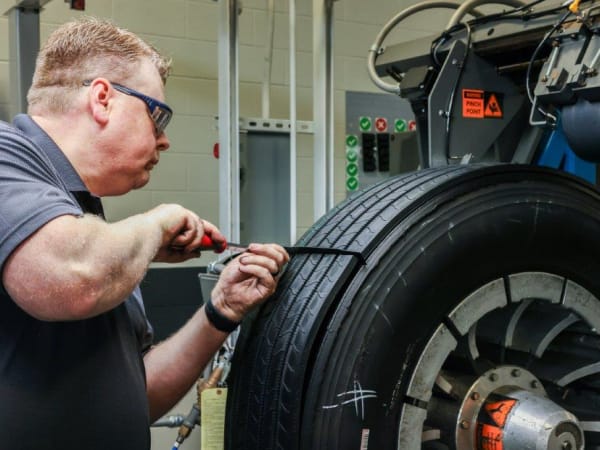
Step 7: Building.
Photo: Bridgestone
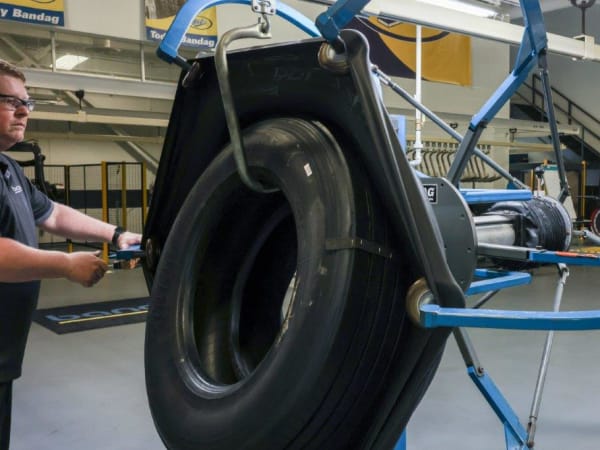
Step 10: Final Inspection
A visual, hands-on inspection is repeated to ensure quality specifications are met.
Photo: Bridgestone
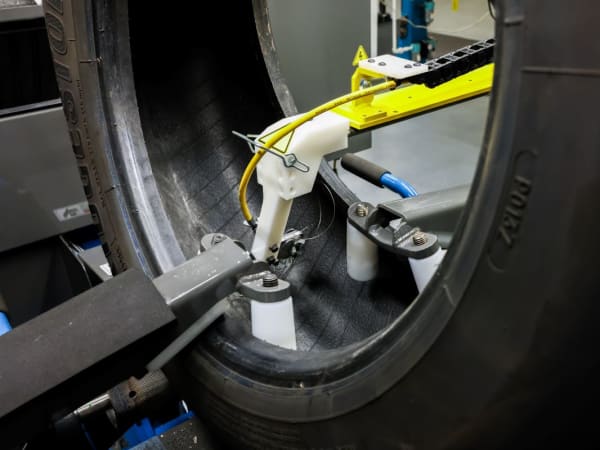
Steps 1 & 2: Initial and Electrical Inspection
Actual damage can be closely evaluated by looking “through-the-tire” in the crown and sidewall areas that may not be visible to the naked eye.
Photo: Bridgestone
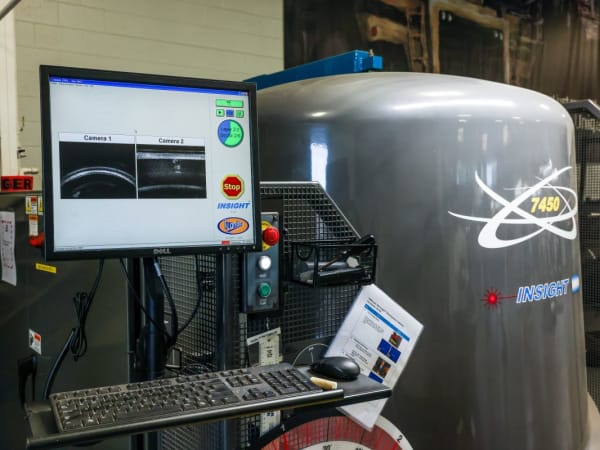
Step 3: Shearography
This determines conditions within the casing, subjecting it to a vacuum while lasers measure surface anomalies. An animated visual of the anomalies determines casing condition.
Photo: Bridgestone
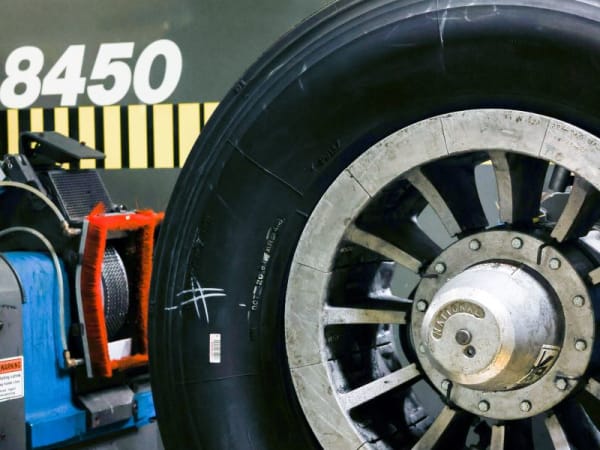
A closer view of the buffing process.
Photo: Bridgestone
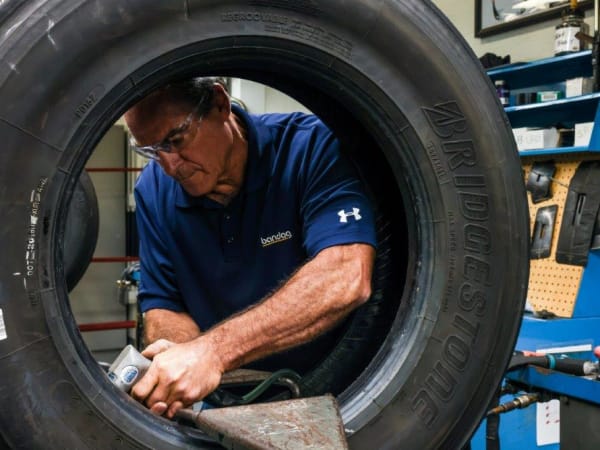
Step 5: Repair
Any damaged material identified during initial inspection is removed.
Photo: Bridgestone
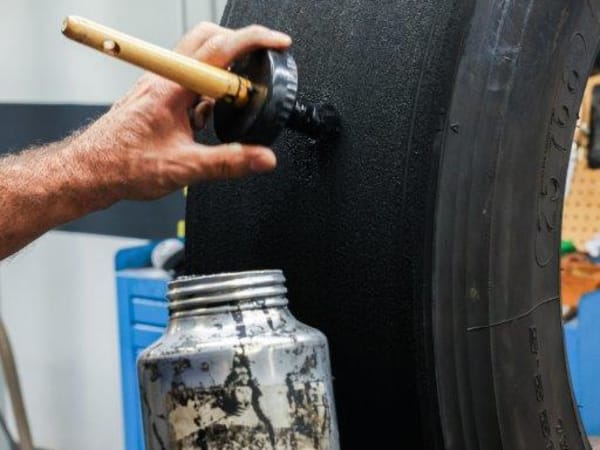
When damaged material is identified,repairs are made.
Photo: Bridgestone
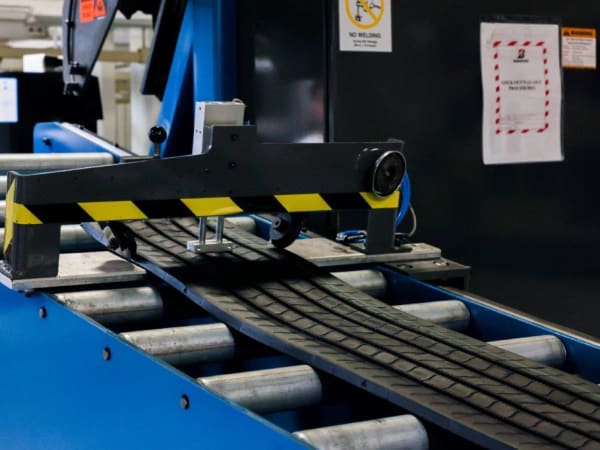
Step 7: Building
Bandag retreaders assign a unique barcode to every casing so it can be tracked in real time through the retreading process.
Photo: Bridgestone
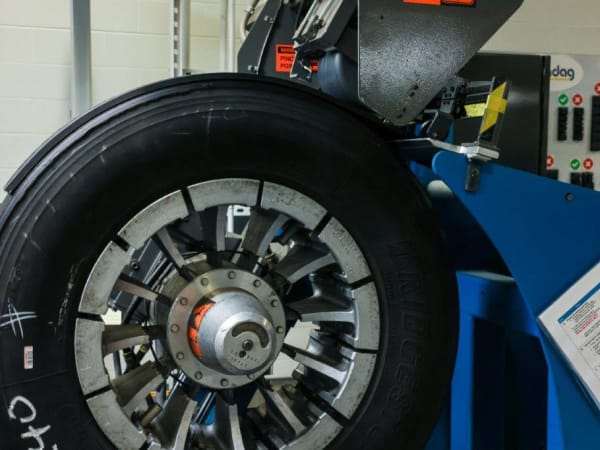
Step 7: Building
Photo: Bridgestone
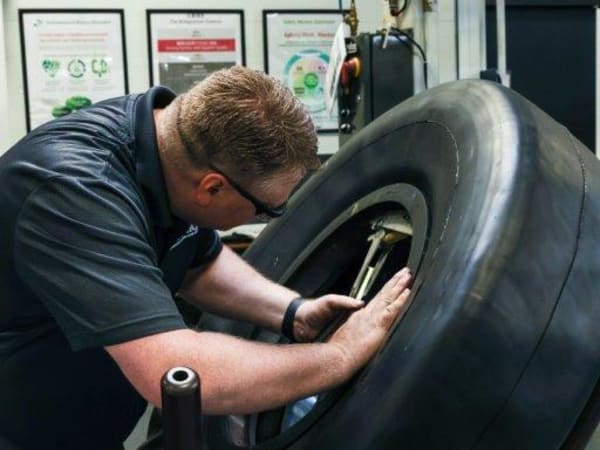
Step: 8 Enveloping
The assembled but uncured tire is encased in an elastic envelope and prepared for curing.
Photo: Bridgestone
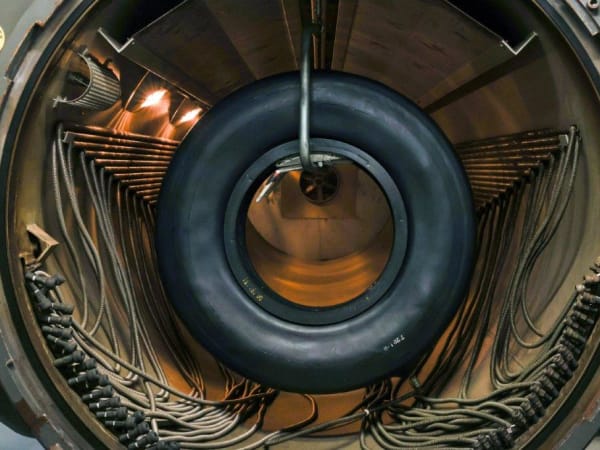
Step 9: Curing
The curing chamber causes the bonding layer in the tire to cure and permanently adhere the new tread.
Photo: Bridgestone