




The Design Process for Remanufactured Products [Photos]
Traditionally in the manufacturing sector design engineers only looked at the first use of a product when determining how it should be made. But if remanufacturers had their way, they would be brought into the product design process much earlier to give input on design changes that could eliminate challenges later when the product ends up at the remanufacturing center.
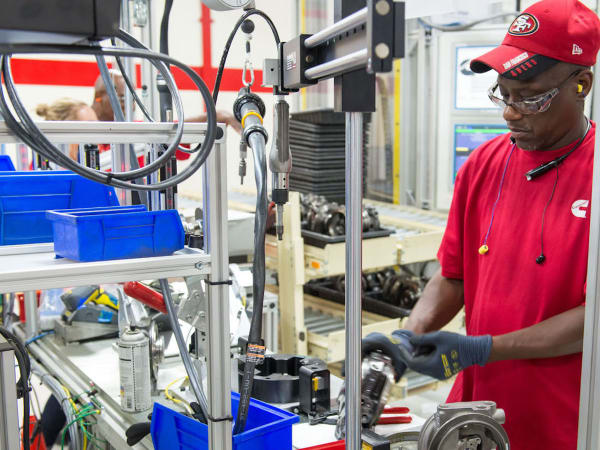
Every Cummins engine is remanufactured up to three times.
Photo courtesy of Cummins

Global Remanufacturing day highlighted the reasons for remanufacturing
Photo courtesy of Cummins

Remanufactured products are usually a lower cost option for fleets.
Photo courtesy of Cummins
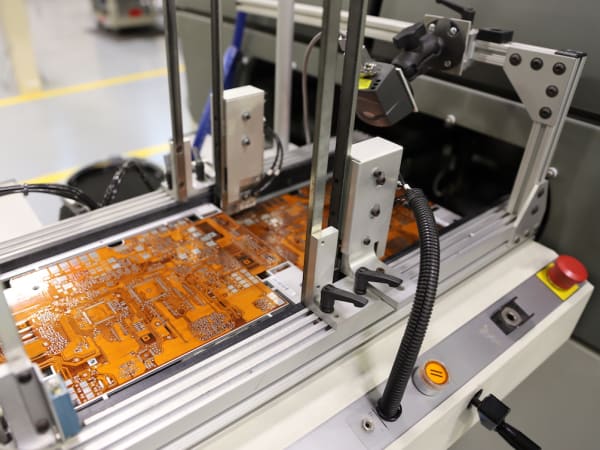
Circuit boards must be evaluated as part of the remanufacturing of mechatronic assemblies.
Photo courtesy of Detroit Reman
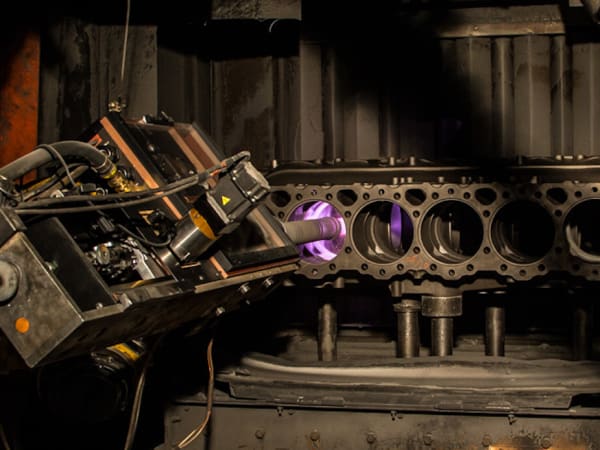
Plasma transfer is one type of additive manufacturing.
Photo courtesy of Detroit Reman
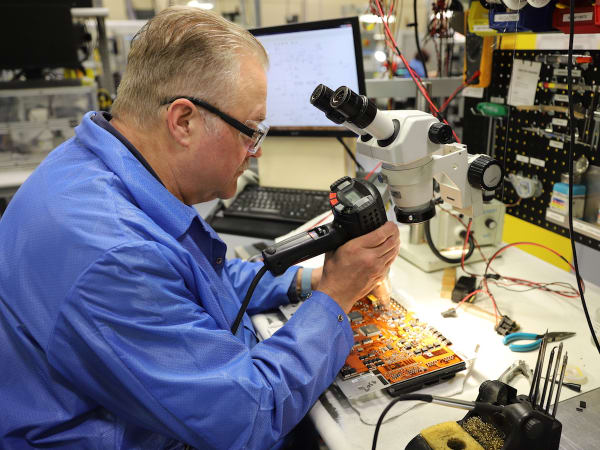
A great deal of care must be taken when working with circuit boards during the reman process.
Photo courtesy of Detroit Reman
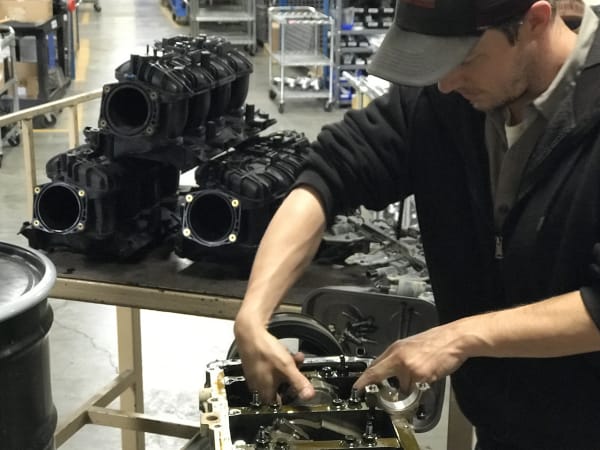
Remanufacturers want a design that has more material that could potentially be reused.
Photo courtesy of Reviva
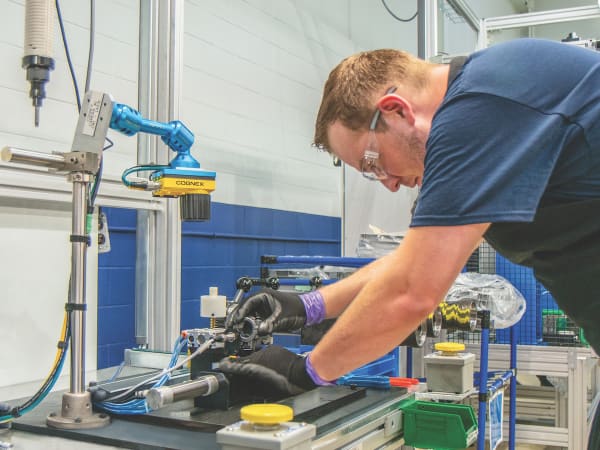
Mechatronics adds a certain level of complication and complexity to the remanufacturing process.
Photo courtesy of Wabco
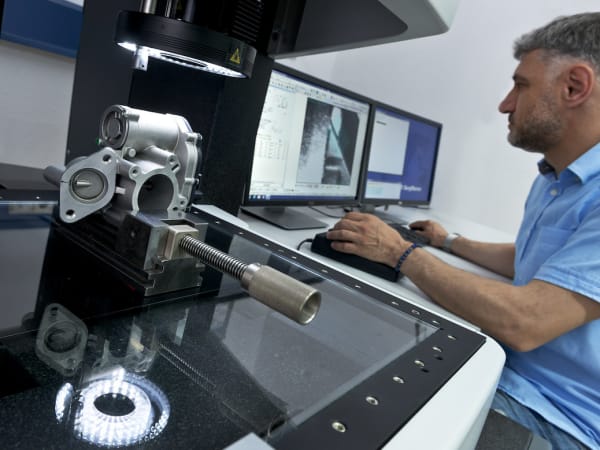
An EGR valve is tested as part of the remanufacturing process.
Photo courtesy of Borg Warner
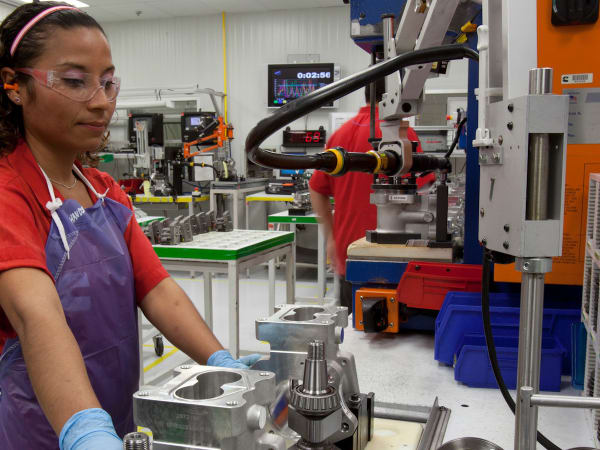
Cummins says 85% of an engine can be remanufactured.
Photo courtesy of Cummins

Remanufacturing uses 85% less energy than required to produce a new engine.
Photo courtesy of Cummins
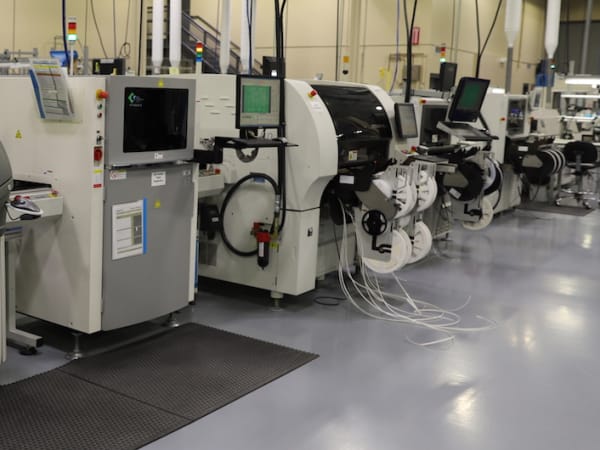
Remanufacturing mechatronics requires different processes and testing.
Photo courtesy of Detroit Reman
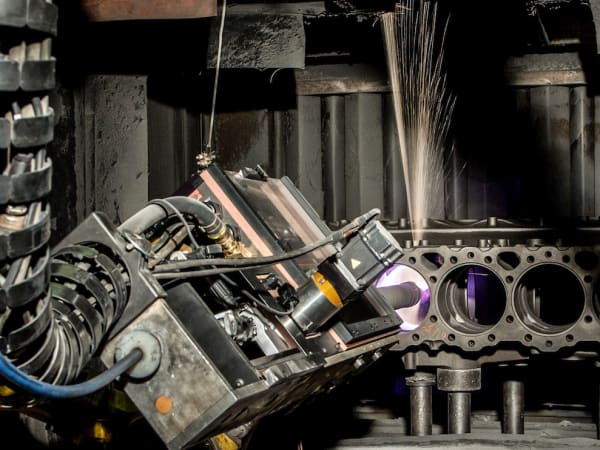
Detroit Reman has heavily invested in additive manufacturing.
Photo courtesy of Detroit Reman
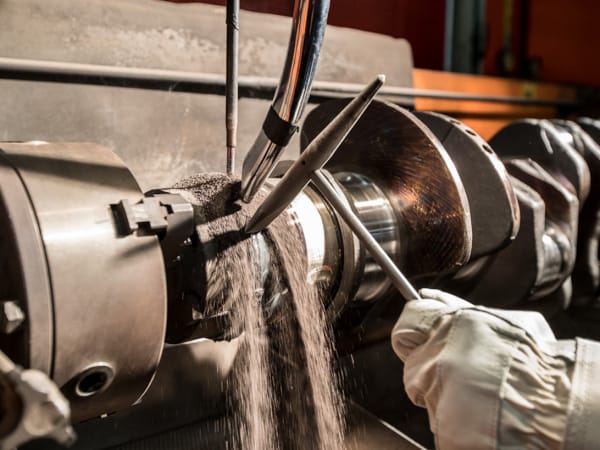
Detroit Reman also used submerged arc welding in the remanufacturing process.
Photo courtesy of Detroit Reman
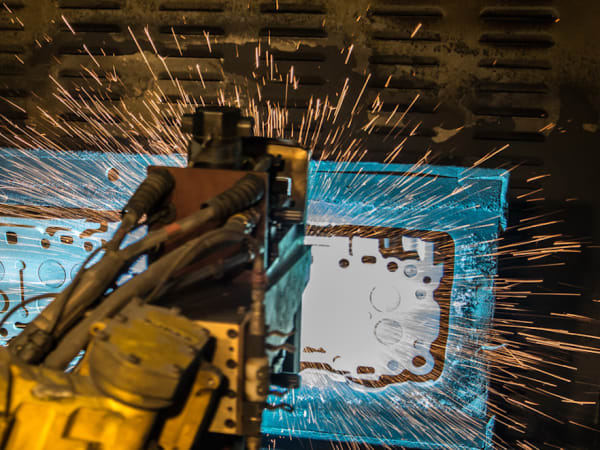
The twin wire arc process is also a form of additive manufacturing used by Detroit Reman.
Photo courtesy of Detroit Reman
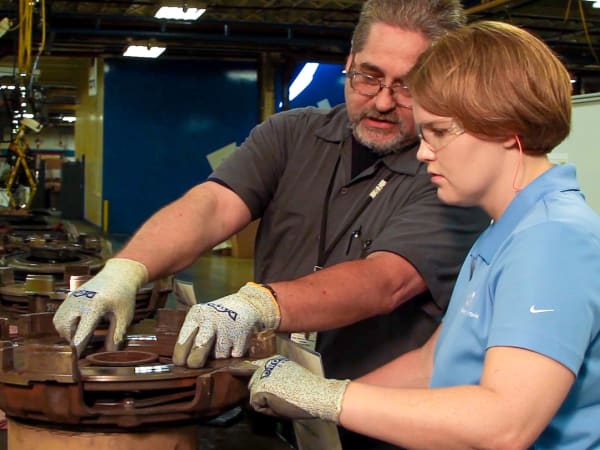
Remanufacturing must be part of any manufacturer’s product plans, Eaton says.
Photo courtesy of Eaton
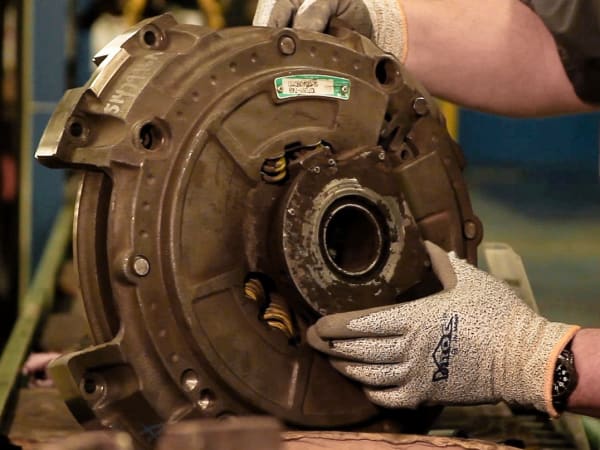
Remanufactured products can be better than new because the remanufacture can see how the product failed and make adjustments.
Photo courtesy Eaton
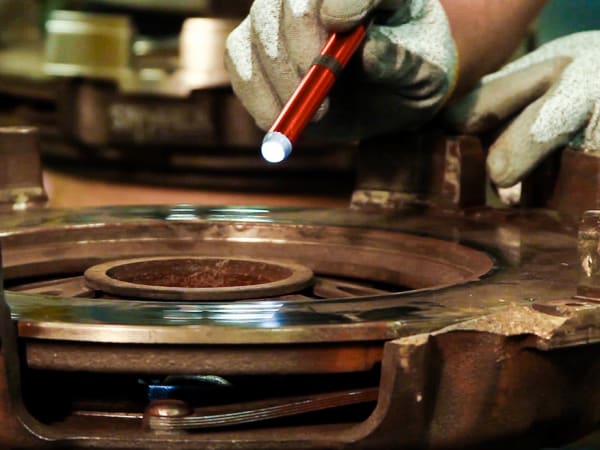
Fleets buying remanufactured products need to understand the testing process a remanufacturer uses.
Photo courtesy of Eaton
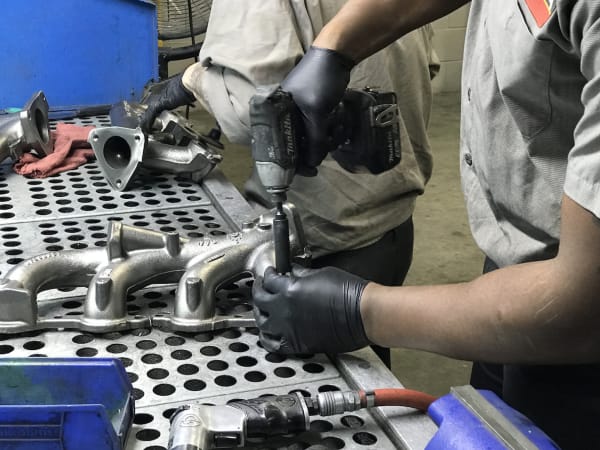
Products are dissembled and inspected to determine their condition.
Photo courtesy of Reviva
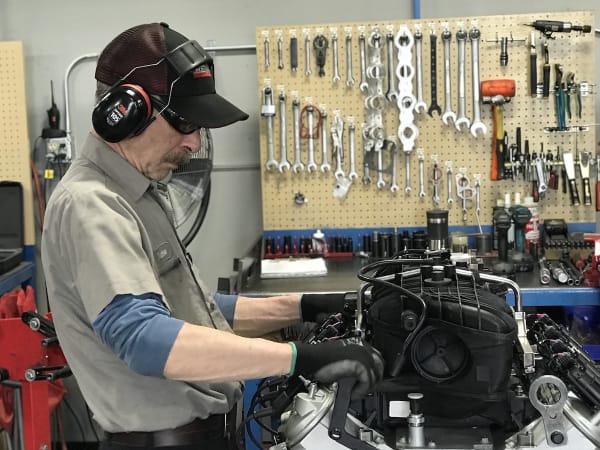
During the reman process the engine is “exploded” into all it various components and wear parts are thrown away.
Photo courtesy of Reviva
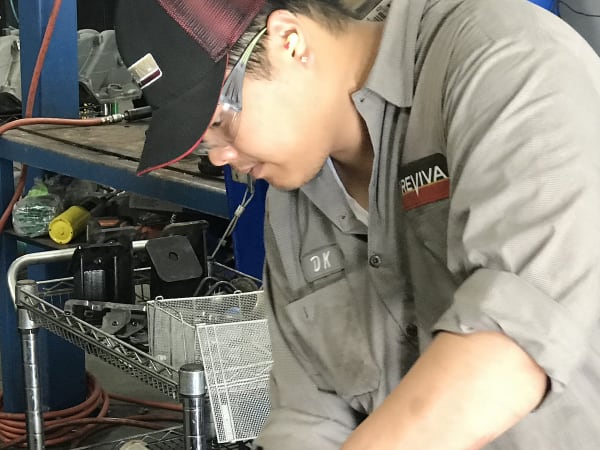
Today’s engines are more compact and lighter weight with narrower cylinder walls that can take some of the remanufacturability out of them.
Photo courtesy of Reviva
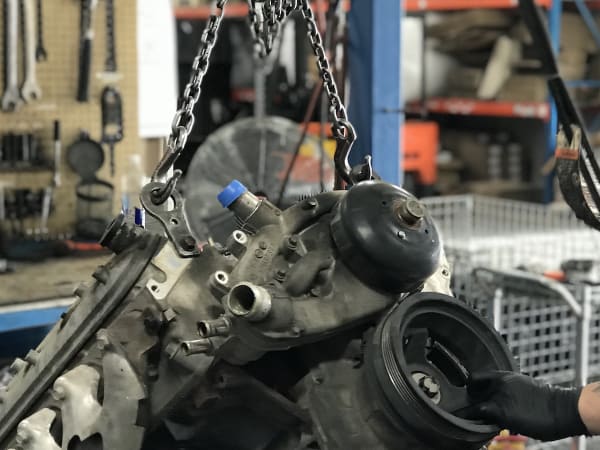
Core is the lifeblood of any remanufacturing operation.
Photo courtesy of Reviva
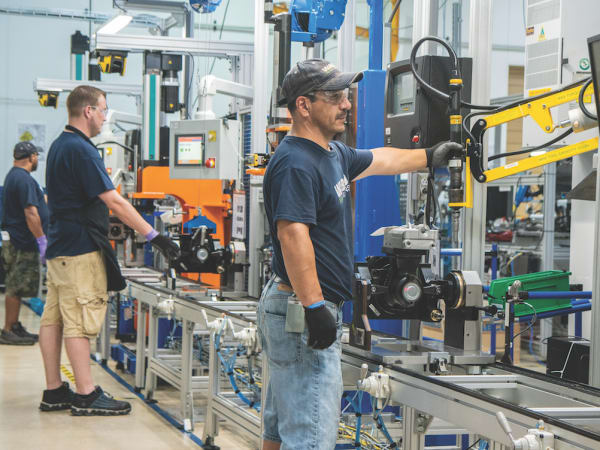
Remanufacturing allows equipment to be used longer, limits the impact on the environment and saves fleets money.
Photo courtesy of Wabco