




Scania, VW Key to Commercial Truck Growth
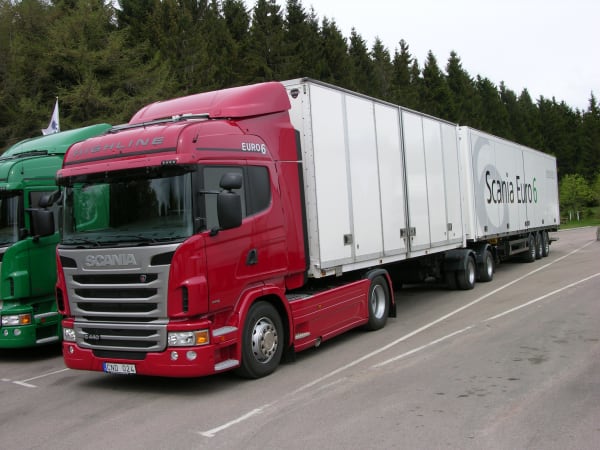
Already in 2011 Scania had its Euro 6 SCR solution ready for ride and drive. Photo: Sven-Erik Lindstrand
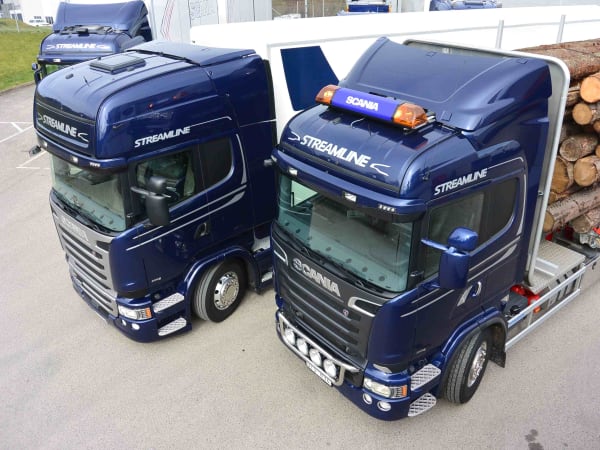
We test drove the most powerful engine variant R730 in 6x4 version with timber cradle from Berg Fegen. Photo: Sven-Erik Lindstrand
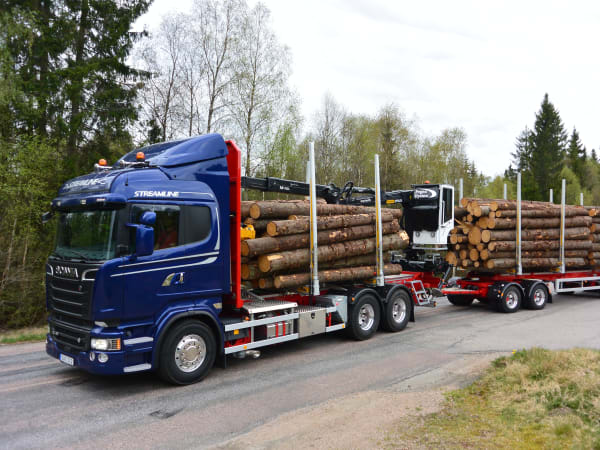
This logging truck with a Highline cab was fitted with Palfinger M110L timber crane and a Fegen cabin. It also pulled a four-axle timber drawbar trailer. The combined vehicle weight was 60 metric tons. Photo: Sven-Erik Lindstrand

The torque and power of R730 impressed our test driver Sven-Erik Lindstrand.
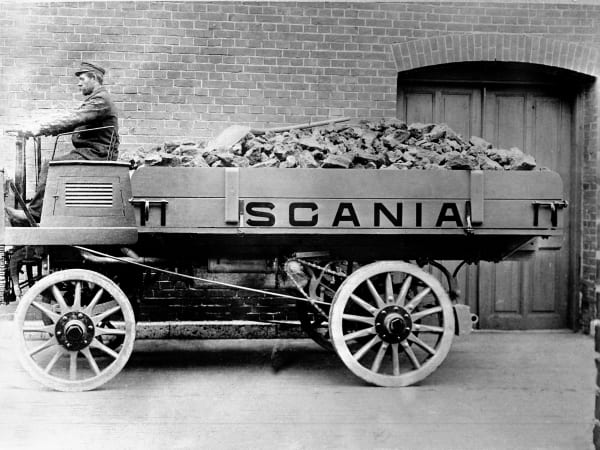
Scania's first truck dating from 1902. It carried 1.5 tons of cargo and was equipped with a 2-cylinder, 12-horsepower engine placed under the driver's seat. Top speed was 12 km/h.
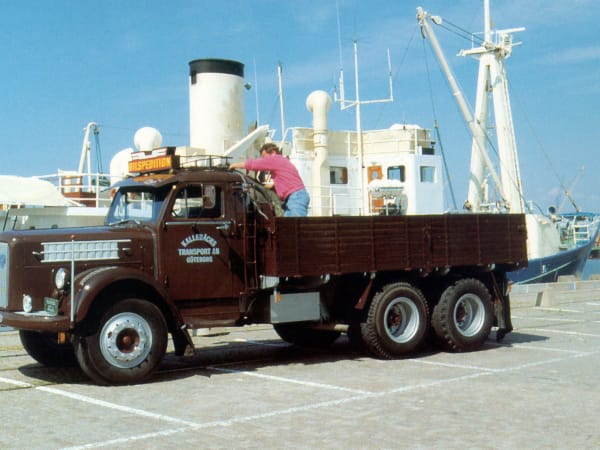
Scania-Vabis Regent LS71 was built 1954-1958. It was equipped with power steering and air brakes. The straight-six direct-injection diesel engine had an output of 150 horsepower, well suited for long-haul
traffic at the time.

The T-series were introduced in 1980 and equipped with intercooling. It became popular in South America. This Mexican T112 is a 1994 model. Production of all T-models was discontinued in 2005.
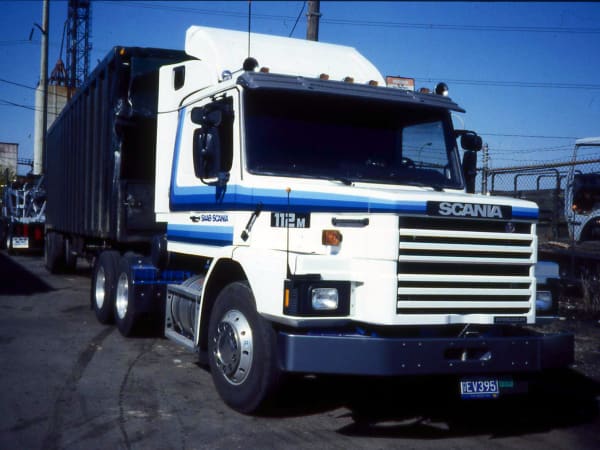
Scania only stayed five years on the U.S. market, 1985-1990. The vehicles were too heavy and earning margins were too small to justify continued presence. All together some 400 trucks were sold.
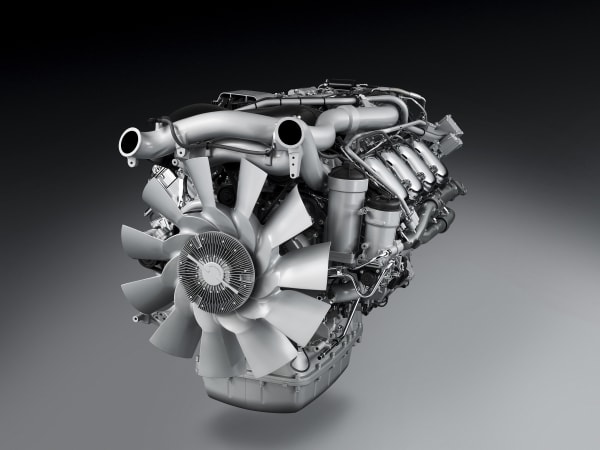
The Scania V-8 turns 45 years old in 2014.
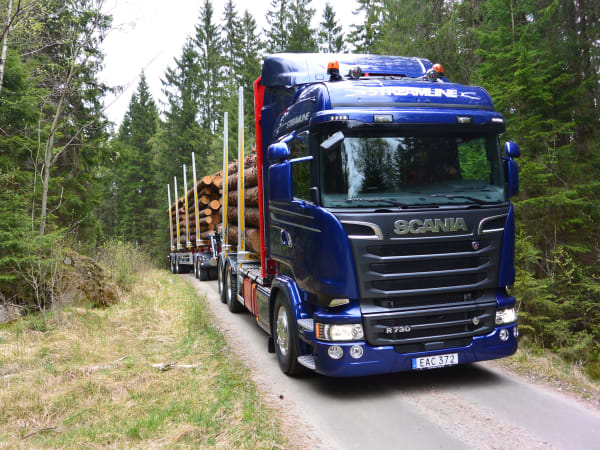
Recently HDT visited the Scania Demo Center for Western Sweden. Photo: Sven-Erik Lindstrand
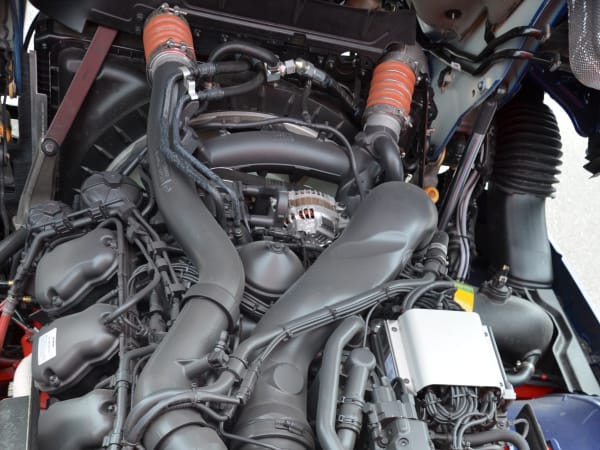
The engine is well packed under the cab floor around a V-8 engine. Photo: Sven-Erik Lindstrand
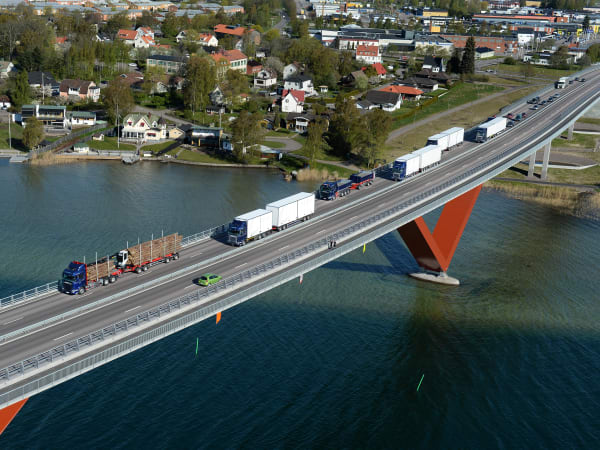
A convoy of Scania demo vehicles on their way to an open house at a Scania dealer in Sweden last month. Photo: Tommy Holl