




Autocar: 100 Years of Vocational Trucks
Autocar stakes its claim as the oldest truck manufacturer in the world – and can point to a long line of tough, specialized commercial vehicles that continue to this day. Celebrating its 100th anniversary this year, the OEM recently stepped confidently into the 21st century with its new DC Model lineup.
After the debut of Autocar No. 1, a single-cylinder gasoline-powered tricycle in 1897, Autocar and its founder Louis Semple Clarke saw a need to develop custom-engineered trucks for demanding commercial and municipal customers. By 1921, Autocar offered three truck models, with capacities ranging from 1-1/2 to 6 tons, various wheelbases, and conventional and engine-under-the-seat designs.
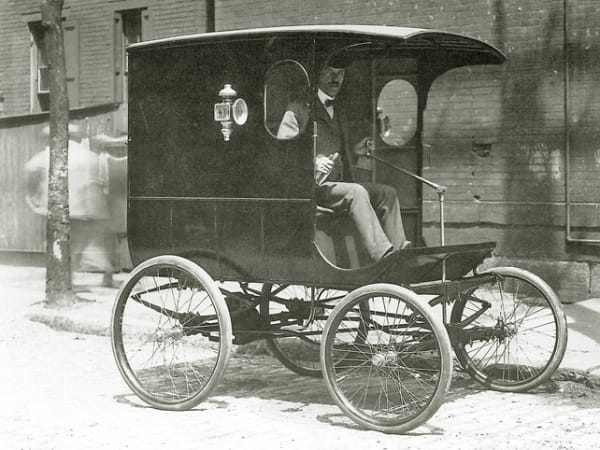
The Autocar delivery wagon, circa 1899, boasted a payload capacity of 700 pounds and optional 5 or 8 horsepower motors. The “engine-under-the-seat” design maximized area for freight.
Photo: Autocar
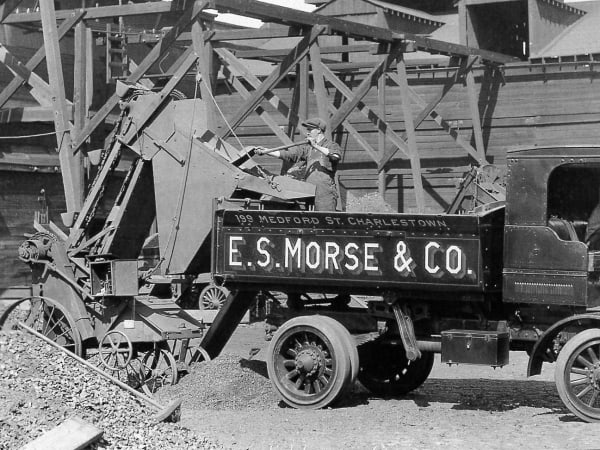
By 1921, Autocar offered three models with capacities ranging from 1-1/2 to 6 tons, a variety of wheel bases, and both conventional and engine-under-the-seat designs.
Photo: Autocar
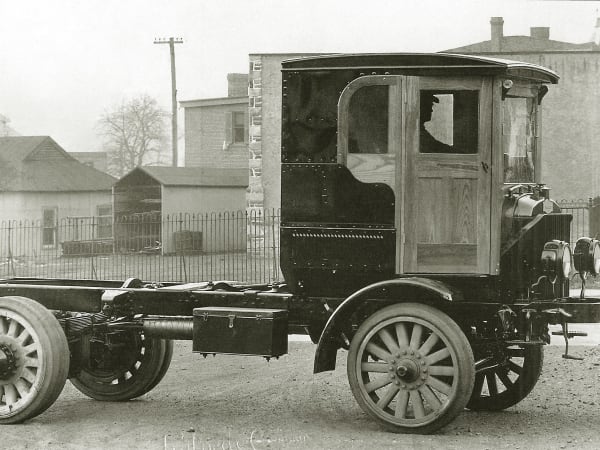
In 1933 Autocar launched the Model U, bringing back the “engine-under-the-seat” format that evolved into today’s COEs.
Photo: Autocar
Photo: Autocar
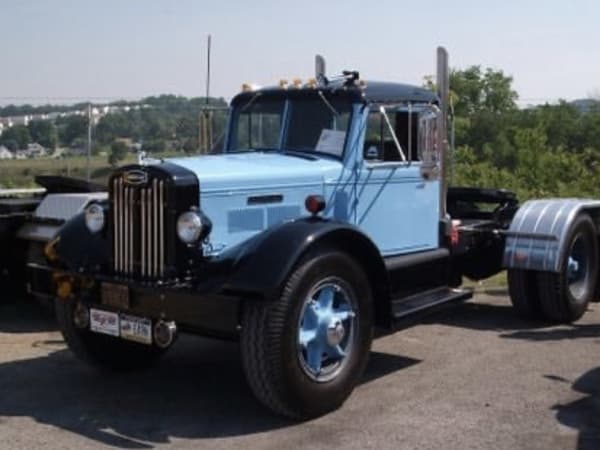
Photo: Autocar
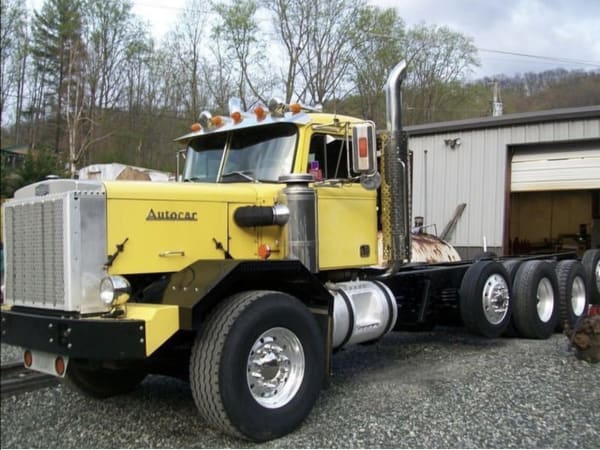
Photo: Autocar
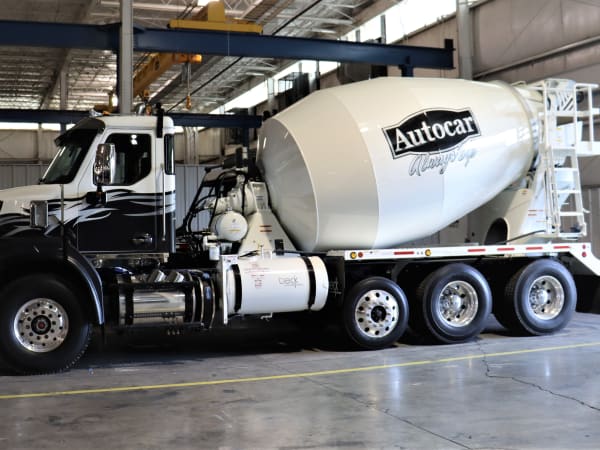
In 2019 Autocar announced the rebirth of Autocar’s DC conventional truck, first introduced by The Autocar Company in 1939. The DC-64M is the first mixer built at the new Autocar facilities in Birmingham, Alabama.
Photo: Autocar
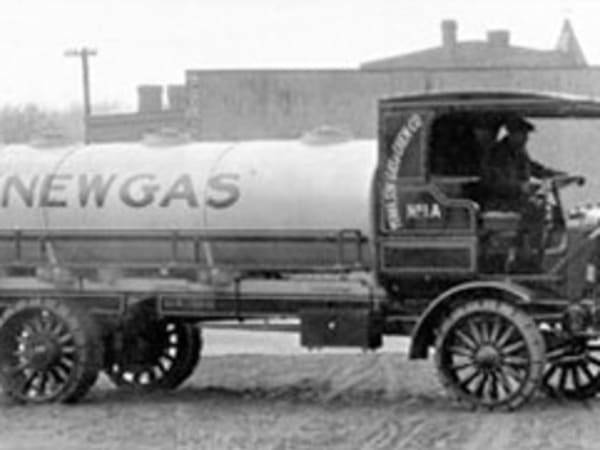
Photo: Autocar
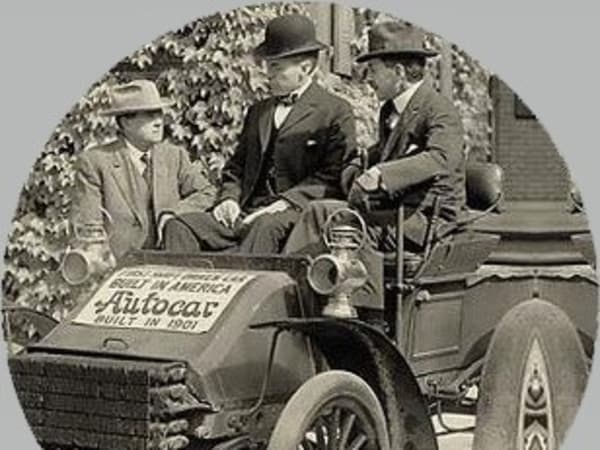
“Autocar No. 1” was a single-cylinder gasoline-powered tricycle that debuted in 1897. It was “purpose-built,” in this case, to carry and deliver packages.
Photo: Autocar
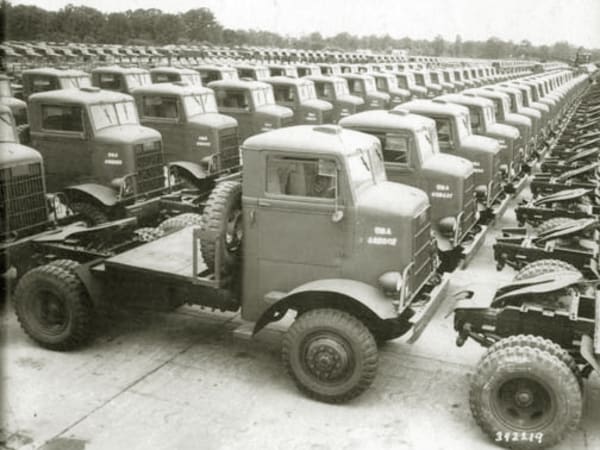
Autocar supplied over 37,000 armored half-trucks, all-wheel-drive prime movers, and standard production models, including the Model U, for the overseas war effort in WWII.
Photo: Autocar
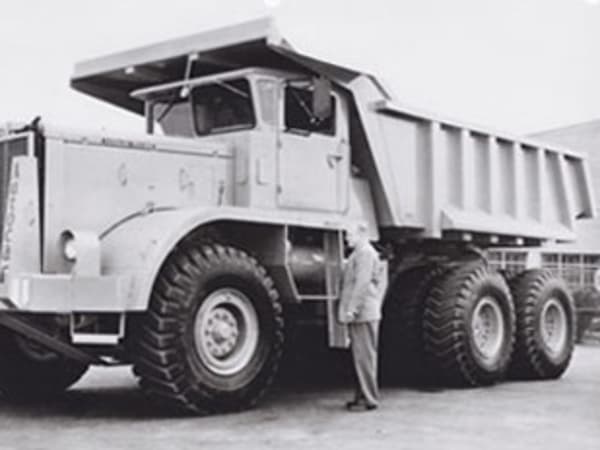
The all-steel Autocar Driver Cab was launched in 1950.
Photo: Autocar
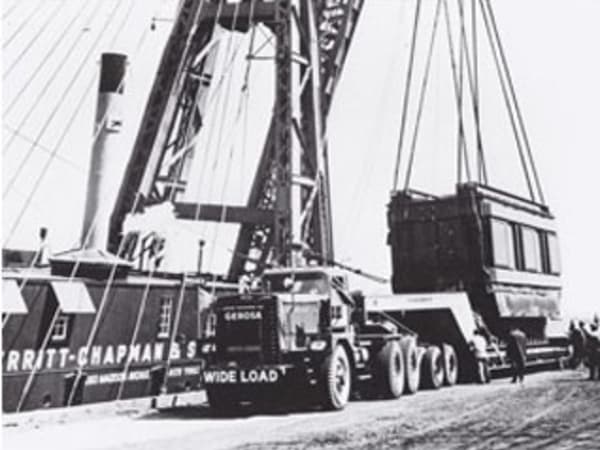
Heavy haul and severe duty have been mainstay Autocar applications for decades.
Photo: Autocar
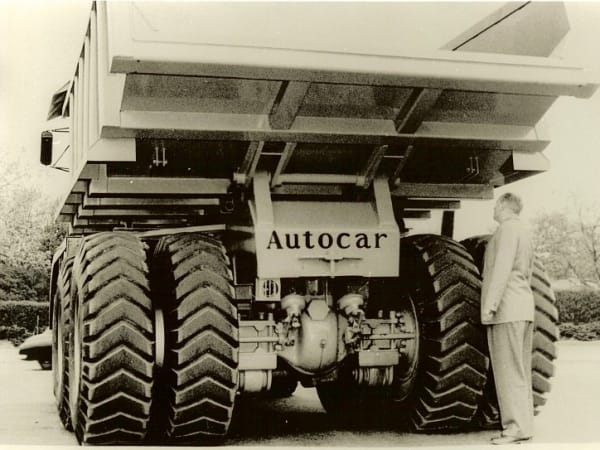
The 1960s and 1970s saw Autocar custom-engineer some of the biggest, baddest trucks ever put to work in the dirtiest, toughest, most rugged vocations imaginable. Among the unique models produced during this period were a 900,000 lb. GCW Autocar AP19T with a V-12 Cummins diesel engine, a 30,000 lb. tubular front axle and 200,000 lb. tandem rear axles.
Photo: Autocar
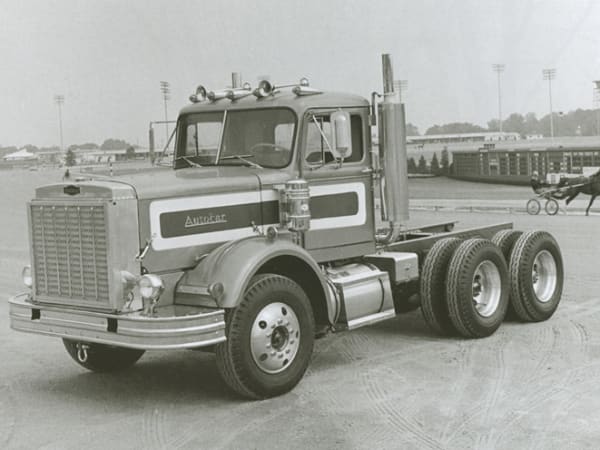
Autocar A46B, circa 1970
Photo: Autocar
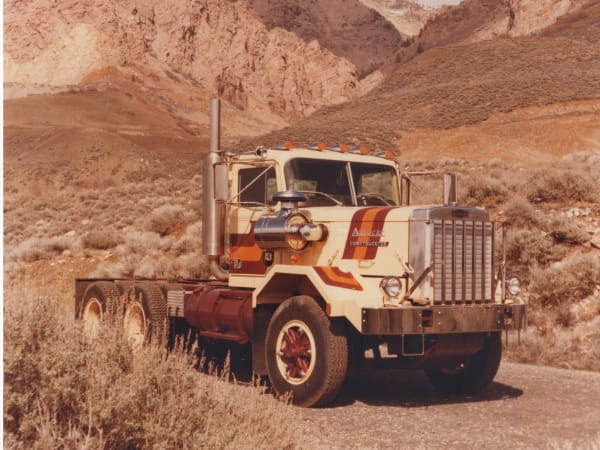
Autocar DC64B, circa 1980. Autocar’s production facilities moved to Ogden, Utah, in 1980. In 1981, the Swedish company AB Volvo acquired White Motor Company’s assets, including the Autocar brand name. The Volvo White Truck Corp. was formed and Autocar continued to produce custom-designed severe-service trucks.
Photo: Autocar
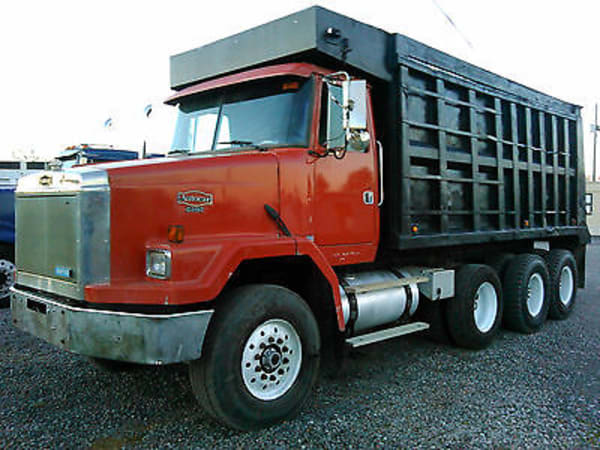
From the mid-'90s, ACLB Tri-axle Dump with Cummins N14 8L 435hp
Photo: Autocar
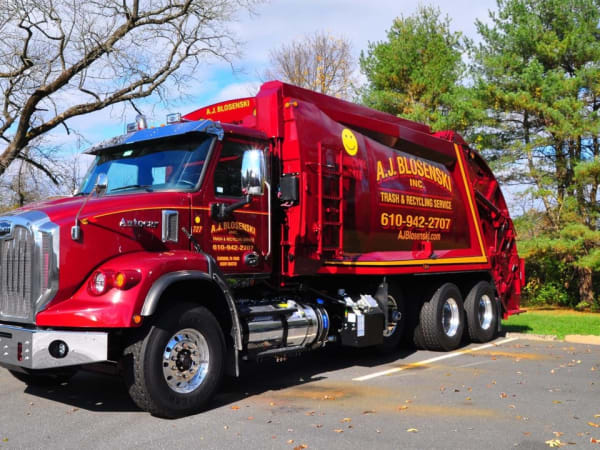
AJ Blosenski Inc., a garbage disposal and recycling service, DC-64R rear loader.
Photo: Autocar
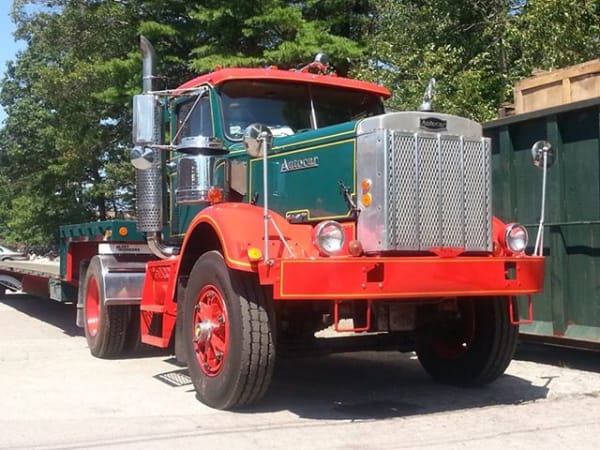
Old Autocars are lovingly restored by antique truck enthusiasts.
Photo: Autocar
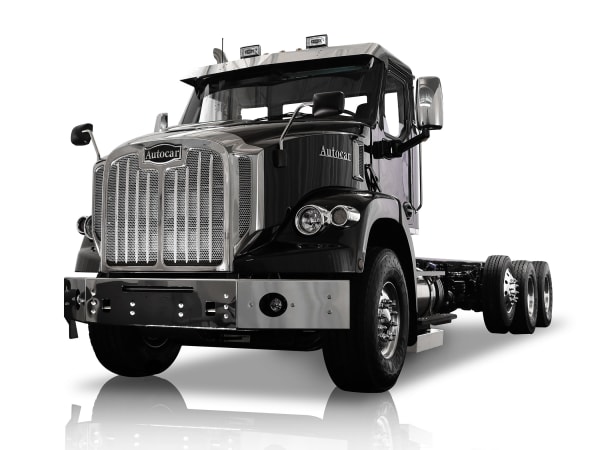
Autocar's new DC Series vocational trucks debuted in 2019.
Photo: Autocar
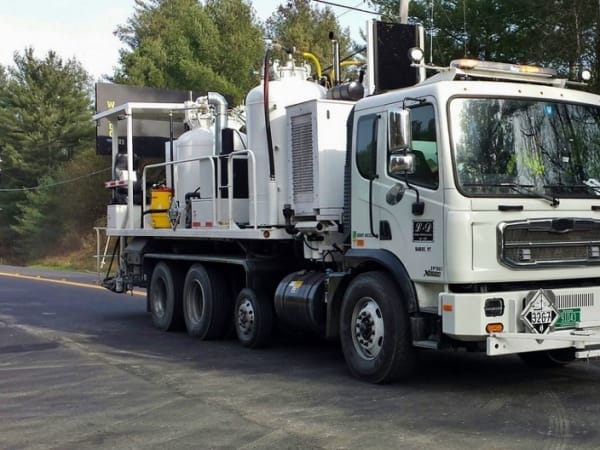
Autocar today: The ACMD is a Class 7 truck. Shown is a paint striper, but each ACMD can be custom-engineered to serve in almost any vocation.
Photo: Autocar
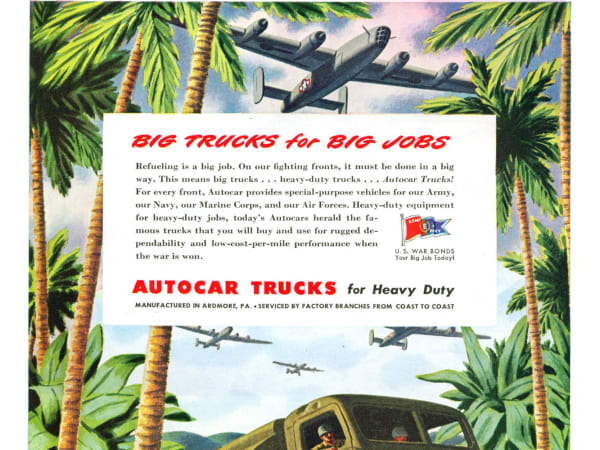
World War II Autocar Truck in advertising.
Photo: Autocar