





Related: Safety Board Calls for Action on Collision Avoidance Systems
Senate Bill Calls for Hourly Pay for Truck Drivers
A new Senate bill calls for truck drivers to be paid by the hour and would increase minimum insurance levels, mandate collision avoidance systems and speed limiters, and study the effects on safety of truck drivers having to drive hours just to get to the start of their workday.
July 13, 2015

Among other things, the bill calls for a look at the safety effect of long commutes before a driver even starts his day.
3 min to read
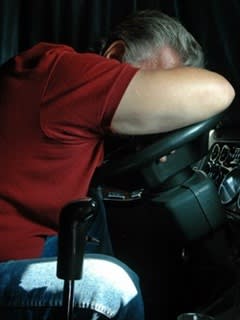
Legislation introduced late Friday in the U.S. Senate calls for truck drivers to be paid by the hour and would increase minimum insurance levels, mandate collision avoidance systems and speed limiters, and study the effects on safety of truck drivers having to drive hours just to get to the start of their workday.
The Truck Safety Act (S. 1739) was introduced by Sen. Cory Booker (D-NJ), the top Democrat on the Senate Commerce Committee’s Subcommittee on Surface Transportation and Merchant Marine Infrastructure, which has jurisdiction over truck safety.
“Truck drivers work extremely long days to deliver the goods we depend on and keep our economy moving, but too often this comes at the expense of their safety and the safety of other drivers,” Booker said. “We can significantly reduce the number of accidents on our nation’s highways by harnessing new technologies, and better protect victims of truck accidents by raising insurance minimums for trucks that haven’t changed in over 30 years."
Truck Safety Act provisions include:
Minimum Insurance – Would up the minimum levels of insurance carriers must have from $750,000 to $1.5 million. The bill also would increase insurance levels to keep pace with inflation.
Collision Avoidance Systems – Would require a rulemaking for commercial motor vehicles to have crash avoidance systems, such as forward collision warning systems and lane departure warning systems.
Speed Limiting Devices – Would require the Secretary of Transportation to finalize regulations requiring commercial motor vehicles to have speed limiting devices to prevent speeding. The American Trucking Associations has been calling for such devices for some time, while the Owner-Operator Independent Drivers Association opposes them.
Driver Compensation – Would require the Secretary of Transportation to mandate that employers compensate truck drivers for hours worked.
Excessive Commuting – Would require a study on the effects of excessive commuting. There are concerns that far too often, truck drivers commute several hours to and from their base of operation.
Many of these provisions appear to address the highly publicized crash last year that seriously injured comedian Tracy Morgan and killed another passenger, in which a Walmart truck slammed into their vehicle from behind on the New Jersey Turnpike. The driver reportedly had been awake for more than 24 hours but was still within his legal driving hours as recorded on electronic logs.
Safety advocacy groups praised the bill. In a joint statement Friday addressing the different trucking bills in the Senate, Advocates for Highway and Auto Safety, the Truck Safety Coalition, Parents Against Tired Truckers, Citizens for Reliable and Safe Highways and the Consumer Federation of America said the bill "will move the bar to advance commercial motor vehicle safety.
"With total tonnage of truck freight shipments predicted to increase by as much as 63 percent by 2040, requiring advanced crash avoidance technology in trucks is crucial," the groups noted, also praising the speed limiter requirement.
More Drivers

Truck Drivers Need More Than Another Alert
Fleets have more visibility into truck health, safety events, and driver activity than ever. The next challenge is turning all that information into useful guidance for the person who has to decide what to do next.
Read More →
FMCSA Removes 110 Truck Driver Training Schools from Certified ELDT List
Federal regulators also are targeting more than 160 additional training providers and launching a nationwide audit of third-party CDL skills testers as part of a broader crackdown on trucking fraud.
Read More →
Hours of Service Pilot Programs: FMCSA Readies for 2027 Rollout
Two pilot programs could eventually reshape hours-of-service rules, giving truck drivers options to pause their 14-hour clock or use longer split sleeper rest periods.
Read More →
Medical Cards, English Proficiency Reshape Roadcheck Violations
Medical-card violations jumped to the top of the driver out-of-service list during CVSA’s 2026 International Roadcheck, while English-language proficiency violations appeared among the leading violations for the first time.
Read More →
Driver Trust Can Make or Break the Success of Fleet Safety Technology
New Teletrac Navman research suggests that onboarding, transparency about driver data, and positive feedback can play a significant role in how commercial drivers respond to safety and coaching technology.
Read More →
EEOC Sues KLLM Over Alleged Sex Discrimination in Driver Training
KLLM is facing a federal sex-discrimination lawsuit over policies the EEOC alleges put female truck driver trainees at a disadvantage.
Read More →
FMCSA Moves to Codify English Language Requirements for Commercial Drivers
By changing regulations on English-language proficiency requirements for commercial drivers, rather than relying on a guidance memo, the FMCSA said future administrations won't be able to walk back the Trump administration's stricter enforcement with just a memo.
Read More →
Drivers Put Western Star Trucks to the Test at Star Nation Experience
Watch to get an inside look at the Western Star trucks, technology, and community behind the Star Nation Experience 2026!
Read More →
Trump Administration Looks to Put More Veterans Behind the Wheel
The Freedom Haulers program pulls together existing and expanded programs at several federal agencies to recruit veterans to drive commercial heavy-duty trucks and cut the red tape for them to get a CDL, training, and employment.
Read More →
Putting Mack’s Command Steer to the Test
A test drive of Mack’s Command Steer active steering system evaluates how it can make truck driving easier and less tiring.
Read More →