




ESW CleanTech Buys Cleaire
Diesel emissions control company ESW CleanTech has acquired the assets and product line of Cleaire Advanced Emissions Controls LLC, which ceased operations earlier this year.
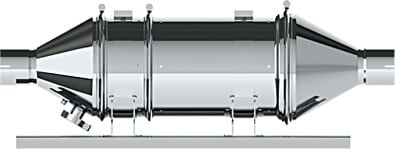
The Cleaire LongMile filter was blamed for forest fires.
Diesel emissions control company ESW CleanTech has acquired the assets and product line of Cleaire Advanced Emissions Controls LLC, which ceased operations earlier this year.

The company had provided aftermarket emissions retrofits to help truck owners meet California emissions regulations.
Cleaire ceased operations Jan. 18, after brush fires caused by sparks from its diesel particulate filters led to expensive recalls. The sparking and fire-starting was linked to a metal substrate in Cleaire's LongMile filters.
Washington officials blamed the 2011 3,500-acre Monastery Fire in 2011 on a Cleaire filter aboard a truck, causing $5.4 million in damage.
Since Cleaire shut down in January, the California Air Resources Board has been working with owners, installers, and distributors of Cleaire products to provide continued support for their systems.
ESW CleanTech says it's committed to providing technical and warranty support to Cleaire customers for their Cleaire products. ESW CleanTech will also remove all remaining original metal cores from LongMile systems.
ESW CleanTech has established a Cleaire Product Support line at 1-800-398-6105.
The asset acquisition and assumption of certain limited liabilities was consummated for a purchase price of $1.4 million plus a portion of gross profit realized on a certain purchase order.The company has established a new wholly owned Subsidiary, ESW CleanTech Inc., a Delaware corporation, which will house the acquired assets. ESW CleanTech will operate out of San Diego.
More Fuel Smarts
Lessons Learned About Alternative Fuels: Start Small, Stay Flexible
Practical advice on adopting alternative fuels and ZEVs from HDT's 2026 Top Green Fleets, from renewable diesel and natural gas to electric trucks.
Read More →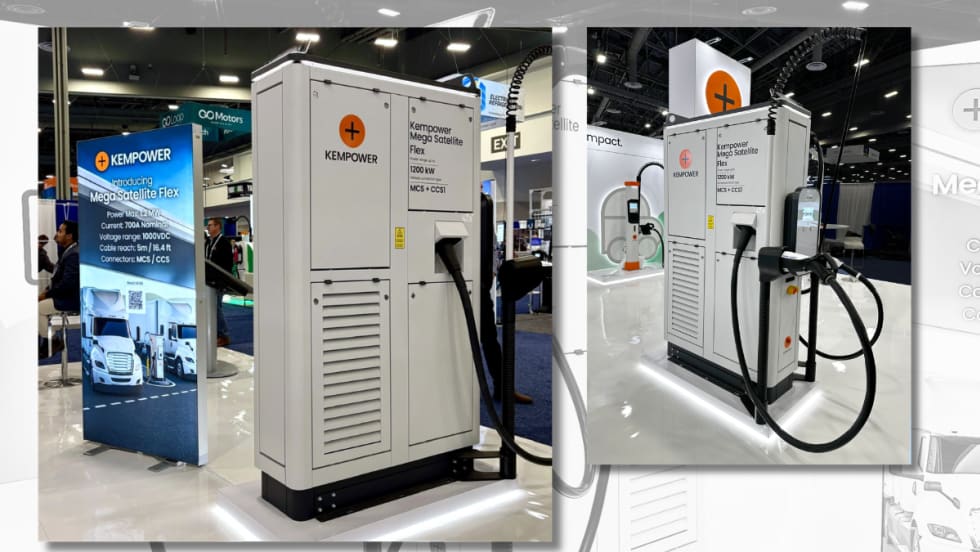
Kempower Adds Flex EV Charger to Help Support Transition to Megawatt Charging
The Kempower Mega Satellite Flex has both a CCS and MCS connector, allowing operators to serve both types of heavy-duty vehicles.
Read More →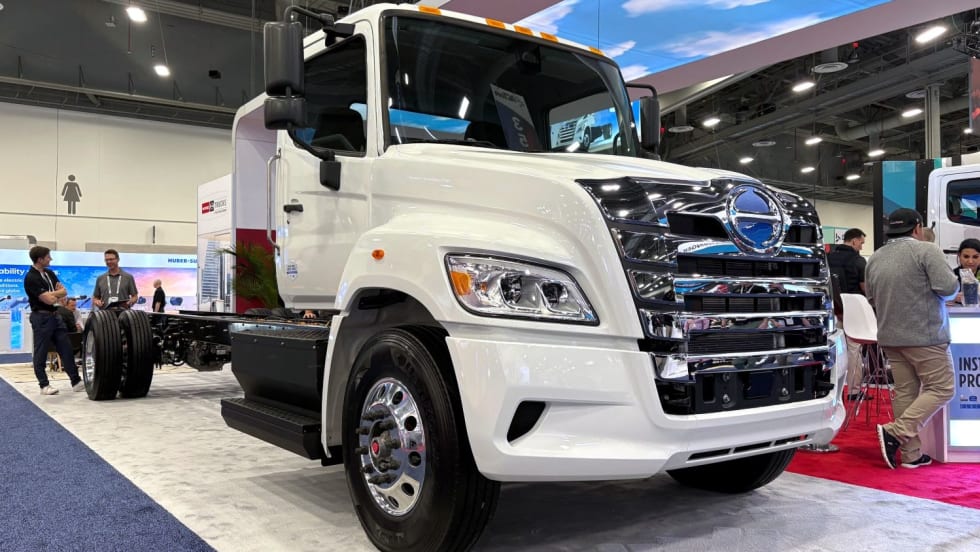
Hino Adds Electric Class 6/7 Truck
Hino says the Le Series is an important step in the company's efforts to reduce environmental impact and support its customers’ sustainability goals.
Read More →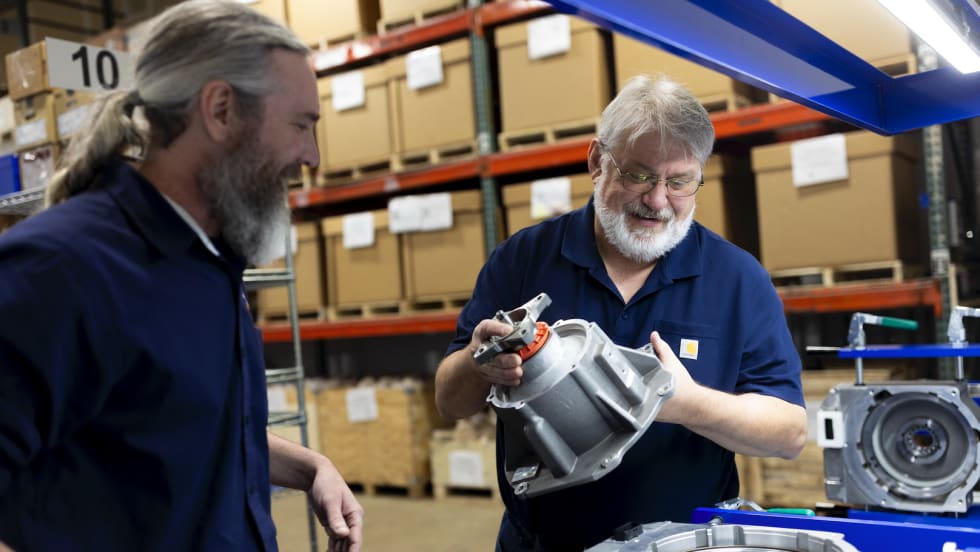
Can Multi-Speed EV Transmissions Solve Heavy Trucking’s Biggest Electric-Vehicle Problems?
A startup called Sigma Powertrain believes purpose-built multi-speed gearboxes can boost efficiency, reduce battery size and improve gradeability for heavy-duty battery-electric trucks.
Read More →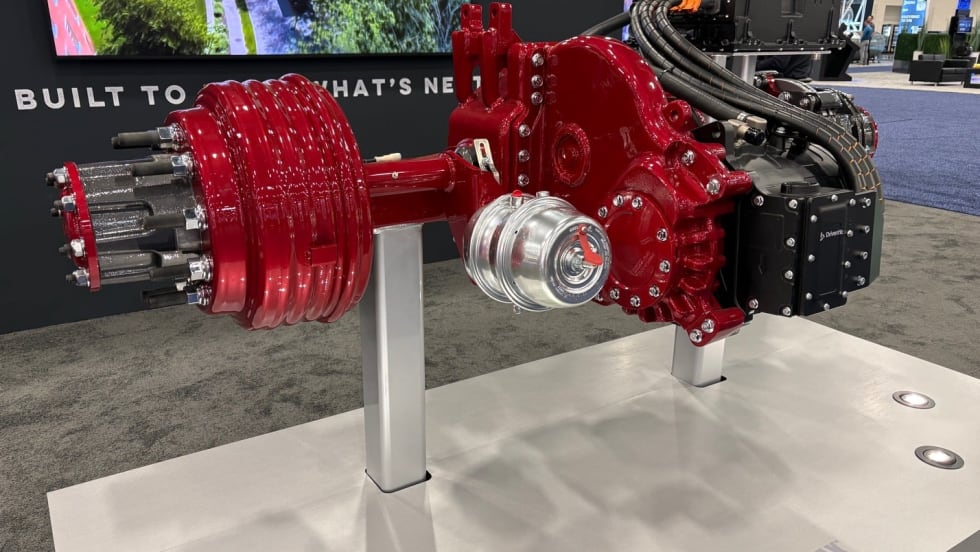
Hendrickson Debuts Electraax E-Axle for Medium-Duty Trucks
Developed with Driventic, Hendrickson's new integrated e-axle is designed to improve efficiency, reduce weight, and extend range in Class 6-7 EV applications.
Read More →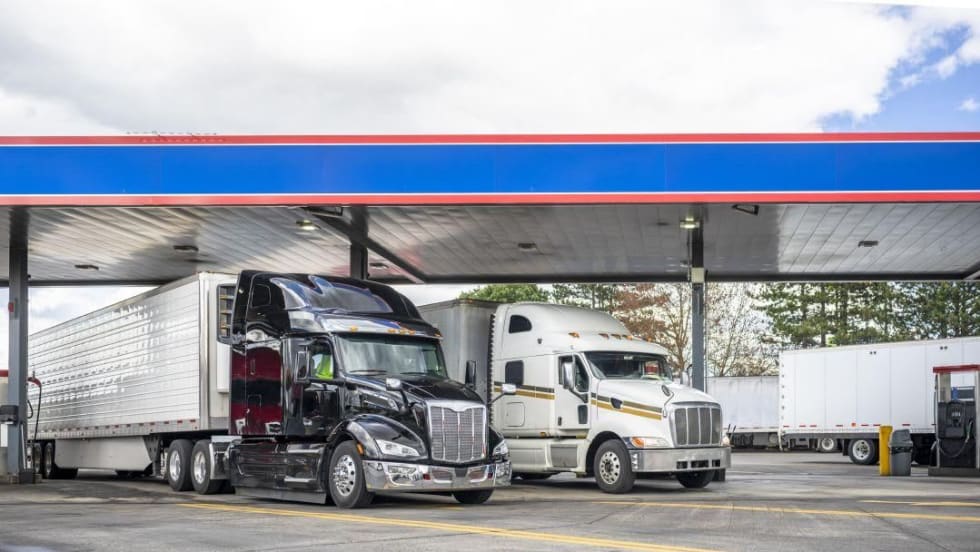
50 Ways Fleets Can Cut Fuel Costs Now — Without Buying New Trucks
Fuel savings don’t come from one big change. They come from dozens of small ones. Here’s how leading fleets are stacking gains across drivers, routing, maintenance, and more.
Read More →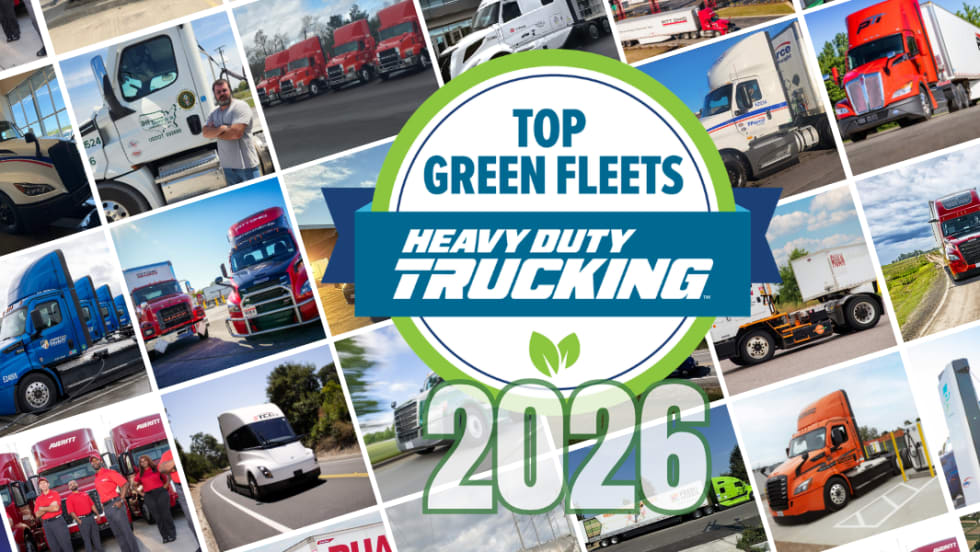
Top Green Fleets 2026: How Fleets Are Reducing Emissions in the Real World
What works in sustainable trucking today? Heavy Duty Trucking's Top Green Fleets are finding practical ways to cut fuel use, reduce emissions, and keep freight moving.
Read More →
California Launching $1 Billion Electric Truck Rebate Program
CARB says the California Clean Fuel Reward program will begin offering point-of-sale rebates of up to $120,000 for electric commercial trucks starting June 26.
Read More →
Mack Unveils EPA 2027-Compliant MP13 Engine With More Power, Better Fuel Economy
Along with unveiling its EPA 2027-compliant MP13 engine, Mack outlined powertrain changes across its Class 6-8 lineup, including new Cummins-based X10 engines.
Read More →
How Volvo’s New D13 Engine Meets EPA 2027 Emissions Without Sacrificing Power or Fuel Efficiency
Volvo says advances in combustion and aftertreatment helped its new EPA 2027 D13 engine avoid the fuel-economy penalties many once expected from tighter NOx emissions limits.
Read More →