




EPA Targets Gasoline Emissions, Fuel Quality
The Environmental Protection Agency is proposing new emission standards for cars and light trucks, and lower sulfur content in gasoline. The Tier 3 standards, as they are called, would be phased in starting 2017. They would cover cars, light-duty trucks, medium-duty passenger vehicles and some heavy-duty vehicles.



The Environmental Protection Agency is proposing new emission standards for cars and light trucks, and lower sulfur content in gasoline.
The Tier 3 standards, as they are called, would be phased in starting 2017. They would cover cars, light-duty trucks, medium-duty passenger vehicles and some heavy-duty vehicles.
EPA aims to cut non-methane gases and nitrogen oxides as well as particulate matter in order to reduce the harmful effects of pollution.
It says that by 2030 the standards would prevent between 820 and 2,400 premature deaths per year, among other benefits. The annual savings would be between $8 billion and $23 billion, the agency says.
The agency’s estimate of the cost is about a penny per gallon of gasoline.
Petroleum suppliers say the cost will be considerably higher. The rule will increase refiner’s costs and raise the price of fuel by as much as 9 cents per gallon, said Bob Greco, Downstream Group Director of the American Petroleum Institute in a statement.
He also said the rule will have little or no environmental benefit.
Trucking interests do not expect the rule to have much affect on the industry.
“We don’t see the Tier 3 Rule as having a big impact on our fleet operations but it may possibly result in a slight increase in fuel costs for those light-duty trucks that consume gasoline,” said Glenn Kedzie, vice president and energy & environmental affairs counsel at American Trucking Associations in an email.
Trucking used almost 15 billion gallons of gasoline in 2012, he said. That’s less than half the annual amount of diesel burned by trucks, according to several sources.
ATA supports cleaner fuels, Kedzie added.
“ATA is on record calling out for all fuels to be cleaned up to help improve the nation’s air quality,” he said. “Cleaner air benefits all entities regulated, including stationary and mobile sources.”
Trucking already has been through the process of taking sulfur out of diesel fuel. Through a multi-year effort, refiners reduced sulfur content to the EPA-required level of 15 parts per million in 2010, although in reality it’s closer to 3 – 5 ppm, Kedzie said.
“Trucking survived the transition to clean diesel and those vehicles that will be impacted by the Tier 3 Rule will transition as well,” he said.
EPA’s proposal will bring national gasoline standards to the same level as those in California.
More Fleet Management
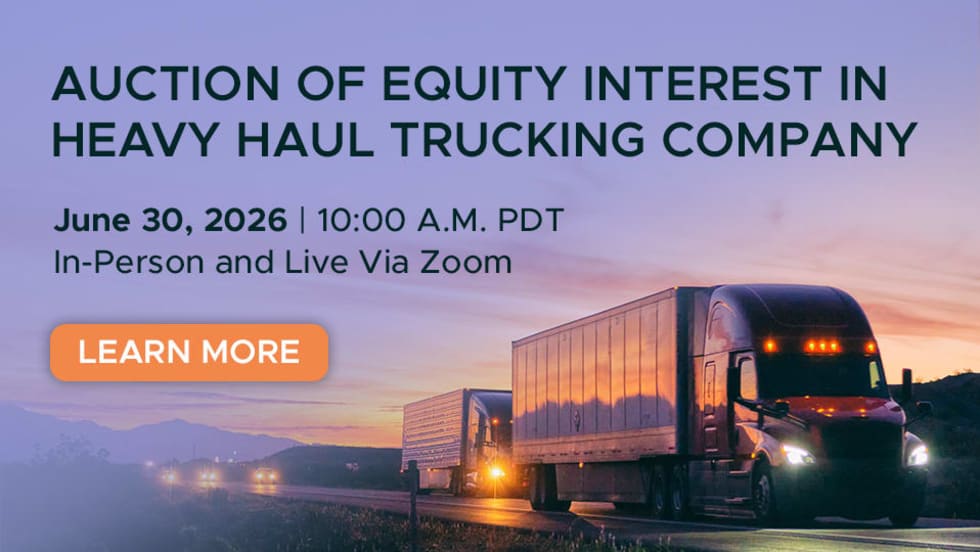
AUCTION OF EQUITY INTEREST IN HEAVY HAUL TRUCKING COMPANY!!
Mark your calendar: June 30, 2026 (10:00 a.m. PDT). MagnaTrans, LLC, a California limited liability company doing business as Magna Transportation Group is going to auction! Bid on a 37.5% ownership interest in this Rancho Cucamonga-based heavy haul and over-dimensional trucking company operating across California, Oregon, and Arizona. The equity interest will be sold to the highest bidder or bidders under Article 9 of the Uniform Commercial Code at 10:00 a.m. PDT.
Read More →
Volvo Trucks Adds Unattended Over-the-Air Software Update Capabilities
The latest evolution of Volvo’s over-the-air update technology allows software updates to run while trucks are parked, helping fleets keep vehicles current without disrupting operations.
Read More →
How Waste Connections is Using Data, Telematics, and AI
How do you manage and maintain more than 18,000 connected trucks? Data. Lots of it.
Read More →
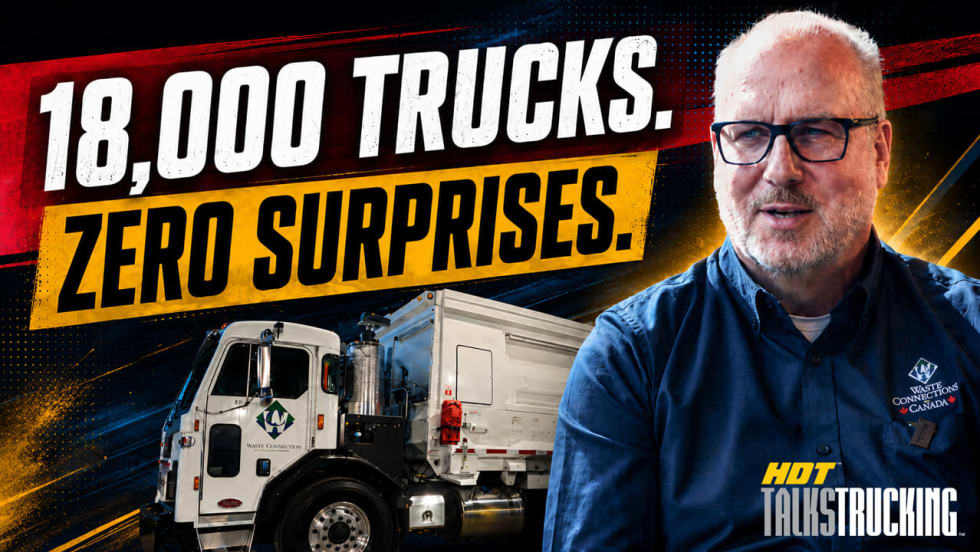
Why Fleet Data Matters More Than Ever at Waste Connections [Watch]
Waste Connections' Chuck Palmer explains how telematics, predictive maintenance, safety analytics, and AI help keep vehicles on the road and drivers safe in this episode of HDT Talks Trucking.
Read More →
NMFTA Launches Free, Anonymous Cybersecurity Threat Report Portal
Organizations are encouraged to anonymously report freight fraud, cargo crime, and cyber threats while gaining visibility into incidents reported across the transportation sector.
Read More →
AI Can Optimize a Fleet. Can It Replace Human Judgment?
Fleets fear falling behind if they don’t adopt AI quickly enough. They also fear what happens if the technology makes the wrong decision.
Read More →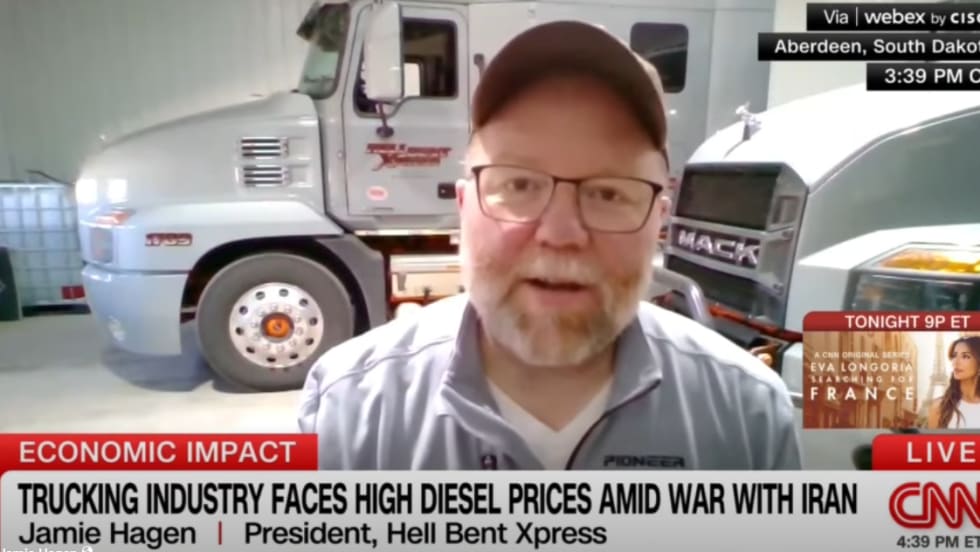
Jamie Hagen Gets Real About Running a Small Fleet in an Uncertain Economy
Small fleet owner Jamie Hagen says new legal risks, volatile fuel prices, and a changing freight market are forcing small carriers to rethink how they operate — and what they can afford.
Read More →
Jamie Hagen Gets Real About Freight, Fuel Prices, Safety, and Small-Fleet Survival
Running a small trucking fleet right now isn’t easy, especially right now. And Jamie Hagen doesn’t sugarcoat it.
Read More →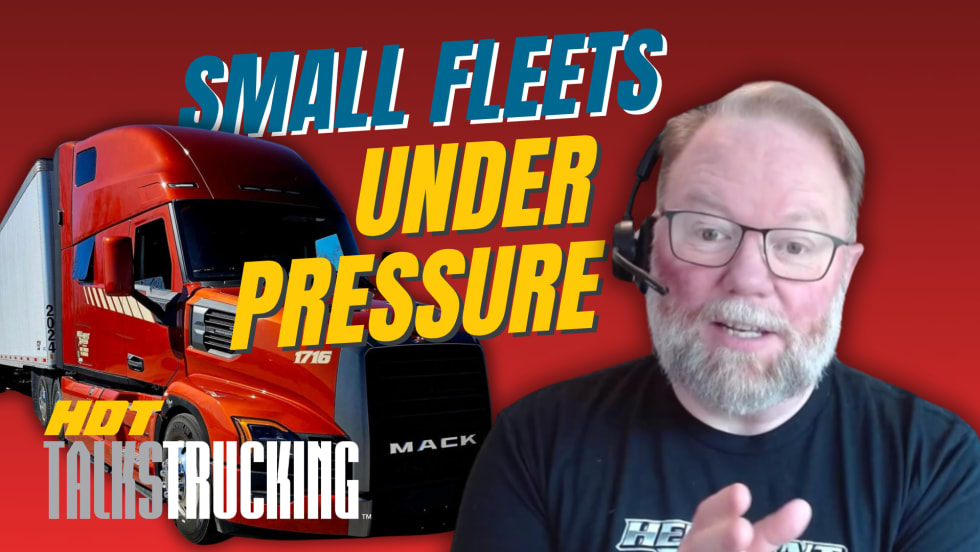
Jamie Hagen Gets Real About Freight, Fuel Prices, Safety, and Small-Fleet Survival
Running a small trucking fleet right now isn’t easy, especially right now. And Jamie Hagen doesn’t sugarcoat it.
Read More →
Data Lock‑In or Integration Lock‑Out?
Data fragmentation is costing dealerships, OEMs, fleets, and upfitters millions. Here’s why interoperability may be the fix the trucking industry needs.
Read More →