




'Hot' Trucks May Be A Chronic Problem
State troopers in Indiana have developed innovative law enforcement solutions to take bad food loads off the road, before they make it to market. Yesterday, Truckinginfo reported that Indiana State Police have been citing a high number
State troopers in Indiana have developed innovative law enforcement solutions to take bad food loads off the road, before they make it to market.
Yesterday, Truckinginfo reported that Indiana State Police have been citing a high number of trucks transporting food at dangerous and illegal temperatures. The program to intercept spoiled loads is an innovative program by state police created in a response to an accidentally discovered problem.
"Every summer it seems we have occasion to do on a vehicle with refrigeration, and we noticed there were many problems," said Captain Wayne Andrews, assistant division commander of Commercial Vehicle Enforcement with the Indiana State Police.
It started, he said, with troopers pulling over trucks for other violations, or sometime random checks. In the course of a vehicle inspection, the trooper would find the truck transporting perishable food in summer weather with malfunctioning, or even absent, refrigeration units.
However, a reefer unit being out-of-service is not a violation in itself, and state police lack the authority to do perform a food inspection. That's health inspector territory.
"We think it was a big loophole for these guys," said Andrews.
After spotting the problem, Andrews helped organize a partnership last summer with the Indiana State Department of Health to enforce regulations that require food to be transported at 41 degrees or lower. When a trooper finds a suspected violation, he notifies health inspectors who can make an official judgment.
After some success last year, the program became more organized this summer. When troopers stop a suspected 'hot truck', he uses a laser temperature gauge normally used for testing brake temperature. If it gets a high reading, he makes a phone call to health inspectors.
Trends have been noticed. All of the violators are smaller delivery trucks from smaller operations (no Tyson trucks have been cited), and a high number are carrying ethnic food, such as a Chinese and Mexican food items. Andrews suspects this is because the nature of the food requires smaller trucks and operations.
A majority of inspections, about 70% according to Andrews, are secondary to another violation. But the remaining 30% are random safety inspections.
"It's not rampant," Andrews said. "But enough to continue [the inspections]"
A bigger problem?
It looks as if the Indiana State Police is the first police force to organize an enforcement partnership to make these sorts of citations. That raises the question: Could it be happening in other states as well? Andrews thinks so.
"In places that are much hotter [than Indiana], it is probably happening there, too," he said.
That's why next year the state police are considering a pilot program to formalize food safety enforcement on the highway. Currently, the police are collecting data and trying to decide what step to take next.
In the meantime, the Commercial Vehicle Safety Alliance has been alerted of the situation, and is gathering information on the issue more broadly. The effort could potentially lead to new rules, but whatever the ultimate outcome, Andrews will keep working hard.
"When you find a hole," he said, "you can either ignore it, or try to fix it."
More Safety & Compliance

How Waste Connections is Using Data, Telematics, and AI
How do you manage and maintain more than 18,000 connected trucks? Data. Lots of it.
Read More →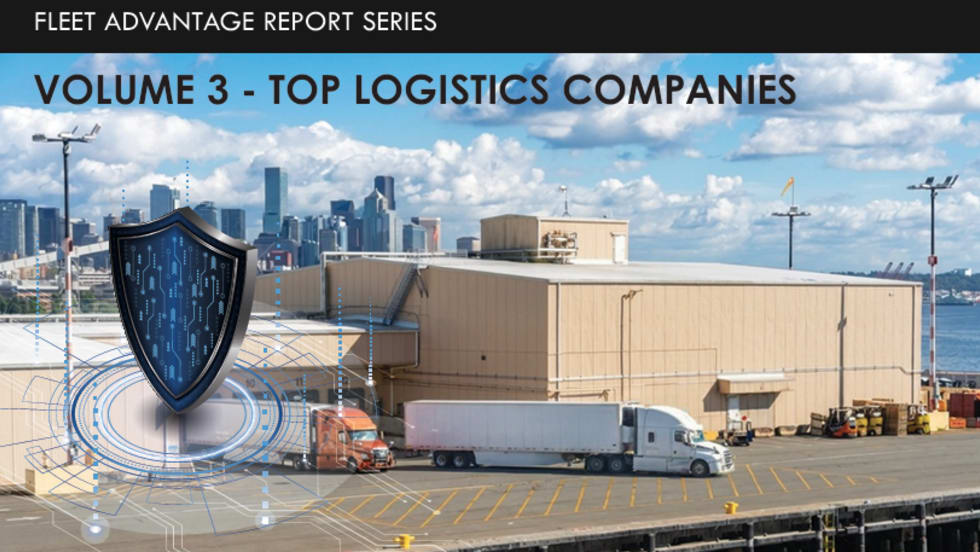
Fleet Advantage: Top Logistics Fleets Outperform National Safety Benchmarks
Fleet Advantage's latest TRUST Safety Index found leading logistics fleets maintained significantly lower out-of-service rates and stronger safety scores than national averages, while highlighting persistent challenges related to tires, brakes, and unsafe driving behaviors.
Read More →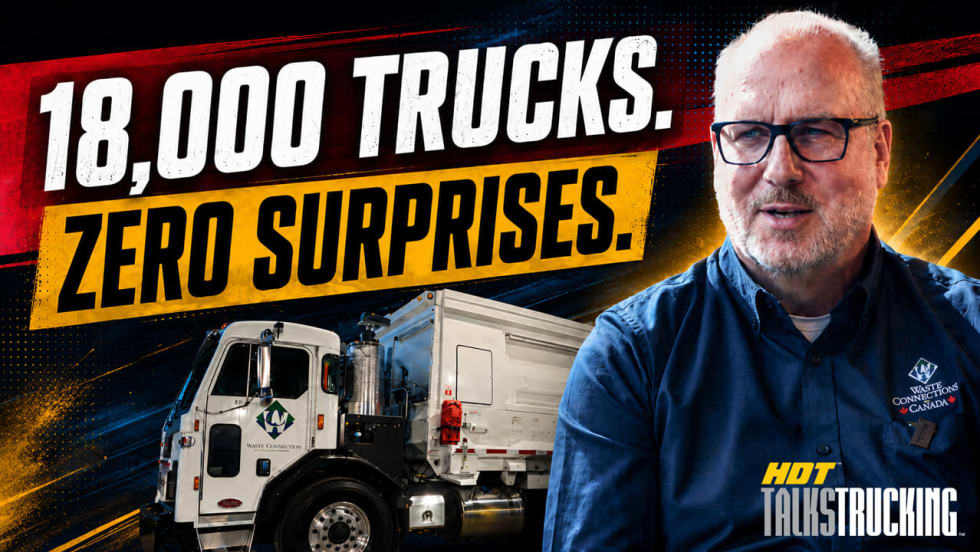
Why Fleet Data Matters More Than Ever at Waste Connections [Watch]
Waste Connections' Chuck Palmer explains how telematics, predictive maintenance, safety analytics, and AI help keep vehicles on the road and drivers safe in this episode of HDT Talks Trucking.
Read More →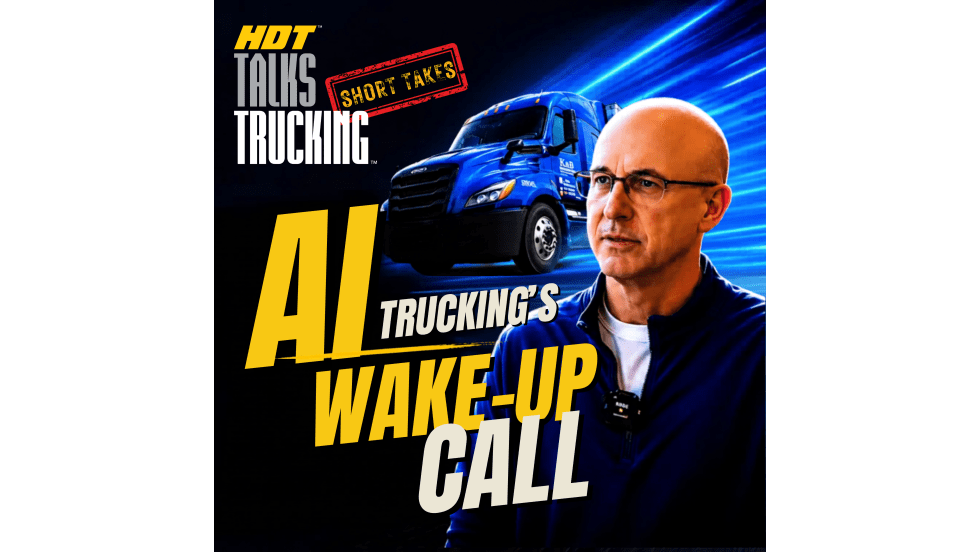
Short Takes: How K&B is Using AI
Fleets need to "get on board the train" with AI, says Lance Evans of K&B Transportation in this HDT Talks Trucking Short Takes episode.
Read More →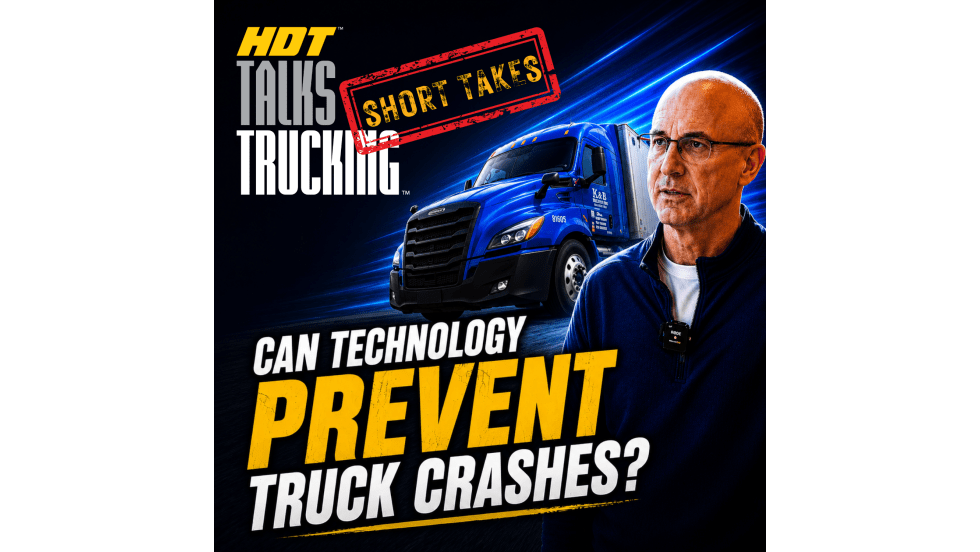
Short Takes: Inside K&B’s Truck Safety Tech
Listen to learn how K&B Transportation uses cellphone-blocking technology, speed management systems, weather geofencing, bridge avoidance tools, and more to improve driver safety.
Read More →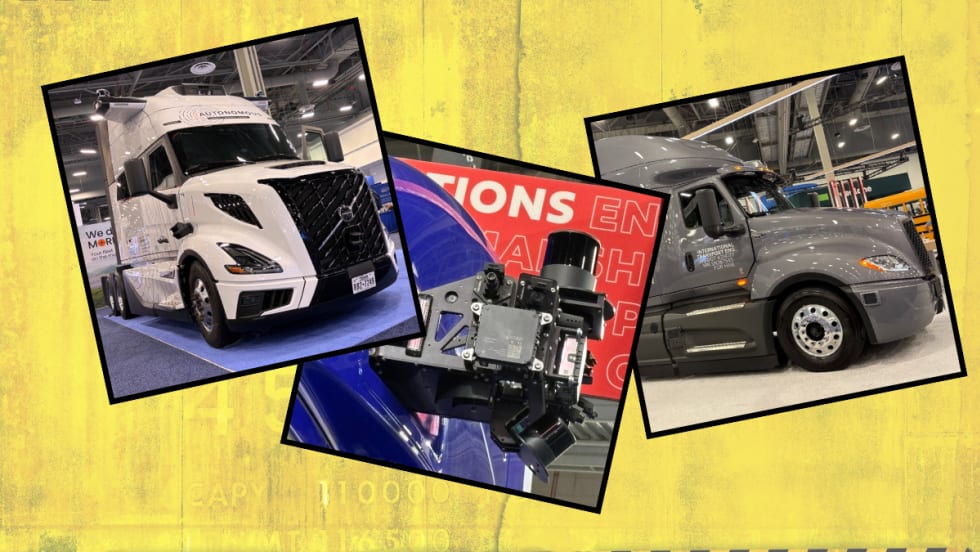
The Biggest Gap in Driverless Trucking Isn’t Tech. It’s Safety Validation
Nauto’s Stefan Heck says autonomous trucks are advancing quickly but proving they’re safe enough for large-scale deployment may be the industry’s hardest challenge.
Read More →
Truck Crash Rates Are Down. So Why Do Insurance Costs Keep Rising?
ATRI’s latest research points to litigation, social inflation, and soaring claims costs as key drivers behind record-high liability premiums for trucking fleets. But there are things motor carriers can do.
Read More →
FMCSA Removes More Than a Dozen ELDs from Registered List
The FMCSA continues its efforts to fight electronic logging devices that don't meet federal requirements, removing more than a dozen from the registered ELD list in May.
Read More →
How the Supreme Court Broker Liability Ruling Could Reshape Trucking’s Safety Landscape
The Supreme Court’s May 11 broker-liability ruling may not radically rewrite transportation law overnight. But industry experts say it will intensify pressure on brokers, carriers, and shippers to prove they are prioritizing safety.
Read More →
Recall of Fontaine Fusion Flatbeds Warns Owners Not to Use the Trailers
Some Fontaine Fusion flatbed trailer manufactured between February 2025, and March 2026 could have mainbeams weakened by hydrogen embrittlement because of a problem in the galvanizing process.
Read More →