




2010 Cargo Theft Shows Significant Increase
The first annual cargo theft report from CargoNet shows a significant increase in cargo theft in 2010 compared to 2009, as well as some interesting comparisons. In 2010 there were 1035 cargo theft incidents, a significant increase over 2009, when there were 700 thefts
The first annual cargo theft report from CargoNet shows a significant increase in cargo theft in 2010 compared to 2009, as well as some interesting comparisons. In 2010 there were 1035 cargo theft incidents, a significant increase over 2009, when there were 700 thefts.
In 2010 there was also a rise in cargo theft in certain coastal states. For example, California had 2.4 times more thefts in 2010 than 2009 due, in part, to increased foreign trade between the U.S. and Asia. Texas also had a significant increase in thefts in 2010, which can be attributed to an increase in logistics operations in the state.
Cargo theft is more likely to happen in high cargo concentration areas such as California, the
northeast, Florida and Texas. The number of theft incidents decreases as cargo flows inland along
interstate thoroughfares, although highway rest stops are frequently high-risk areas for cargo, notes the report. High concentration indicates high value and tonnage. For example, three California container ports account for 50% of cargo volume moving through the top 10 ports in the country. There are more cargo theft incidents in California than any other U.S. state annually.
There were some significant differences in the types of commodities stolen. At the depth of the U.S. economic recession in 2009, less cargo was moving so cargo thieves had less to choose from. Figure 9 shows a concentration on six major commodity types as compared with 11 in 2010. Several commodities had a higher percentage of thefts in 2009 than in 2010. Electronics,
which are easily resold, accounted for almost 50% of all cargo thefts -- 32% more than in 2010.
Prepared foodstuffs and beverages were the second most stolen group of commodities in 2009, accounting for 9% of all thefts. Apparel and accessories accounted for 4%. As the economy slowed and disposable income shrank, consumer spending focused on essentials more than discretionary items.
As the economy continued to recover in 2010, we saw a significant increase in retail activity. With greater amounts of shipments headed to stores, cargo thieves took advantage. During that year, a wide array of product types was targeted, and 11 major commodities suffered sizable loss. Five categories accounted for 53% of cargo thefts that year: electronics at 17%; apparel and accessories at 10%; prepared food and beverages at 13%; base metals at 7%; and plastics and rubber products at 6%.
While pharmaceuticals only made up 3% of the loads stolen in 2010, the dollar value of pharmaceuticals stolen was greater than the value of the most-targeted category, electronics.
CargoNet identified a "weekend pattern" to cargo theft incidents by days of the week in 2010. In
2010, significantly more cargo theft incidents happened over a weekend period (Friday, Saturday,
Sunday and Monday) than during the week. In order to ship early on Monday morning, trailers are often loaded and parked in terminal yards over the weekend, where they are a target for theft.
The report also concluded that long-distance cargo deliveries (more than 450 miles) are more vulnerable to cargo theft because of the increased number of driver rest and refueling stops at unsecured truckstops or other locations along U.S. highways.
The report is based on details from more than 1,700 incidents that occurred in 2009 and 2010. A division of the ISO Crime Analytics unit of Verisk Analytics, CargoNet helps prevent cargo theft and improve recovery rates through secure and controlled information sharing among theft victims, their business partners, and law enforcement. Crime analysts and subject matter experts manage CargoNet's database and information-sharing system.
You can download the entire report at www.cargonet.com/annual_report/2010.pdf
More Safety & Compliance

How Waste Connections is Using Data, Telematics, and AI
How do you manage and maintain more than 18,000 connected trucks? Data. Lots of it.
Read More →
Fleet Advantage: Top Logistics Fleets Outperform National Safety Benchmarks
Fleet Advantage's latest TRUST Safety Index found leading logistics fleets maintained significantly lower out-of-service rates and stronger safety scores than national averages, while highlighting persistent challenges related to tires, brakes, and unsafe driving behaviors.
Read More →
Why Fleet Data Matters More Than Ever at Waste Connections [Watch]
Waste Connections' Chuck Palmer explains how telematics, predictive maintenance, safety analytics, and AI help keep vehicles on the road and drivers safe in this episode of HDT Talks Trucking.
Read More →
Short Takes: How K&B is Using AI
Fleets need to "get on board the train" with AI, says Lance Evans of K&B Transportation in this HDT Talks Trucking Short Takes episode.
Read More →
Short Takes: Inside K&B’s Truck Safety Tech
Listen to learn how K&B Transportation uses cellphone-blocking technology, speed management systems, weather geofencing, bridge avoidance tools, and more to improve driver safety.
Read More →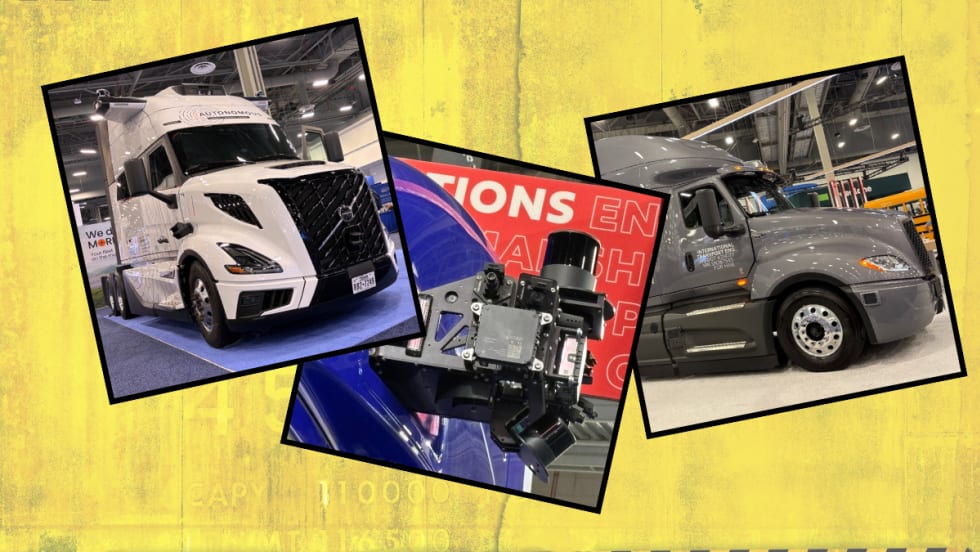
The Biggest Gap in Driverless Trucking Isn’t Tech. It’s Safety Validation
Nauto’s Stefan Heck says autonomous trucks are advancing quickly but proving they’re safe enough for large-scale deployment may be the industry’s hardest challenge.
Read More →
Truck Crash Rates Are Down. So Why Do Insurance Costs Keep Rising?
ATRI’s latest research points to litigation, social inflation, and soaring claims costs as key drivers behind record-high liability premiums for trucking fleets. But there are things motor carriers can do.
Read More →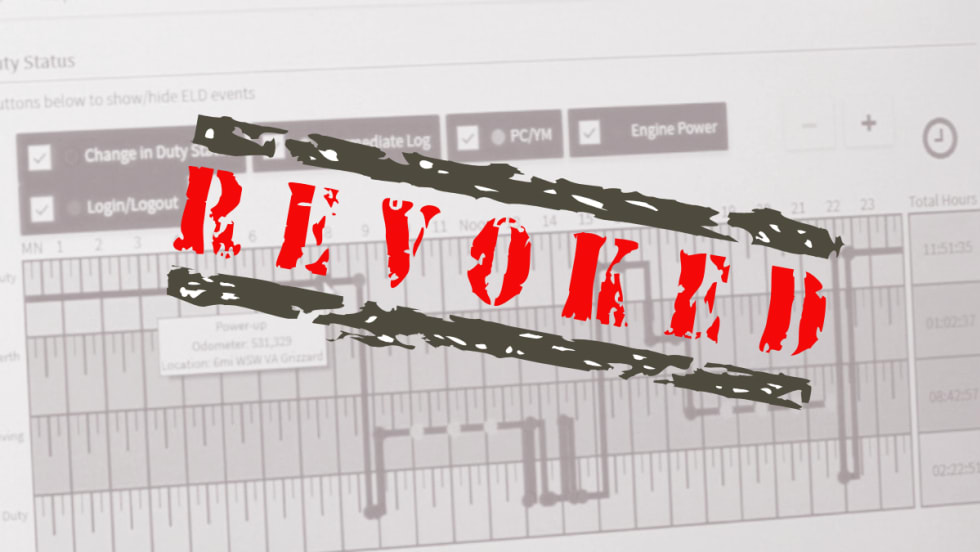
FMCSA Removes More Than a Dozen ELDs from Registered List
The FMCSA continues its efforts to fight electronic logging devices that don't meet federal requirements, removing more than a dozen from the registered ELD list in May.
Read More →
How the Supreme Court Broker Liability Ruling Could Reshape Trucking’s Safety Landscape
The Supreme Court’s May 11 broker-liability ruling may not radically rewrite transportation law overnight. But industry experts say it will intensify pressure on brokers, carriers, and shippers to prove they are prioritizing safety.
Read More →
Recall of Fontaine Fusion Flatbeds Warns Owners Not to Use the Trailers
Some Fontaine Fusion flatbed trailer manufactured between February 2025, and March 2026 could have mainbeams weakened by hydrogen embrittlement because of a problem in the galvanizing process.
Read More →