




Montana To Get Split Speed Limits
A bill giving Montana auto drivers a daytime speed limit for the first time since 1995 is expected to be signed by the governor. The measure specifies lower limits for trucks than for other vehicles
A bill giving Montana auto drivers a daytime speed limit for the first time since 1995 is expected to be signed by the governor. The measure specifies lower limits for trucks than for other vehicles.
Cars and light trucks will have a 75-mph limit on interstate highways day and night, except in urban areas near Billings, Great Falls and Missoula, where the maximum will be 65. For trucks, however, the speed limit will be 65 mph at all times on the interstates.
On two-lane roads, existing speed limits of 60 mph during the day and 55 at night will stay in effect, while cars will be able to drive 70 mph during the day and 65 at night.
The Senate bill originally passed had the same 75-mph limit on interstates for cars and trucks, but the House approved a lower limit. Senators felt it was safer to have all vehicles travel the same speed, but representatives felt that trucks moving at higher speeds result in increased accidents and more severe crashes. The state trucking organization favored the lower speed limit, while the Owner-Operator Independent Drivers Assn. lobbied against what it feels are unsafe split speeds.
The speed limit will take effect May 28.
More Safety & Compliance
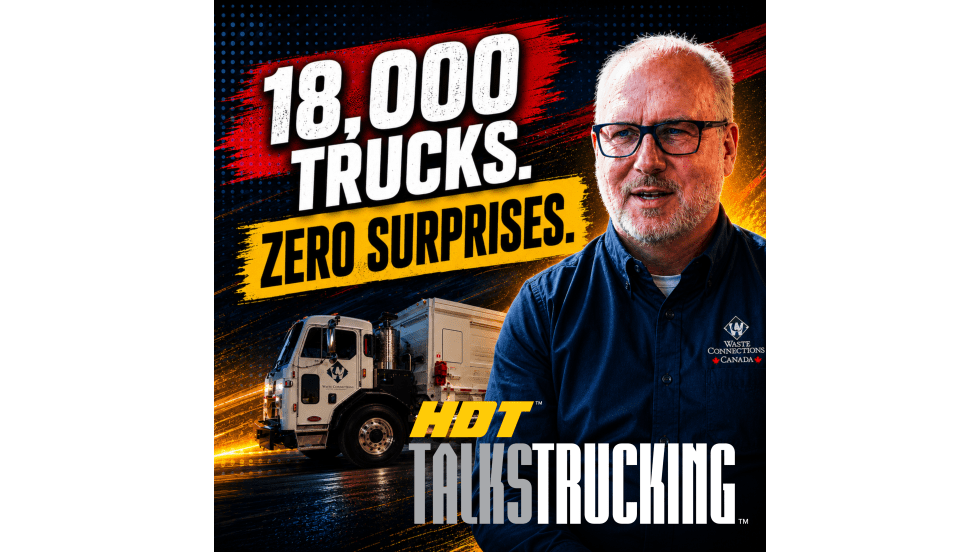
How Waste Connections is Using Data, Telematics, and AI
How do you manage and maintain more than 18,000 connected trucks? Data. Lots of it.
Read More →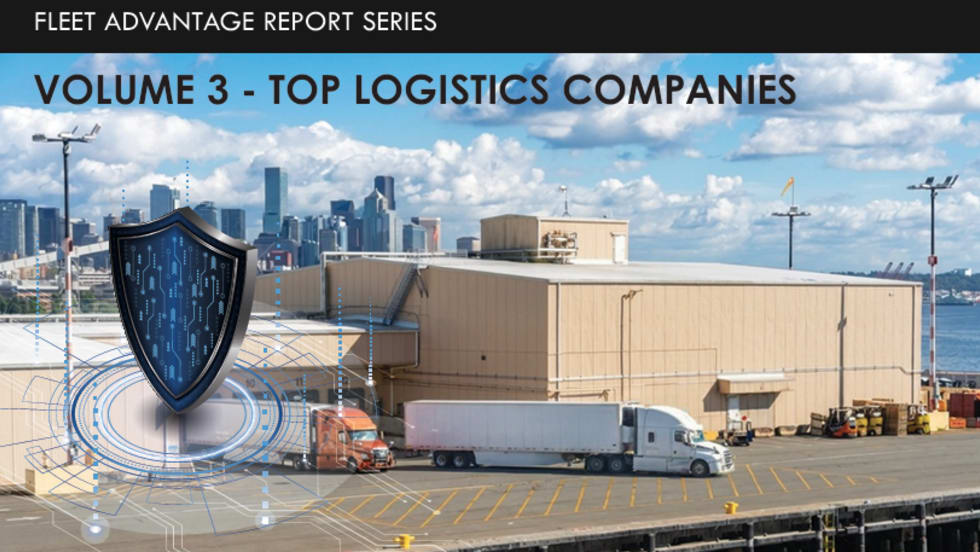
Fleet Advantage: Top Logistics Fleets Outperform National Safety Benchmarks
Fleet Advantage's latest TRUST Safety Index found leading logistics fleets maintained significantly lower out-of-service rates and stronger safety scores than national averages, while highlighting persistent challenges related to tires, brakes, and unsafe driving behaviors.
Read More →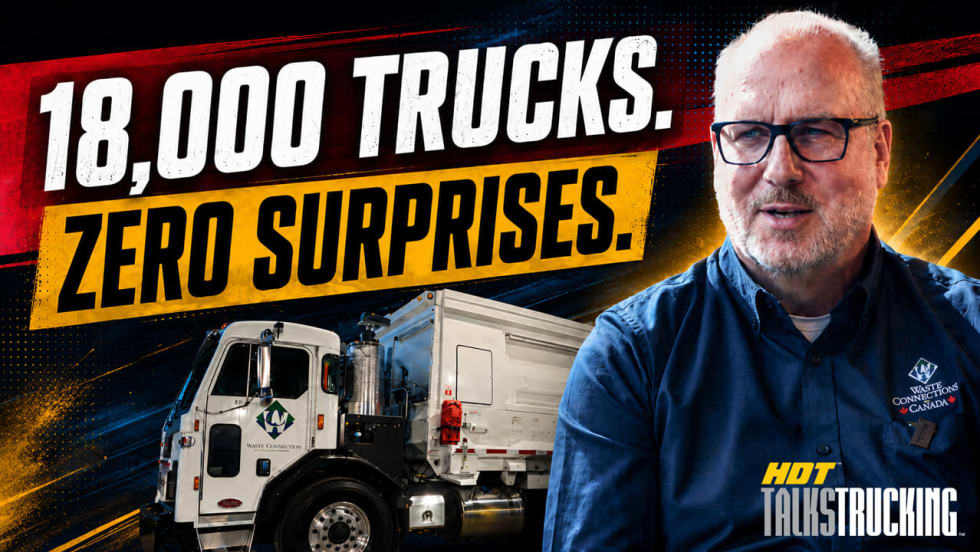
Why Fleet Data Matters More Than Ever at Waste Connections [Watch]
Waste Connections' Chuck Palmer explains how telematics, predictive maintenance, safety analytics, and AI help keep vehicles on the road and drivers safe in this episode of HDT Talks Trucking.
Read More →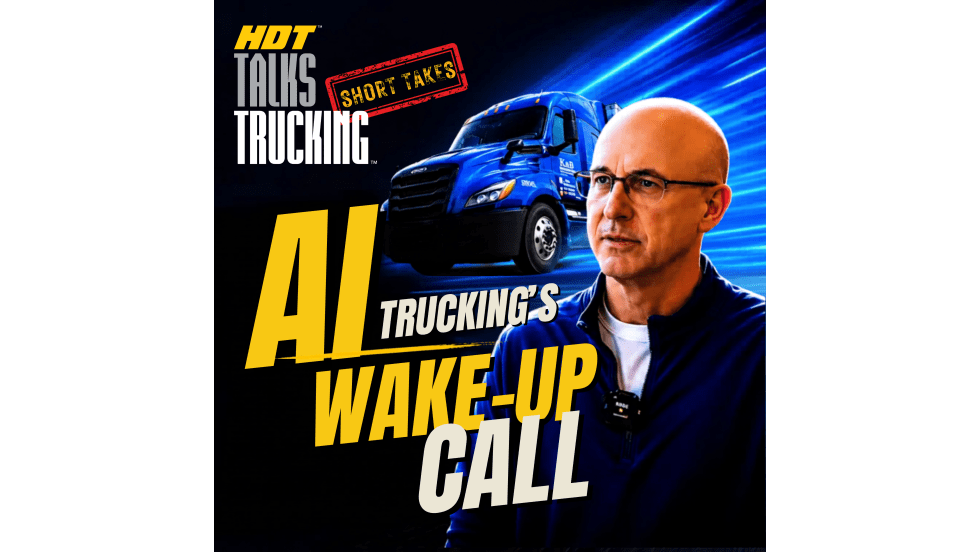
Short Takes: How K&B is Using AI
Fleets need to "get on board the train" with AI, says Lance Evans of K&B Transportation in this HDT Talks Trucking Short Takes episode.
Read More →
Short Takes: Inside K&B’s Truck Safety Tech
Listen to learn how K&B Transportation uses cellphone-blocking technology, speed management systems, weather geofencing, bridge avoidance tools, and more to improve driver safety.
Read More →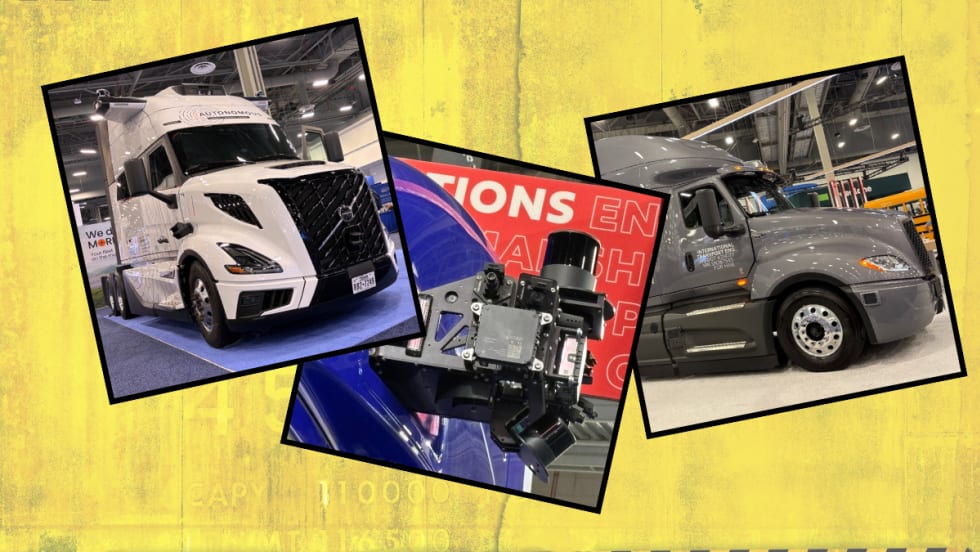
The Biggest Gap in Driverless Trucking Isn’t Tech. It’s Safety Validation
Nauto’s Stefan Heck says autonomous trucks are advancing quickly but proving they’re safe enough for large-scale deployment may be the industry’s hardest challenge.
Read More →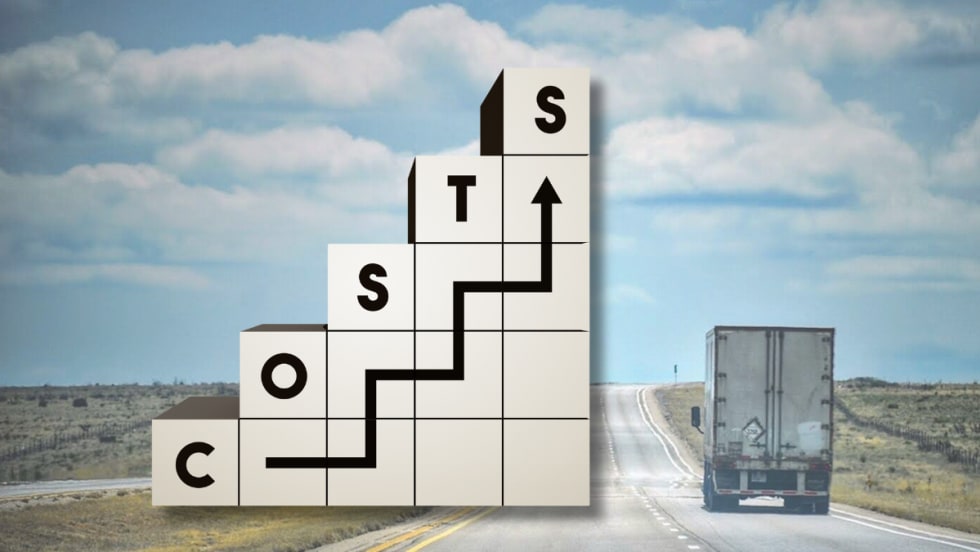
Truck Crash Rates Are Down. So Why Do Insurance Costs Keep Rising?
ATRI’s latest research points to litigation, social inflation, and soaring claims costs as key drivers behind record-high liability premiums for trucking fleets. But there are things motor carriers can do.
Read More →
FMCSA Removes More Than a Dozen ELDs from Registered List
The FMCSA continues its efforts to fight electronic logging devices that don't meet federal requirements, removing more than a dozen from the registered ELD list in May.
Read More →
How the Supreme Court Broker Liability Ruling Could Reshape Trucking’s Safety Landscape
The Supreme Court’s May 11 broker-liability ruling may not radically rewrite transportation law overnight. But industry experts say it will intensify pressure on brokers, carriers, and shippers to prove they are prioritizing safety.
Read More →
Recall of Fontaine Fusion Flatbeds Warns Owners Not to Use the Trailers
Some Fontaine Fusion flatbed trailer manufactured between February 2025, and March 2026 could have mainbeams weakened by hydrogen embrittlement because of a problem in the galvanizing process.
Read More →