




Transport Interests Attack Conservatives’ Highway Bill
A bid by conservatives in the House and Senate to effectively eliminate the federal highway program is drawing fire from American Trucking Associations and other transportation interests.



A bid by conservatives in the House and Senate to effectively eliminate the federal highway program is drawing fire from American Trucking Associations and other transportation interests.
The Transportation Empowerment Act, sponsored by five Senators and 52 Representatives, would devolve control over highways and transit from the federal government to the states.
It also would lower the federal gas tax from 18.4 to 3.7 cents a gallon.
During a five-year transition period, the states would receive federal block grants with fewer federal requirements than are now in place.
On the Senate side, the bill is championed by Ted Cruz, R-Texas, Deb Fischer, R-Neb., Ron Johnson, R-Wisc., and Pat Roberts, R-Kan. Among the sponsors in the House are Reps. John Mica, R-Fla., former chairman of the Transportation and Infrastructure Committee, and Michele Bachman, R-Minn.
Supporters of the bill contend that it would reduce the red tape that can slow up projects, give states more flexibility to levy taxes and create jobs.
ATA and its allies said the bill is “ill-conceived.”
By stripping federal funding from transportation it would virtually eliminate the federal government’s constitutionally mandated role in promoting interstate commerce, the groups said.
Moreover, “The bill reduces funding for the federal-aid highway program by more than 80% by 2019 … with no consideration of the impact on state and local governments or private industry.”
It also would eradicate the federal transit program.
The groups acknowledge that some rules may slow down highway construction projects.
“However, these challenges do not warrant putting the safety of motorists and the health of the nation’s economy at risk by decimating the primary funding program for our nation’s most critical infrastructure,” they say in their letter to Congress.
Another problem with devolution is that the money now in the Highway Trust Fund would simply go away, they add. States would have to replace it by raising tens of billions of dollars in taxes or taking the money from other uses.
If states opted to raise their own fuel taxes, the average levy would go up by 16 cents a gallon and some states would have to go as high as 30 cents, the groups said.
“Devolution represents abandonment by Congress of its constitutional obligation to promote interstate commerce and would prove disastrous to state and local governments’ ability to maintain and improve their transportation systems.”
Devolution is not a solution but a distraction from the ongoing debate over how to pay for national infrastructure, the groups said.
“Congress must act now to avoid prolonging the ongoing funding crisis that is the result of failure to provide long-term stable funding for transportation,” they said.
Joining ATA are 16 national groups, including the U.S. Chamber of Commerce, the American Highway Users Alliance, AAA and the American Society of Civil Engineers.
The federal highway program is now running on a temporary extension that will expire next May. Some in Washington, including Transportation Secretary Anthony Foxx, are urging Congress to complete work on a new bill by the end of the year. But that effort was set back when the House Ways and Means Committee canceled a planned September hearing on transportation finance.
More Fleet Management
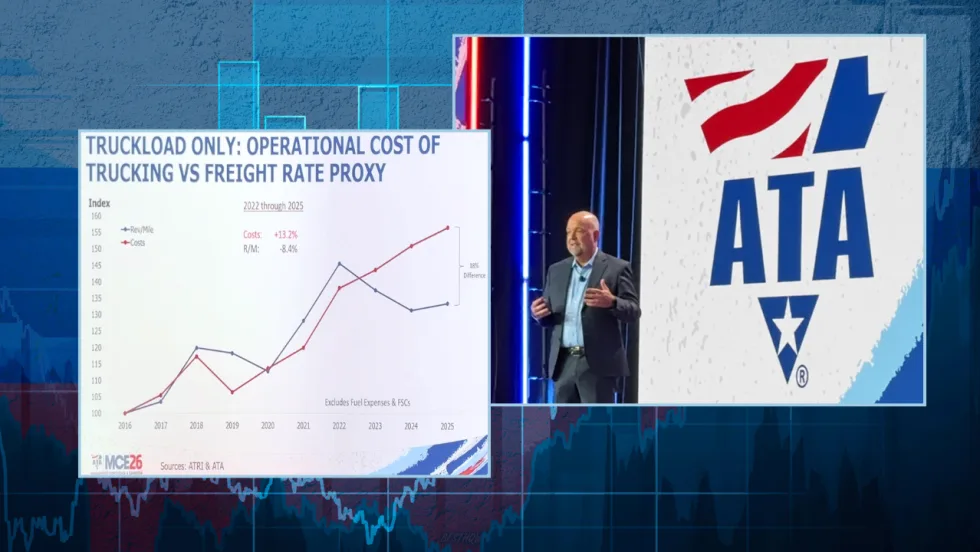
Why This Trucking Recovery Is Different
Freight demand remains sluggish, but rising costs and tougher enforcement have taken enough capacity out of the market to change the outlook for motor carriers.
Read More →
Platform Science Adds Dispatch and Safety Tools
Four additions to PS Fleet help fleets monitor loads, manage driver coaching, share truck locations and adjust video system settings.
Read More →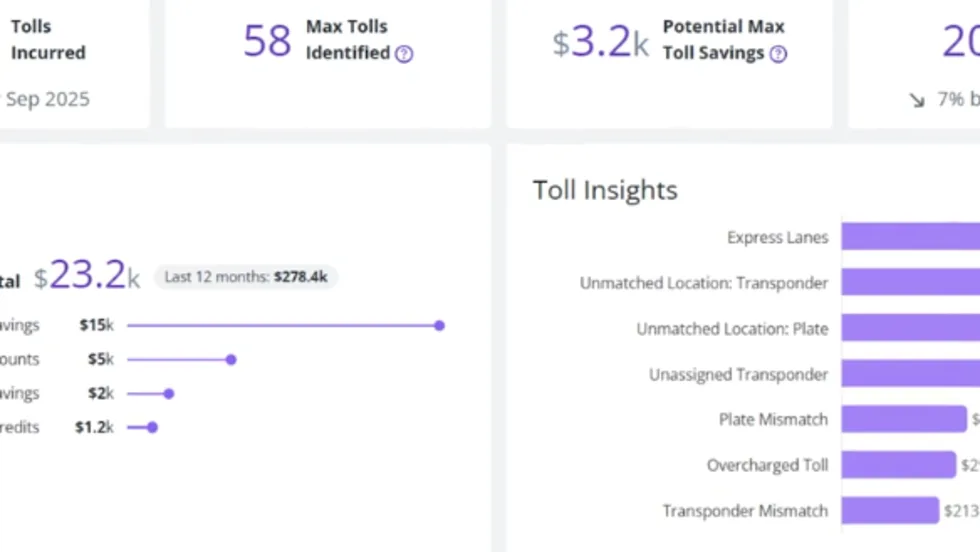
PrePass Intelligence Mines Fleet Bypass, Toll and Safety Data
PrePass Intelligence helps fleets measure bypass savings, flag potential toll overcharges, and spot suspicious transactions by combining data from separate systems.
Read More →
Motive Adds AI Agents for Fleet Operations
New tools automate follow-up on fleet data, from maintenance work orders to driver alerts, with two-way voice conversations planned for later this year.
Read More →
Can You Beat Our Trucking Trivia Challenge?
Test your truck knowledge with 19 trivia questions from Heavy Duty Trucking Exchange. Can you keep up with the fleet pros?
Read More →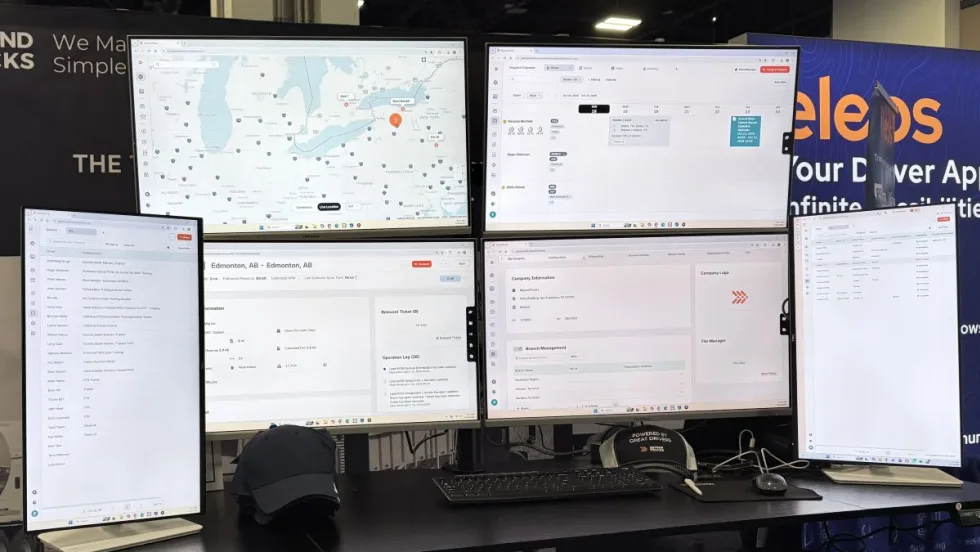
BeyondTrucks Adds Rules Checks to Dispatch
New Compatibility Engine checks driver qualifications, equipment requirements and fleet policies before loads are dispatched.
Read More →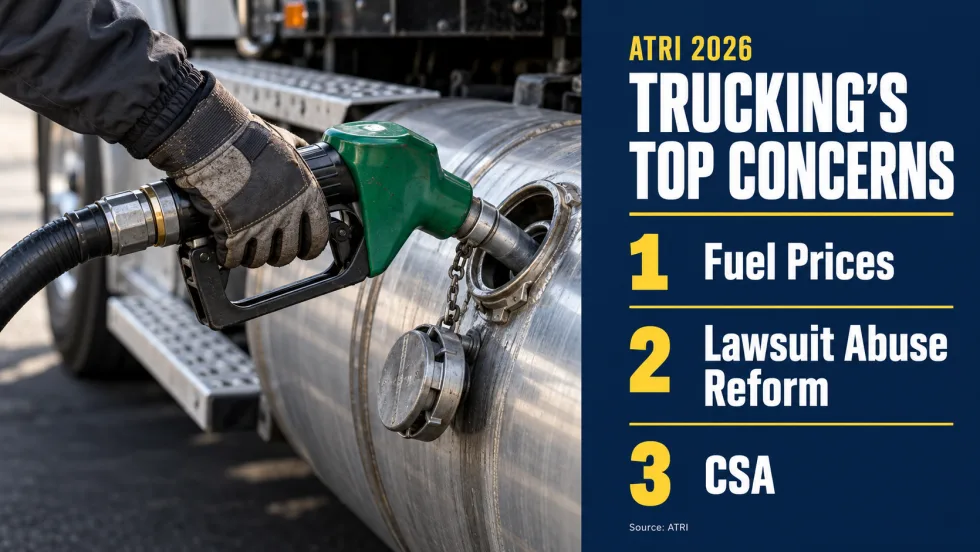
Diesel Prices Hijack Trucking’s Worry List
ATRI’s annual survey finds cautious optimism about freight, but diesel costs, litigation, and insurance continue to squeeze fleets. Drivers have different priorities on several issues.
Read More →
Nomination Deadline Extended for HDT Emerging Leaders
Just a few more days to nominate accomplished trucking fleet professionals under 40 who are making an impact and helping lead the industry forward for the HDT Emerging Leaders award. Deadline extended to October 20!
Read More →
What Will ATA’s New Leader Bring to Trucking's Table?
Incoming President and CEO Mark Colson’s record in Alabama offers clues about his priorities and approach following Chris Spear’s abrupt departure as the head of the American Trucking Associations.
Read More →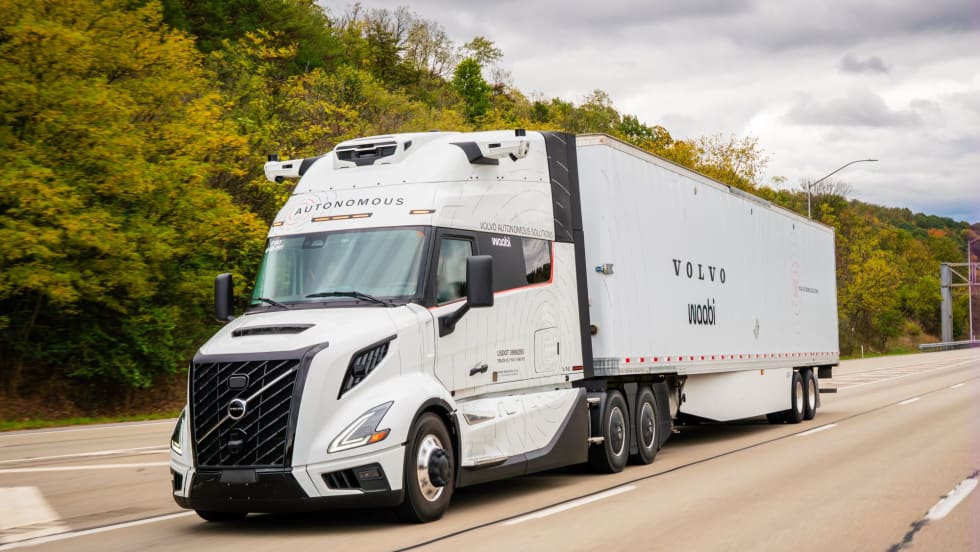
Volvo, Waabi Start Commercial Autonomous Operations in Texas
Volvo VNL Autonomous trucks, powered by the Waabi Driver, are hauling freight directly to third-party facilities for a customer in Texas.
Read More →