




FMCSA Safety Chief Opens Zonar User Conference
You'd better be getting ready for new hours of service rules that go into effect July 1, to be followed by proposed rules for electronic logs. That, along with an emphasis on enforcement, was the message from Jack Van Steenburg, chief safety officer for the Federal Motor Carrier Safety Administration, in his keynote speech for Zonar Systems' inaugural users’ conference.

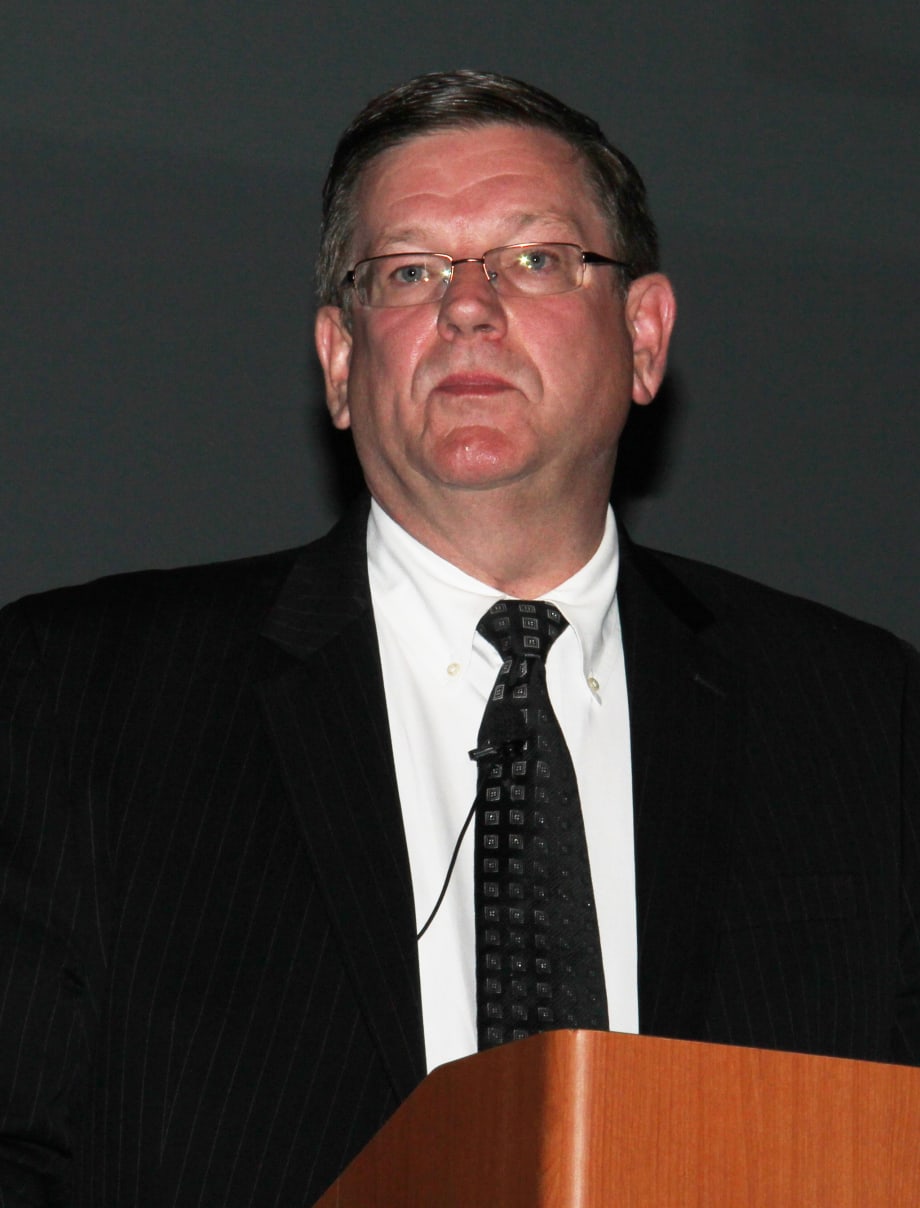
Jack Van Steenburg, chief safety officer of the Federal Motor Carrier address attendees at Zonar Systems the Zone 2013 user’s conference.

You'd better be getting ready for new hours of service rules that go into effect July 1, to be followed by proposed rules for electronic logs. That, along with an emphasis on enforcement, was the message from Jack Van Steenburg, chief safety officer for the Federal Motor Carrier Safety Administration, in his keynote speech for Zonar Systems' inaugural users’ conference.
The Zone 2013 opened May 14 in San Antonio with more than 150 customers in attendance. While the event officially opened with a golf tournament and dinner on May 14, the real work began the next day with a full slate, which also included breakout sessions covering a number of fleet management, compliance and technology topics, an interactive computer training lab and a future tech development lab, in addition to Van Steenburg's remarks.
Van Steenburg’s address drew an attentive audience as he discussed a number of FMCSA’s recent initiatives, including drivers’ hours-of-service, electronic logging devices, CSA and enforcement.
Hours of Service and Electronic Logs
The new hours-of-service rules are still scheduled to go into effect in July, despite requests from industry groups and some members of congress to delay the rule.
The most controversial aspects of the rule are a requirement that drivers take 30-minute breaks with 8 hours of coming on duty and a revised 34-hour restart period that requires two periods from 1 a.m. to 5 a.m. off duty before a driver can resume driving.
“Taking a 30-minute break is good for drivers,” he said. And the revised restart rule will mean drivers won’t go back on duty until they have had a normal sleep pattern.
And the agency intends to enforce the new rules. “There will be big fines for egregious violations,” he said. “We are going to start enforcing those violations.”
He said a new rule mandating electronic logging devices (the new name for EOBRs) would come up sometime this fall with a final rule ready by next year. The rule will establish technical standards for ELDs and eliminate a lot of current requirements involving supporting documents.
“Once carriers start using them (ELDs), they love it,” he said, noting the operational efficiencies they can gain. The new rule will also include “strong measures” to make sure carries or shippers do not harass drivers.
Enforcement
Van Steenburg noted that while FMCSA sets the rules, most enforcement work, including roadside inspections, are done by state commercial vehicle enforcement agencies. These agencies conduct about 3.6 million inspections a year.
He said a common complaint from motor carriers is that there aren’t enough clean inspections.
“When we first started, 30% of our inspections were clean,” he said. “Now we are up to 39% clean. We’ve made great progress over the years, but over 4,000 people lose their lives in commercial motor vehicle crashes each year, which is not good.”
In response, he said the agency is promoting commercial vehicle traffic enforcement by local and state police officers. “It sounds harsh, but I want to see drivers who operate unsafely get tickets.”
He also said he would love to be have access to all the traffic violations issued by police officers, sheriffs and other local law enforcement. Currently, the FMCSA doesn’t capture serious traffic violations issued by police officers because they don’t go on a roadside inspection report.
Raising the Bar
Van Steenburg said the agency remains committed to the raising the bar to get into the business, maintaining high safety standards and removing high-risk drivers.
The agency is looking at combining a number of registration forms into one and building a screening algorithm into the application process to better access that applicant’s safety capability.
As for safety standards, he said the Compliance, Safety, Accountability program is a good way to make sure carriers adhere to these standards.
“I am a big proponent of CSA. I believe it works. I believe the right methodology is there as it allows us to identify carriers that are high risk.”
He acknowledged it's not perfect. “Don’t get me wrong, we know there are problems in CSA and we are making changes over time. We are listening and willing to make changes to CSA.”
Technology
Of course, since Zonar is a technology company, Van Steenburg had some remarks in that area, as well.
“We feel that carriers that have advanced technologies are safer and are showing a greater commitment," he said. "We are promoting advanced technologies. We see a lot of technology in private fleets and the data shows that private fleets are safer.” He said the data shows private fleets have lower crash rates, lower out of service rates and lower inspection rates.
Of course, he said, “there are a lot of for-hire carriers out there that are very safe and are making investments in the technology.”
“Our ultimate vision, he said, is of a crash-free environment. Working together, I think we can achieve that.”
More Fleet Management

AUCTION OF EQUITY INTEREST IN HEAVY HAUL TRUCKING COMPANY!!
Mark your calendar: June 30, 2026 (10:00 a.m. PDT). MagnaTrans, LLC, a California limited liability company doing business as Magna Transportation Group is going to auction! Bid on a 37.5% ownership interest in this Rancho Cucamonga-based heavy haul and over-dimensional trucking company operating across California, Oregon, and Arizona. The equity interest will be sold to the highest bidder or bidders under Article 9 of the Uniform Commercial Code at 10:00 a.m. PDT.
Read More →
Volvo Trucks Adds Unattended Over-the-Air Software Update Capabilities
The latest evolution of Volvo’s over-the-air update technology allows software updates to run while trucks are parked, helping fleets keep vehicles current without disrupting operations.
Read More →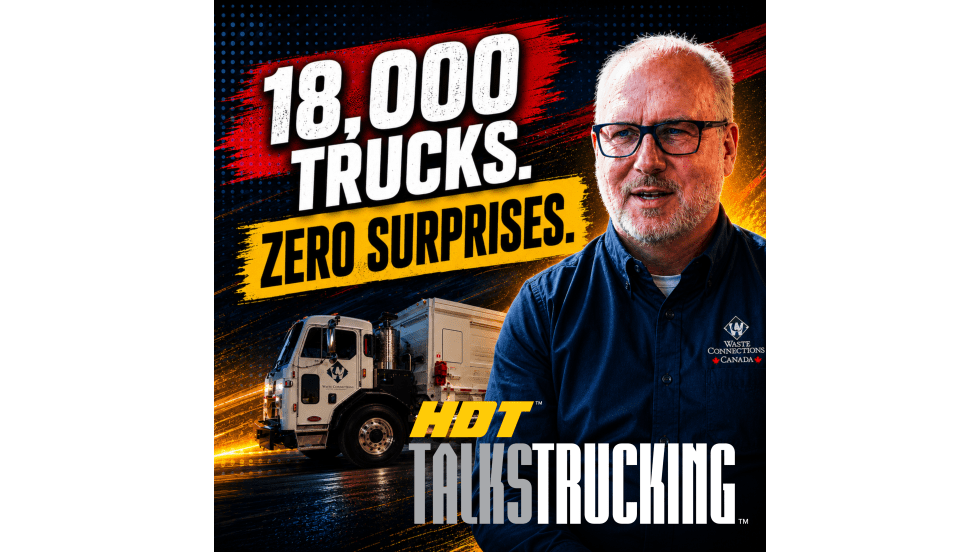
How Waste Connections is Using Data, Telematics, and AI
How do you manage and maintain more than 18,000 connected trucks? Data. Lots of it.
Read More →
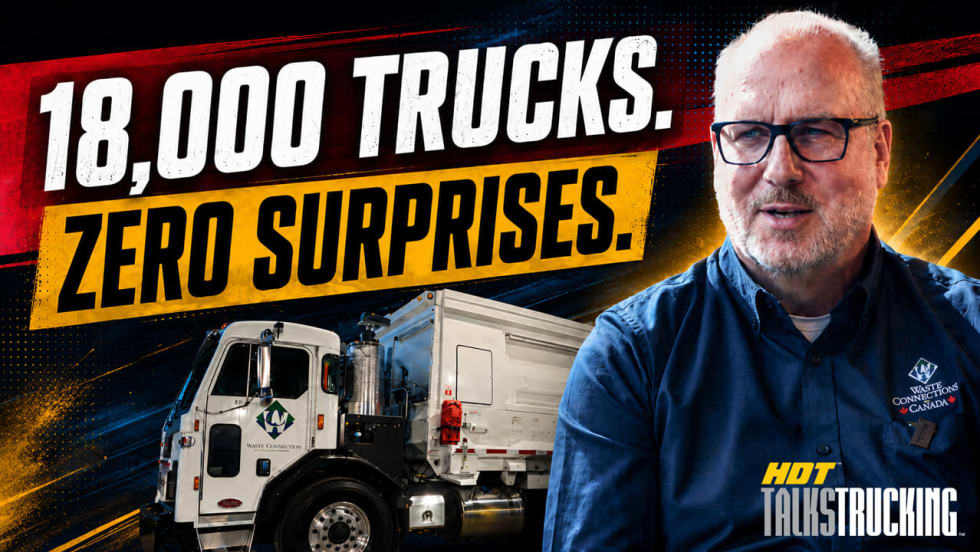
Why Fleet Data Matters More Than Ever at Waste Connections [Watch]
Waste Connections' Chuck Palmer explains how telematics, predictive maintenance, safety analytics, and AI help keep vehicles on the road and drivers safe in this episode of HDT Talks Trucking.
Read More →
NMFTA Launches Free, Anonymous Cybersecurity Threat Report Portal
Organizations are encouraged to anonymously report freight fraud, cargo crime, and cyber threats while gaining visibility into incidents reported across the transportation sector.
Read More →
AI Can Optimize a Fleet. Can It Replace Human Judgment?
Fleets fear falling behind if they don’t adopt AI quickly enough. They also fear what happens if the technology makes the wrong decision.
Read More →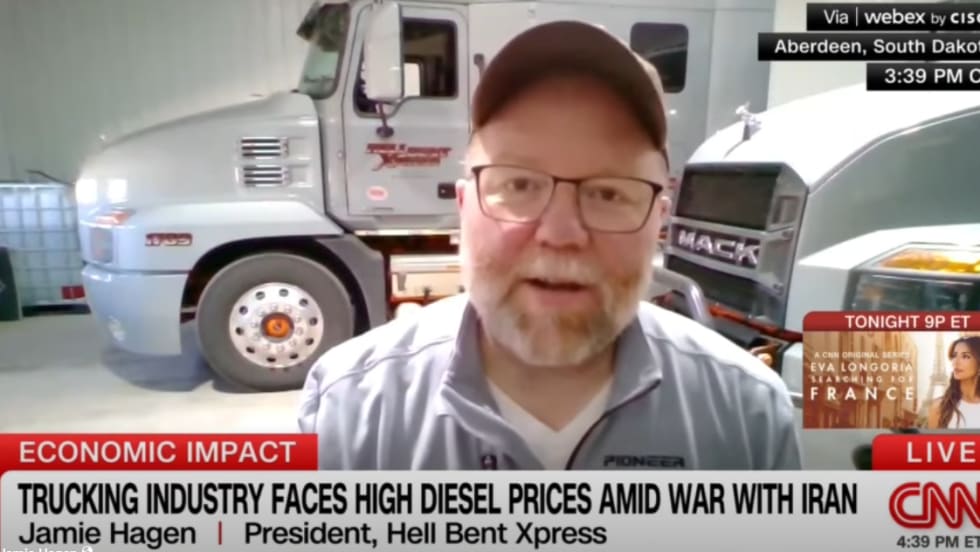
Jamie Hagen Gets Real About Running a Small Fleet in an Uncertain Economy
Small fleet owner Jamie Hagen says new legal risks, volatile fuel prices, and a changing freight market are forcing small carriers to rethink how they operate — and what they can afford.
Read More →
Jamie Hagen Gets Real About Freight, Fuel Prices, Safety, and Small-Fleet Survival
Running a small trucking fleet right now isn’t easy, especially right now. And Jamie Hagen doesn’t sugarcoat it.
Read More →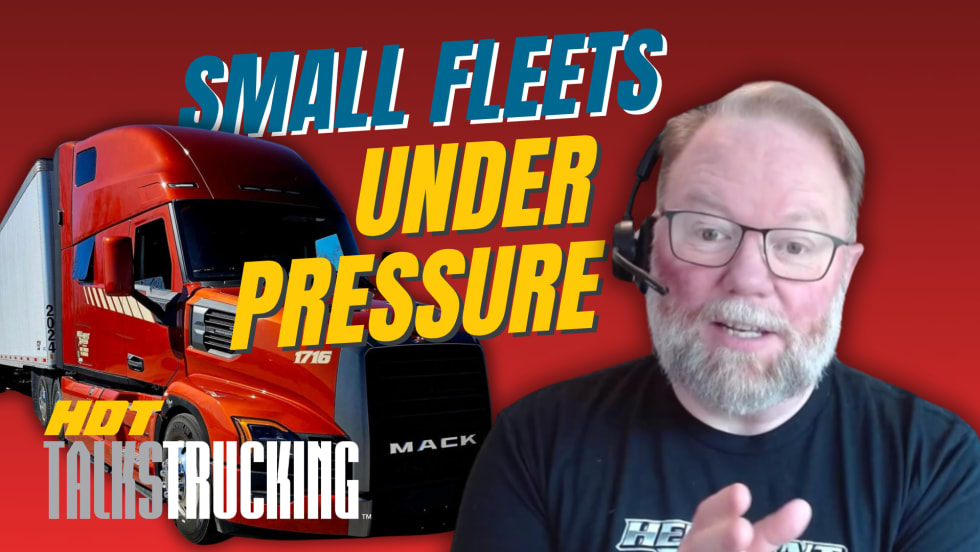
Jamie Hagen Gets Real About Freight, Fuel Prices, Safety, and Small-Fleet Survival
Running a small trucking fleet right now isn’t easy, especially right now. And Jamie Hagen doesn’t sugarcoat it.
Read More →
Data Lock‑In or Integration Lock‑Out?
Data fragmentation is costing dealerships, OEMs, fleets, and upfitters millions. Here’s why interoperability may be the fix the trucking industry needs.
Read More →