




Illinois GPS Task Force Finds Truck-Specific Data Difficult to Access
Truckers using various GPS systems to navigate around the State of Illinois do not always have access to accurate and up-to-date truck-specific routing information
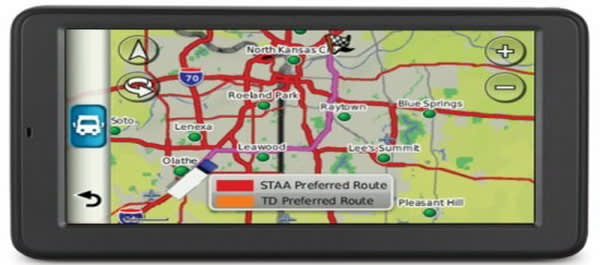
Accurate data will keep large trucks on approved roadways and away from hazards – such as low bridges.
Truckers using various GPS systems to navigate around the State of Illinois do not always have access to accurate and up-to-date truck-specific routing information.
That was one of the findings reported by a state task force charged with examining the use of Global Positioning System technology related to routing information for commercial vehicles.
The task force with has submitted a report along with eight recommendations to Illinois' Governor and General Assembly.
Among the key findings by the task force, made up of government and industry representatives, was that the state currently maintains multiple databases with critical truck-specific data that is not easily accessible by the commercial trucking industry. Such data is important to keep large trucks on approved roadways and away from hazards - such as low bridges - that can cause public safety issues.
"The Task Force has created a template from which other states can begin to assess their data and its delivery to the commercial transportation industry," said Rep. Michael Zalewski, Task Force Chairman and state representative for the 21st district. "We believe better, more accessible data with regulatory compliance to keep the data updated will result in reduced accidents, reduced expense for repair and maintenance, and reduced congestion on local roads, all benefitting the citizens of Illinois."
The Global Positioning System Technology and Designated Truck Route System Task Force was established last September in advance of proposed legislation regulating the use of GPS by truck drivers. The Task Force also was directed to study the implementation and compliance with the Designated Truck Route System.
Challenges to Access
In its exploration of the current environment, the Task Force found several challenges that make accessing and using appropriate truck-specific information difficult.
In Illinois, the information that impacts truck routing is stored in various databases belonging to the Illinois Department of Transportation, the Illinois Commerce Commission, and other local agencies. Local jurisdictions oversee the regulation of truck-prohibited roads and preferred truck routes within their communities. Information is not universally present in any one database, making it cumbersome for commercial trucking drivers and firms to access the information. Having the information in various databases makes it difficult to use by the commercial trucking industry.
The Task Force's recommendations center on four key areas: merging databases together; requiring local jurisdictions to report their designated truck networks and preferred routes via a simplified reporting process; making the database more accessible to the commercial trucking industry; and educating truck drivers on the differences between GPS devices designed for trucks and those used in cars.
"We believe the Task Force's recommendations will provide a sound approach to obtaining and maintaining critical data for navigation and other uses," said John McAvoy, Director of Engineering for Rand McNally, who sat on the task force. "Reducing commercial vehicle accidents caused by lack of vital height and weight information will benefit all who share the road."
More Drivers
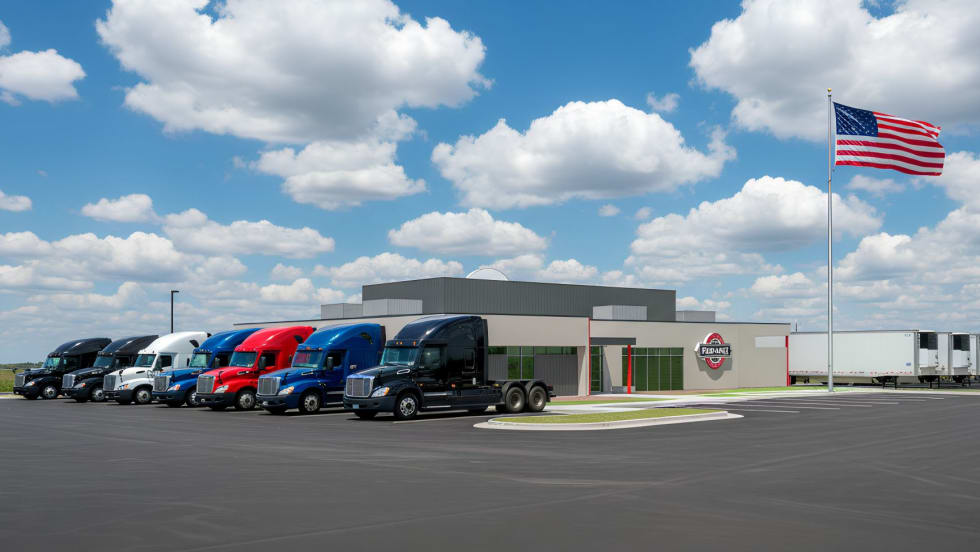
Prime Inc. to Open $7.9M Flagship Used-Truck Dealership
A new driver-focused facility to sell Prime Inc's used trucks and trailers will be the first purpose-built location in the company's history.
Read More →
Short Takes: Inside K&B’s Truck Safety Tech
Listen to learn how K&B Transportation uses cellphone-blocking technology, speed management systems, weather geofencing, bridge avoidance tools, and more to improve driver safety.
Read More →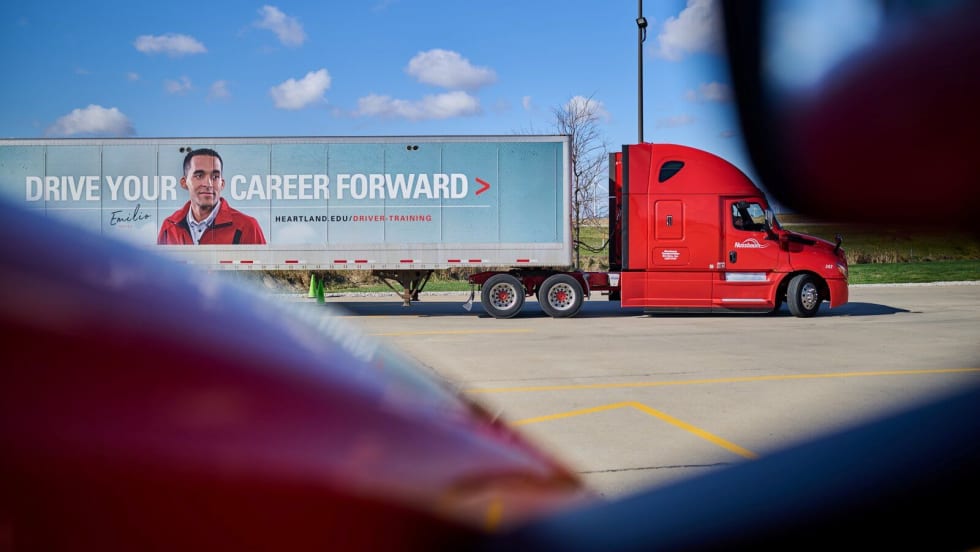
Nussbaum Expands Driver Compensation with Pay Raises, Profit Sharing
Nussbaum Transportation said its latest compensation package could push first-year driver earnings above $90,000 in key hiring markets.
Read More →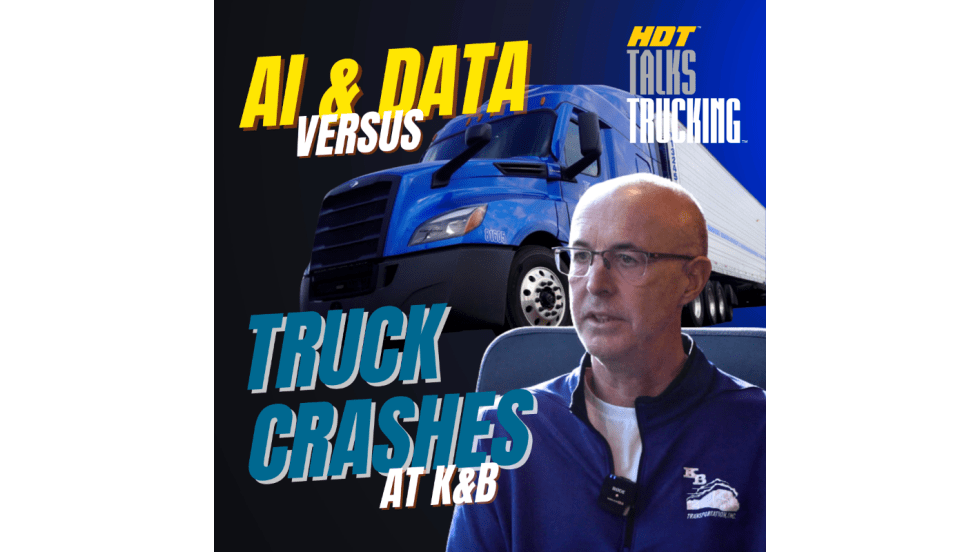
Listen: Inside Modern Fleet Safety: AI, Cameras & Speed Control at K&B Transportation
Fleet safety is evolving fast—and technology is at the center of it. Learn how a former commercial vehicle enforcement officer turned director of safety at K&B Transportation is embracing real-world safety technology.
Read More →
Maverick Announces 2026 Driver Pay Raises
New raises for Maverick Transportation drivers will take effect on May 31, 2026.
Read More →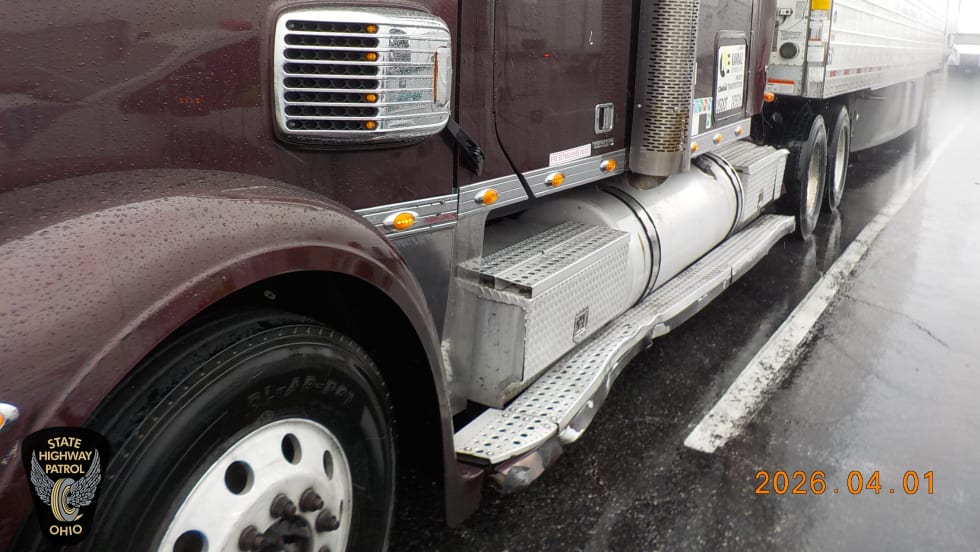
Illinois Trucker Indicted for Nearly $22,000 in Ohio Turnpike Toll Evasion
Authorities say an Illinois trucker avoided paying tolls for two years, and now faces felony charges, possible prison time, and forfeiture of his Freightliner tractor.
Read More →
New Trojan Driver Cargo Theft Scam Bypasses Carrier Vetting Systems
Cargo theft rings plant operatives as drivers inside legitimate, fully vetted carriers, then execute coordinated thefts that look like a traditional straight theft from the outside.
Read More →
WIM, Trucker Path Name Top 3 Women-Friendly Truck Stops
ATA’s Women In Motion Council and Trucker Path highlight three truck stops that meet all seven safety-focused criteria and rank highest among female drivers.
Read More →
FMCSA Extends Paper Medical Card Exemption … Again
Five states still aren't ready to accept commercial driver medical exam information directly from the medical examiner's registry.
Read More →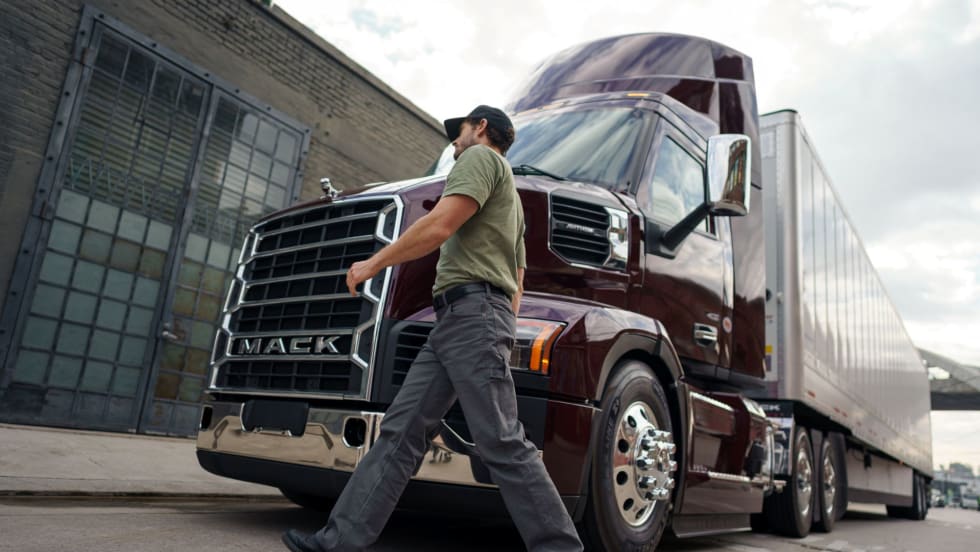
Mack Launches Digital Driver Guide for Chassis-Specific Truck Info
Mack’s new, virtual owner’s manual delivers VIN-based, on-demand guidance for vehicle systems via web, app, and soon in-cab displays.
Read More →