




Peterbilt Model 567 Heritage Evokes 'Large Cars'
Peterbilt Motors’ Model 567 Heritage combines a rugged-looking vocational truck with special exterior and interior trim that harkens back to the company’s West Coast origins and days of the “large car.”

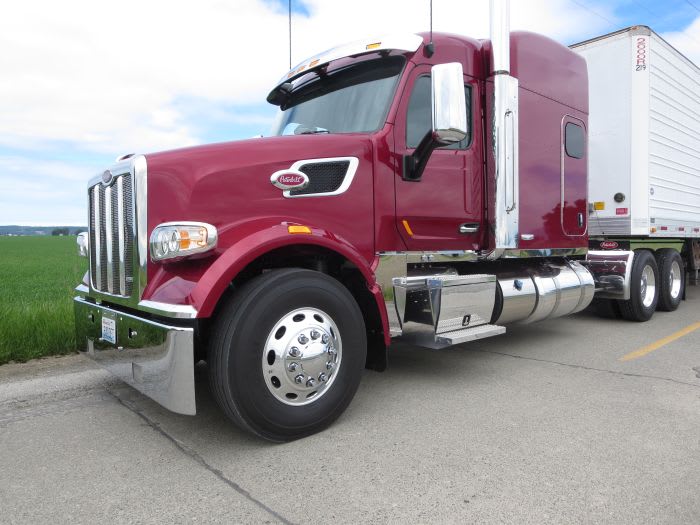
Looking like a modern rendition of an old “large car,” the 567 Heritage is adorned with much chrome and polished metal trim.
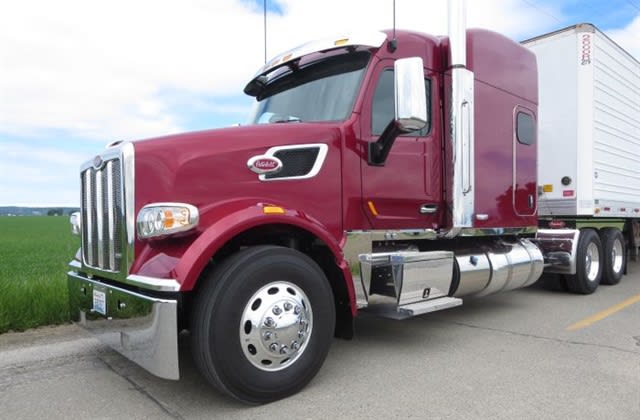
Looking like a modern rendition of an old “large car,” the 567 Heritage is adorned with much chrome and polished metal trim.
Hard-nosed fleet execs will say that chrome trim doesn’t raise one dollar in revenue, but most drivers disagree. Assuming a truck is decent in the first place, chrome and polished metal make a guy or gal want to drive it, and that can lead to lower turnover costs and greater productivity and profit.
So it is with Peterbilt Motors’ Model 567 Heritage, which combines a rugged-looking vocational truck with special exterior and interior trim that harkens back to the company’s West Coast origins and days of the “large car.”
“The Model 567 Heritage appeals to owner-operators and premium carriers who want to reward their drivers and add distinction to their fleets,” said Darrin Siver, the builder’s general manager and a Paccar VP, on the model’s introduction in June. I got to drive a tractor version shortly thereafter, at Paccar’s Technical Center near Mount Vernon, Wash.
“Legendary red” paint beautifully contrasted with the bright-metal trim. It struck me that this could well be an alternative to the traditionally styled 389 that, along with its 379 and 359 predecessors, is the most-often seen vehicle at truck beauty shows. The 567 has the looks of a traditionally styled truck, but streamlining smooths air flow to cut drag and save fuel at highway speeds.
Silver explained that the truck is meant to evoke the company’s early days when lumberman Al Peterman took over the San Francisco plant of bankrupt Fageol and began assembling trucks to support his logging activities in the Northwest. But those trucks were rather crude-looking compared to the 567 Heritage.
The Heritage’s basic specifications include a 121-inch bumper to back of cab measurement and set-forward front axle. It can be spec’d as a day cab or with a 72- or 80-inch sleeper box (this one had the 80-inch version). Thus this could be called a “large car,” a term from the past. Purists insist that large cars also had certain components hung along the frame to fill gaps, such as air tanks located behind the front wheels and fenders. In contrast, today’s 567 Heritage has bright-metal panels called quarter-fender closeouts.
An 18-inch-high bumper resembles the flat “Texas tall” type, but this one’s curved at the sides to let air ease by. Of course, there are dual chromed exhaust stacks. Other exterior features that are either chromed or polished include three vertical trim bars in the grille, front fender supports, air intake bezel, hood latch hardware, mirror housings, sun visor, steps, battery boxes, fuel tanks, and rear quarter fenders. The plastic tank for diesel exhaust fluid is wrapped in polished aluminum. Heritage badges are placed in the grille and on the sides of sleeper boxes.
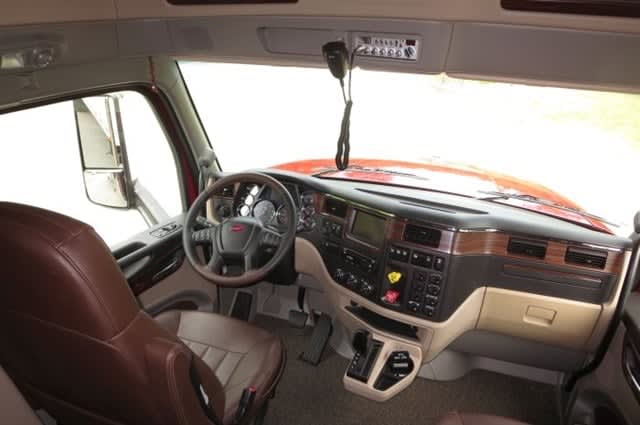
Simulated dark wood trim graces the dashboard and door panels, while dark brown leather covers the seats. Of course it has power windows and locks.
Inside, simulated wood trim accents in the dash and door panels continue on the cabinets and storage compartments of sleepers. Seats are upholstered in deep brown leather, while seat backs and the two-tone sleeper back wall are embroidered with the Heritage logo. Finally, the covering atop the dashboard is black, which is both attractive and practical because it reduces sun glare in the windshield.
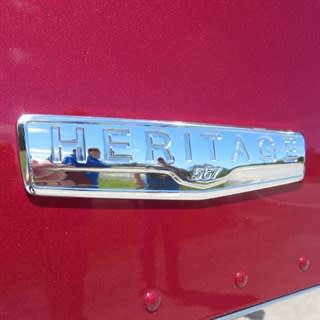
Heritage 567 badge appears in the grille and on sleeper box’s sides.
Visibility through the windshield and along that sloped hood was superb, I found when I got behind the wheel. Side windows were likewise large, and mirrors well positioned with glass that’s multi-adjustable. The aluminum cab’s width is 2.1 meters or 82.7 inches, which is about 8 inches more than the old cab on the 365/367 and other earlier Petes, including the 389. The wider cab is plenty roomy but not oversized, so seems as appropriate for vocational use as for on the highway.
This tractor had a Paccar MX-13 rated at 500 hp and 1,850 lb-ft, mated to an 18-speed automated Eaton UltraShift Plus. It was as much a pleasure to drive on the tech center’s grounds and over nearby highways, with a smooth ride and easy maneuverability, as it is to look it. The 567 Heritage goes into production in September.
More Equipment

Help HDT Find Trucking’s Top Products
Have you come across a new product that could make a difference for trucking fleets? Nominate it for HDT’s 2027 Top 20 Products Awards by November 9.
Read More →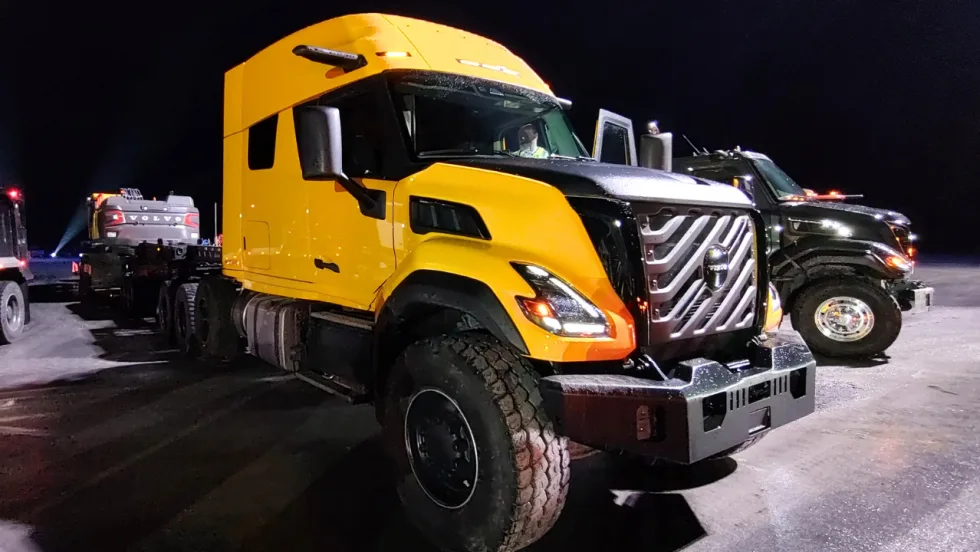
Volvo Unveils New VNX Heavy-Haul and Vocational Truck
Volvo Trucks has launched the VNX, a new vocational truck also available as a tractor in day cab and two sleeper configurations, with one heavy-haul model. The Volvo VNX is powered by Volvo's D13 platform, which delivers up to 540 horsepower and 1,950 pound-feet of torque and is EPA 2027-compliant.
Read More →
How GP Transco Cuts Trucking Fuel Costs, a Tenth of a Gallon at a Time
What’s another tenth of a mile per gallon worth? GP Transco shares how equipment upgrades and driver coaching turn small gains into meaningful fuel savings.
Read More →
Electric Yard Tractors Move Beyond Pilots
Operating-cost savings have overtaken sustainability goals as the leading reason surveyed fleets are adopting battery-electric terminal tractors, according to new NACFE research.
Read More →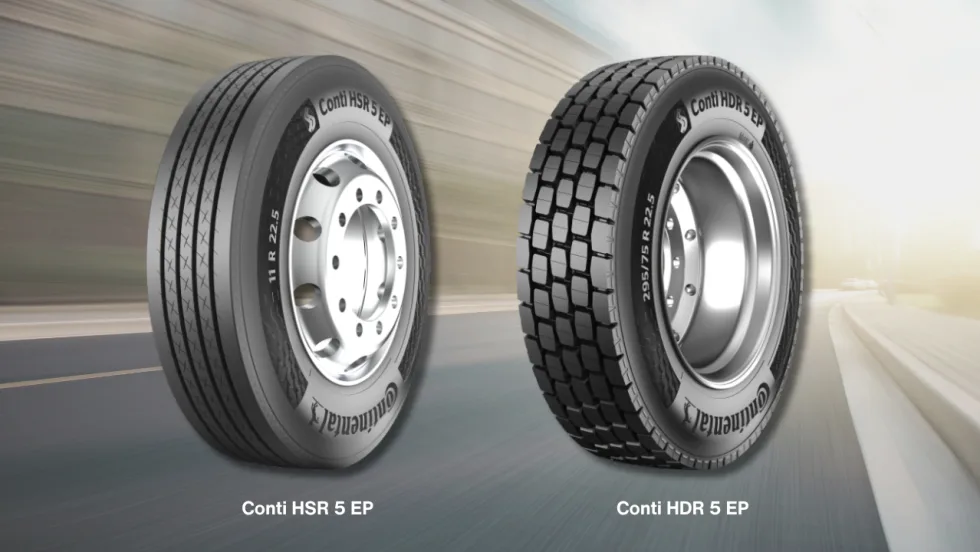
Continental Introduces New Regional Truck Tires
Continental says its new Generation 5 steer and drive tires for regional operations offer longer tread life, with estimated mileage gains of 22% and 19%, respectively.
Read More →
Tekmodo Introduces CargoBright Brand for Translucent Trailer Roofs
CargoBright is designed to diffuse daylight across the cargo area while performing as a working vehicle roof.
Read More →
Fleet Economics Shape Electric Truck Outlook
ACT Research expects costs, charging infrastructure, and technology improvements to drive zero-emission commercial vehicle adoption as federal regulations and incentives retreat.
Read More →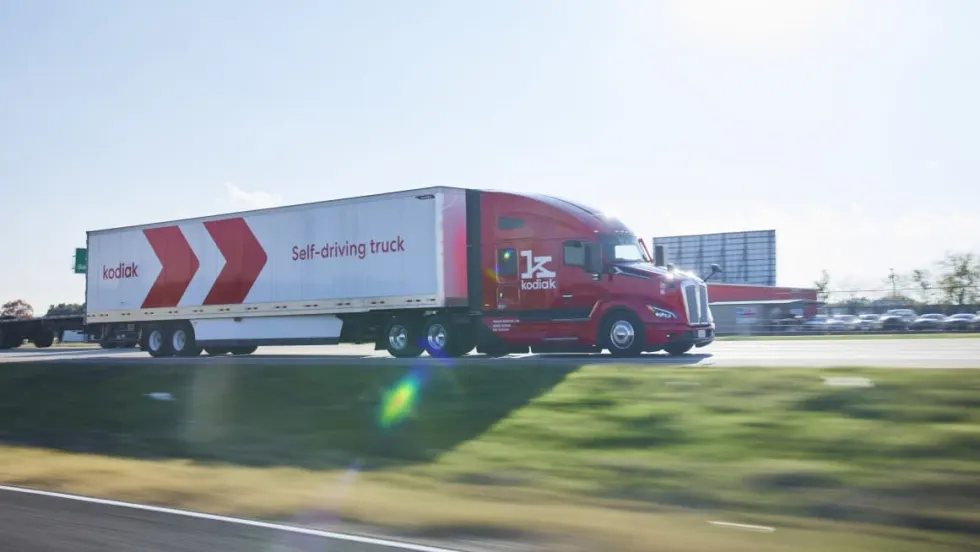
Kodiak Targets Dallas–Houston for Driverless Trucks
The company says its autonomous trucks are completing the I-45 run without a safety observer taking control. It plans to remove the observer by the end of 2026.
Read More →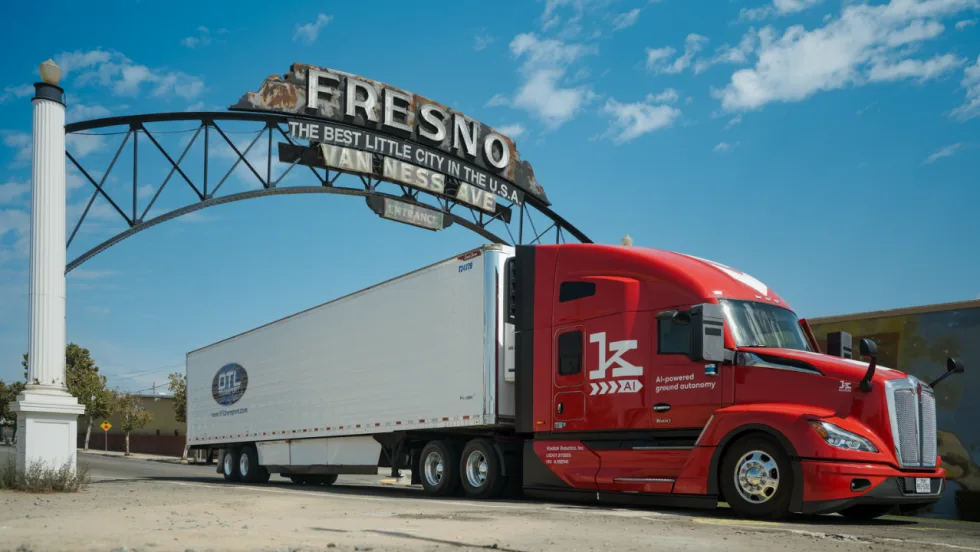
Kodiak Hauls Produce in California Autonomous Truck Pilot
Kodiak AI and DTL Transport have begun hauling produce between Fresno and Los Angeles under California’s new rules for testing heavy-duty autonomous trucks. A safety driver remains behind the wheel.
Read More →
Used-Truck Remarketing Math Is Changing
Used-truck value is no longer just a concern at trade-in. Decisions made throughout a truck’s first life can influence what it’s worth years later.
Read More →