




How Not to Lose Sleep over Apnea
Despite sleep apnea’s devastating impact on highway safety and personal well-being, truck drivers can be easily and affordably treated for this common medical condition.

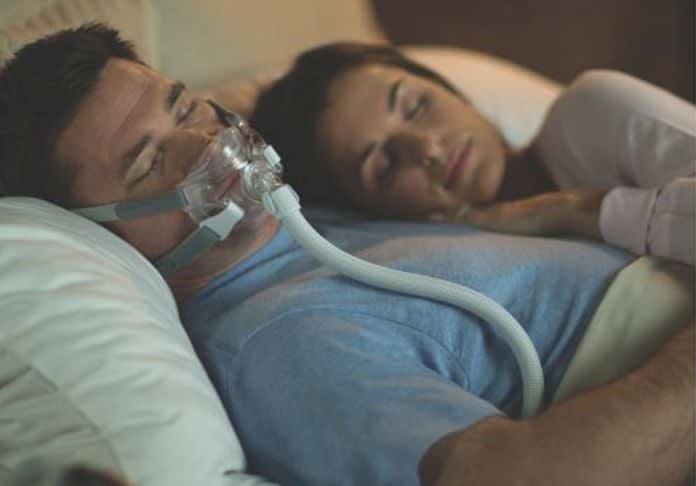
A common therapy for obstructive sleep apnea is continuous positive airway pressure, known as CPAP. Photos: Safety First Sleep Solutions

A common therapy for obstructive sleep apnea is continuous positive airway pressure, known as CPAP.Photos: Safety First Sleep Solutions
There’s no federal rule in place to govern the testing and treatment of sleep apnea for truck drivers. Yet mounting evidence of the costly impact of not treating this medical condition can have on highway safety and on driver quality of life should keep fleet managers awake at night.
Thunderous snoring is the punchline of many a joke, but when the hallmark of an apnea sufferer, it’s no laughing matter. The National Institutes of Health says sleep apnea is a common, and usually chronic, disorder that causes a person to take one or more pauses in breathing or to breathe shallowly while asleep. “When you try to breathe [during sleep with apnea], any air that squeezes past the blockage can cause loud snoring,” NIH says.
The pauses can last a few seconds or extend for minutes and may occur 30 times or more an hour. The condition disrupts sleep in such a way that the sufferer moves in and out of deep and light sleep. That results in poor-quality sleep, leading to chronic sleep deprivation. And that brings on fatigue, revealed as excessive daytime sleepiness.
The most common type is obstructive sleep apnea, in which the airway collapses or becomes blocked during sleep. Studies have found that OSA affects 2 to 4% of middle-aged adults and that drivers with OSA have an increased crash risk that can be 2 to 4 times that of the general population.
A University of Iowa study looked at what happened when individuals with an OSA diagnosis entered into “microsleeps” while on an hour-long drive in a high-tech simulator. As explained by risk-management firm Circadian, a microsleep is a “brief sleep episode that lasts up to 30 seconds, during which a person temporarily loses consciousness and external stimuli aren’t perceived.”
That’s more than enough time for things to go horribly wrong on the road. The UI study authors reported that the OSA-afflicted drivers “showed significant deterioration in vehicle control during the microsleep episodes… The degree of performance decrement correlated with microsleep duration, particularly on curved roads.”
As if substantially upping the risk of a driving or a work-related accident weren’t reason enough to seek treatment, per NIH, untreated sleep apnea can also:
Increase the risk of high blood pressure, stroke, diabetes and obesity
Increase or worsen the risk of heart failure
Make arrhythmias (irregular heartbeats) more likely
The Virginia Tech Transportation Institute points out that beyond negatively affecting any apnea sufferer’s health, untreated OSA can be especially dangerous for truck drivers. “Excessive daytime sleepiness may negatively influence behavior, and can result in poor judgment and impairments in concentration, memory, and cognitive function.”
VTTI Research Associate Erin Mabry, who co-authored a case study on the impact of apnea treatment offered by motor carriers, says such programs significantly cut accident and medical costs — and help trim driver turnover.
That was demonstrated in the study’s review of a pilot program to screen for and treat drivers for OSA set up by Schneider National. “The fleet said it wanted to address sleep apnea before any regulation came about,” Mabry explains.
While being studied, the carrier’s screening led to OSA treatment for 348 drivers. The fleet saw a 48% cut in medical costs and a 73% drop in preventable accidents, Mabry says. “And they saw the retention rate for those drivers climb to two to three times that of their overall driver population. I think that shows the drivers really appreciated that Schneider offered the program to them free of charge.”
Todd Simo, chief medical officer of Charlotte-based HireRight, says that while truck drivers above all should be concerned about OSA as it affects their ability to work, the condition should also “concern every employer who cares about their employees. On top of that, the 20 to 60% higher accident risk of those with untreated OSA can increase the cost of accidents and litigation to the point of shutting down smaller companies.”
Apnea is a condition that can lead instantly to a fatal crash but also can cause a lifetime of daily suffering while piling on long-term health risks. Screening for OSA and then providing treatment if needed is the most direct way a fleet can help drivers gain relief from the condition and go on to be safer and healthier employees.
What you can do
Fortunately, concerned fleets are finding that employment-related service providers are offering programs aimed at making OSA screening and treatment cost-effective and simple to implement.
“It just makes tremendous financial sense for companies to be proactive,” says Robin Ivany, general manager of one such provider, Safety First Sleep Solutions, Girard, Ohio. “This health condition creates a tremendous liability for companies, mostly because most people that have sleep apnea do not even know it.”
SFSS has come up with affordable testing and treatment solutions for sleep apnea geared toward truck drivers. “We use a convenient, low-cost testing system that enables patients to be screened in the comfort of their homes,” Ivany explains, “and there are sleep-therapy experts available 24/7 to assist with any questions or problems.”
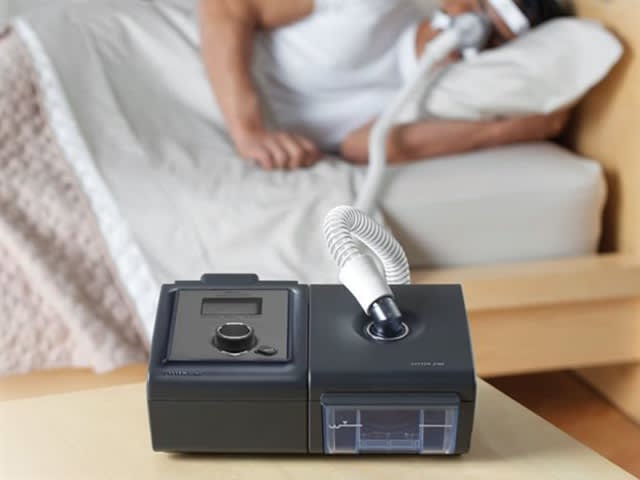
She says the company also offers “a cost-effective CPAP and power supply combination to provide effective FMCSA-compliant apnea treatment for use in a sleeper berth equipped truck.” Ivany adds that a big part of SFSS’ effort is to educate drivers and the industry about sleep apnea.
HireRight’s Steven Spencer, managing director of transportation and health care, says a new sleep-apnea study service launched as part of the firm’s driver- health screening offering makes tacking OSA “easy and convenient for drivers and helps motor carriers maintain compliance, mitigate risks, reduce costs, and improve retention.”
He explains that HireRight provides a portable testing device that can be used at home or in a sleeper berth, so a driver need not stay overnight at a sleep-study lab. The program includes “concierge-level service for both the driver and motor carrier throughout the process.”
“Effective treatment can show marked change right away,” says HireRight’s Simo. “And epiphanies often result. After sleeping well, those treated realize ‘fatigue stinks.’”
Safety aside, he adds, “Who wants to be tired all the time?”
More Drivers

From One Generation to the Next: How Mentorship Builds Safer Truck Drivers
After three decades in trucking, Harold Perry shares what he's learned about driver safety, mentorship, and helping the next generation build confidence behind the wheel.
Read More →
Truck Drivers Need More Than Another Alert
Fleets have more visibility into truck health, safety events, and driver activity than ever. The next challenge is turning all that information into useful guidance for the person who has to decide what to do next.
Read More →
FMCSA Removes 110 Truck Driver Training Schools from Certified ELDT List
Federal regulators also are targeting more than 160 additional training providers and launching a nationwide audit of third-party CDL skills testers as part of a broader crackdown on trucking fraud.
Read More →
Hours of Service Pilot Programs: FMCSA Readies for 2027 Rollout
Two pilot programs could eventually reshape hours-of-service rules, giving truck drivers options to pause their 14-hour clock or use longer split sleeper rest periods.
Read More →
Medical Cards, English Proficiency Reshape Roadcheck Violations
Medical-card violations jumped to the top of the driver out-of-service list during CVSA’s 2026 International Roadcheck, while English-language proficiency violations appeared among the leading violations for the first time.
Read More →
Driver Trust Can Make or Break the Success of Fleet Safety Technology
New Teletrac Navman research suggests that onboarding, transparency about driver data, and positive feedback can play a significant role in how commercial drivers respond to safety and coaching technology.
Read More →
EEOC Sues KLLM Over Alleged Sex Discrimination in Driver Training
KLLM is facing a federal sex-discrimination lawsuit over policies the EEOC alleges put female truck driver trainees at a disadvantage.
Read More →
FMCSA Moves to Codify English Language Requirements for Commercial Drivers
By changing regulations on English-language proficiency requirements for commercial drivers, rather than relying on a guidance memo, the FMCSA said future administrations won't be able to walk back the Trump administration's stricter enforcement with just a memo.
Read More →
Drivers Put Western Star Trucks to the Test at Star Nation Experience
Watch to get an inside look at the Western Star trucks, technology, and community behind the Star Nation Experience 2026!
Read More →
Trump Administration Looks to Put More Veterans Behind the Wheel
The Freedom Haulers program pulls together existing and expanded programs at several federal agencies to recruit veterans to drive commercial heavy-duty trucks and cut the red tape for them to get a CDL, training, and employment.
Read More →