




3 Things Drivers Need to do in Workers’ Comp Claims
Falls from loading docks or trailers, back sprains from throwing tarps, slips on icy truck steps -- truck driver injuries can lead to workers' comp claims. Make sure your drivers know these key areas of responsibility that are in their hands.


The threat of injury is real and pervasive for truck drivers. Consider these on-the-job risks alone:
Loading and unloading cargo
Slips, falls and strains from entering and exiting cabs
Repetitive body stress over extended time periods
Falls from loading docks
Raising heavy truck hoods
Handling heavy trucking equipment (such as removing the fifth wheel pin)
Traffic accidents
Not only are these risks hazardous in and of themselves, but they can be amplified after drivers spend long periods of stationary time driving, meaning workers’ compensation has become a calling card of the trucking industry.
While the burden often falls on the company owner to provide workers’ compensation insurance for drivers, how drivers respond to an injury plays a pivotal role in the cost of a claim. Drivers have their own responsibilities once injured, and without heeding them, even a small injury can transform into a costly claim.
1. Understanding company procedures for reporting injuries
Many truck drivers operate under very independent job descriptions, and for long haul drivers, they may not have direct contact with supervisors for extended periods of time. So a supervisor may not always know when an accident has occurred, especially a minor incident or an internal injury.
Immediate communication by the injured driver is essential to starting a cost-conscious claim. In a workers’ comp case, lost time can severely affect your final claim cost, so it's vital that the injury gets the medical attention needed promptly. Quickly reporting a claim is also the best way to get an accurate report, before memories fade.
Make sure drivers know who to contact when they are injured on the road or on a site, and that they are trained to make a report right away. Make sure strict guidelines (such as mandatory 24-hour reporting windows) are set in place and routinely reviewed with drivers.
2. Communicating alternative work availability
Many trucking companies offer drivers the option to return to work through alternative work assignments before an injury has fully healed. These light and modified duty programs, which can include clerical work and other stationary tasks, are key factors in lowering lost-time claim costs.
Often, drivers don't live near the terminal, so alternatives to standard modified duty should be put in place. These could include national programs that place the driver doing volunteer work at one of thousands of non-profits throughout the United States.
However, these become irrelevant if drivers or employers don’t let their treating physicians know that light or modified duty options are available.
Make sure your drivers are knowledgeable about their company’s return-to-work policy and give their doctor all necessary forms and materials. Otherwise, a doctor may not deem a driver physically able to return to work, simply because he is not yet well enough to endure a traditional long haul trip -- when he or she could actually be back on the payroll by answering phones at company headquarters until he is ready to return to regular duties.
By the same token, employees must also communicate with supervisors on any work restrictions made by their doctor so temporary duties are appropriate to the worker’s injury. If an injured driver must remain homebound, the driver needs to communicate with his or her supervisor at least once a week to update his progress so appropriate duties can be set up as soon as the worker is able to leave home.
3. Merging back on the road
When it’s time for an injured driver to transition back on the job – either through modified or regular duty – drivers need to help in the claims process by providing all relevant paperwork. Drivers should provide copies of doctors’ work status releases to their workers’ compensation coordinator and return to work on their next scheduled shift.
Drivers must comply with all physician-requested work restrictions, both on the job and at home to ensure that the injury improves – rather than worsens.
As the process to a full recovery continues and drivers regain control of the wheel, they should give their supervisors regular updates on the injury’s progress.
The moment that communication stops with an injured driver, the harder it will be to maintain cost control over a claim and ensure drivers are healing properly.
Corey Lile is the founder and CEO of OccuSure Workers’ Compensation Specialists, a Brentwood, Tenn.-based company specializing in lowering workers’ compensation claims, particularly in the trucking industry. This article was authored under the guidance and editorial standards of HDT's editors to provide useful information to our readers.
More Drivers

FMCSA Removes 110 Truck Driver Training Schools from Certified ELDT List
Federal regulators also are targeting more than 160 additional training providers and launching a nationwide audit of third-party CDL skills testers as part of a broader crackdown on trucking fraud.
Read More →
Hours of Service Pilot Programs: FMCSA Readies for 2027 Rollout
Two pilot programs could eventually reshape hours-of-service rules, giving truck drivers options to pause their 14-hour clock or use longer split sleeper rest periods.
Read More →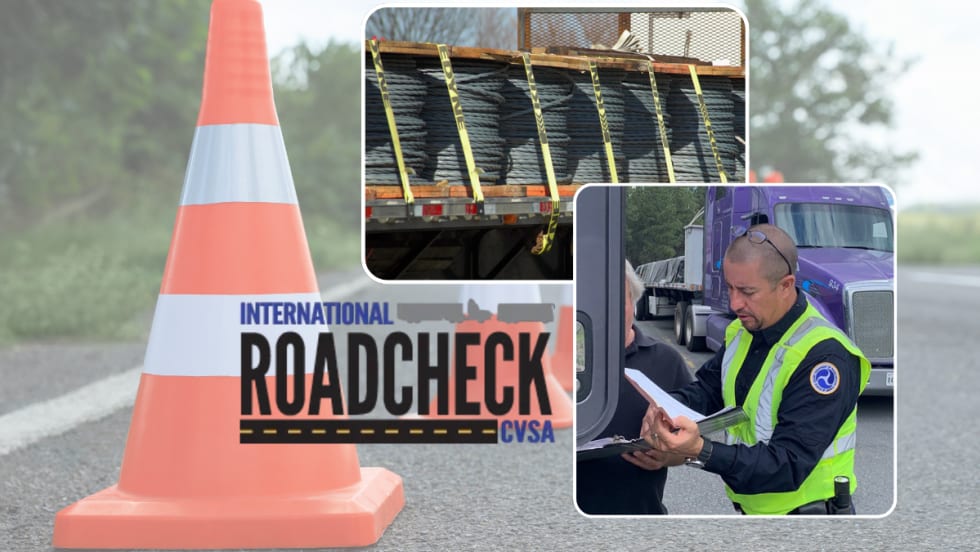
Medical Cards, English Proficiency Reshape Roadcheck Violations
Medical-card violations jumped to the top of the driver out-of-service list during CVSA’s 2026 International Roadcheck, while English-language proficiency violations appeared among the leading violations for the first time.
Read More →
Driver Trust Can Make or Break the Success of Fleet Safety Technology
New Teletrac Navman research suggests that onboarding, transparency about driver data, and positive feedback can play a significant role in how commercial drivers respond to safety and coaching technology.
Read More →
EEOC Sues KLLM Over Alleged Sex Discrimination in Driver Training
KLLM is facing a federal sex-discrimination lawsuit over policies the EEOC alleges put female truck driver trainees at a disadvantage.
Read More →
FMCSA Moves to Codify English Language Requirements for Commercial Drivers
By changing regulations on English-language proficiency requirements for commercial drivers, rather than relying on a guidance memo, the FMCSA said future administrations won't be able to walk back the Trump administration's stricter enforcement with just a memo.
Read More →
Drivers Put Western Star Trucks to the Test at Star Nation Experience
Watch to get an inside look at the Western Star trucks, technology, and community behind the Star Nation Experience 2026!
Read More →
Trump Administration Looks to Put More Veterans Behind the Wheel
The Freedom Haulers program pulls together existing and expanded programs at several federal agencies to recruit veterans to drive commercial heavy-duty trucks and cut the red tape for them to get a CDL, training, and employment.
Read More →
Putting Mack’s Command Steer to the Test
A test drive of Mack’s Command Steer active steering system evaluates how it can make truck driving easier and less tiring.
Read More →
Competition Heating Up for Truck Drivers
New report reveals rising driver hiring costs, the return of sign-on bonuses, growing AI advantages, and the operational factors shaping driver retention.
Read More →