




The Risks of Hydrocarbon Refrigerant Blends
When the temperatures warm up, it's a good time to remind technicians and drivers about the dangers associated with hydrocarbon refrigerants being sold as cheap substitutes for R-134a and R-12
When the temperatures warm up, it's a good time to remind technicians and drivers about the dangers associated with hydrocarbon refrigerants being sold as cheap substitutes for R-134a and R-12.
Marketed under names like HC-12a, OZ-12, DURACOOL 12a, and EC-12a, these hydrocarbon blends may contain high quantities of propane, isobutane, and other highly flammable gases.
"These products are sold online and at flea markets as direct replacements for SNAP-approved refrigerants," says Gary Hansen, vice president of Red Dot Corp. Based in Seattle, Red Dot designs and manufactures heating and air-conditioning systems, components, and replacement parts for heavy trucks and other commercial vehicles.
SNAP (Significant New Alternatives Policy) is a U.S. Environmental Protection Agency program that evaluates a refrigerant's ozone-depleting potential, global warming potential, flammability, and toxicity. The EPA has banned hydrocarbons as a replacement for R-12 in motor vehicles. Many states have made them illegal.
"Many consumers aren't aware of the hazards these cheap hydrocarbon blends pose to themselves and technicians who service their vehicles," Hansen says.
Hydrocarbon blends are highly flammable and in a confined space may burn or explode in the presence of an open flame, spark, or cigarette. No vehicle manufacturer has endorsed or authorized the use of hydrocarbon refrigerants in its current-production A/C systems, according to Red Dot. They can degrade gaskets and hoses designed for R-134a or R-12, making leaks more likely. Use them and you'll void the warranty.
Technicians should check for A/C system leaks before making an inspection or repair that requires an ignition source (or may generate one). "Use well-maintained, properly calibrated tools to identify refrigerants and sniff for leaks," Hansen adds.
"If you service A/C systems, test for these refrigerants and educate your customers about the dangers of flammable hydrocarbon refrigerants so they know to avoid them," Hansen says. "If you operate a motor vehicle and notice decreased A/C performance, stay away from cheap 'substitute' refrigerants and contact a certified and experienced mobile HVAC technician. He'll have the expertise and equipment to diagnose the problem and address it."
For more information, the EPA has a web page devoted to questions about these refrigerants here. For a list of acceptable substitutes, click here.
More Maintenance
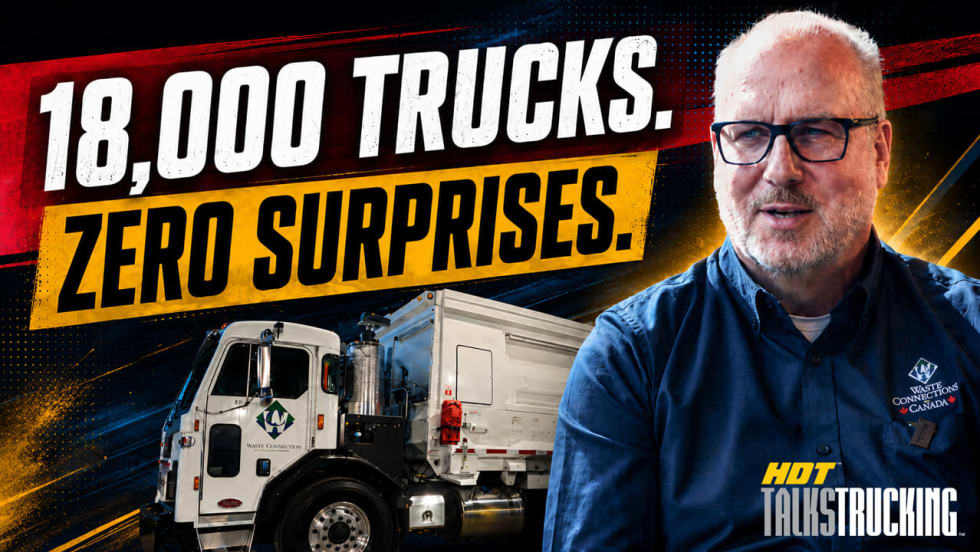
Why Fleet Data Matters More Than Ever at Waste Connections [Watch]
Waste Connections' Chuck Palmer explains how telematics, predictive maintenance, safety analytics, and AI help keep vehicles on the road and drivers safe in this episode of HDT Talks Trucking.
Read More →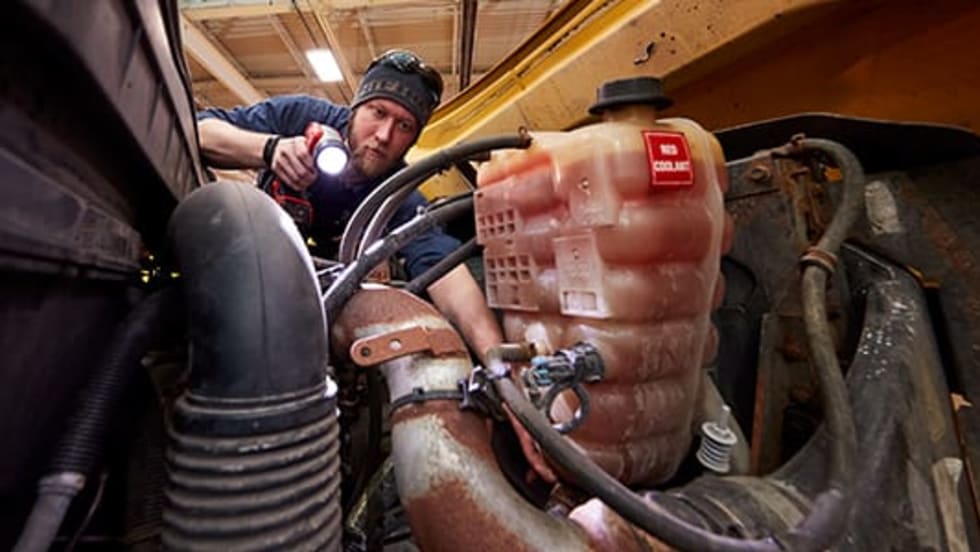
How to Prevent Summer Truck Cooling System Failures
Summer heat puts heavy-duty truck cooling systems under intense strain. Learn how preventive maintenance and accurate repair information can help reduce downtime.
Read More →
Deadline Extended for HDT Truck Fleet Innovators Nominations
Heavy Duty Trucking has extended the deadline for nominations for its Truck Fleet Innovators awards. The deadline has been extended to May 22.
Read More →
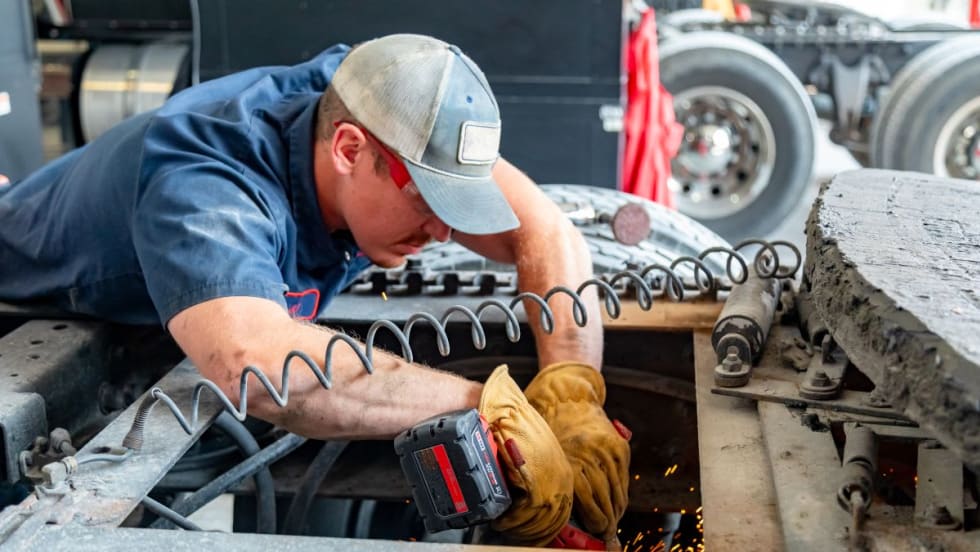
Why VMRS Is the Natural Link Between AI, Predictive Analytics, and Vehicle Repairs [Commentary]
Jon White was a leading figure in the development of VMRS. Now, after five decades of service, White says VMRS is becoming essential to the AI-driven future of truck maintenance.
Read More →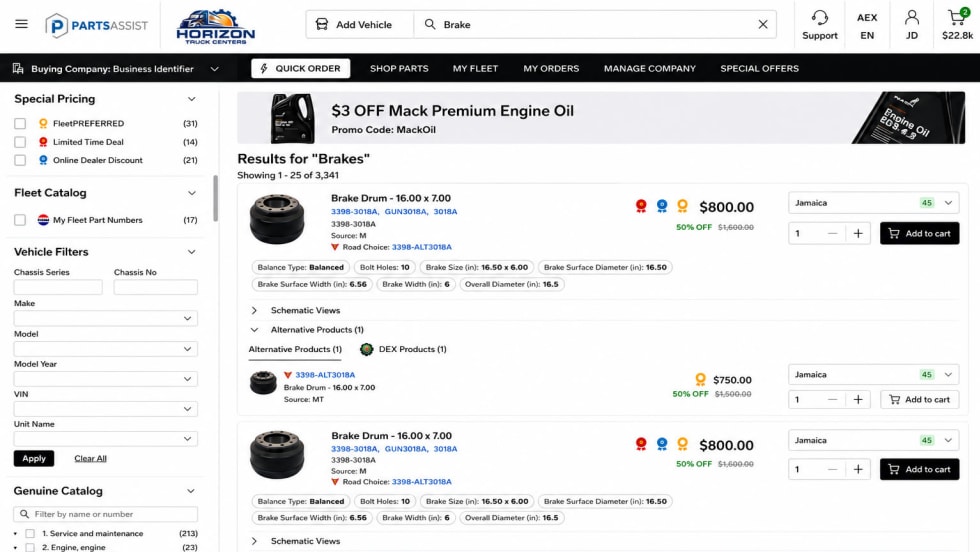
Mack Trucks Revamps PartsASIST Platform with Faster Performance, Improved Navigation
Mack Trucks has launched a redesigned version of its PartsASIST online ordering platform, adding faster search, real-time inventory visibility and enhanced order tracking.
Read More →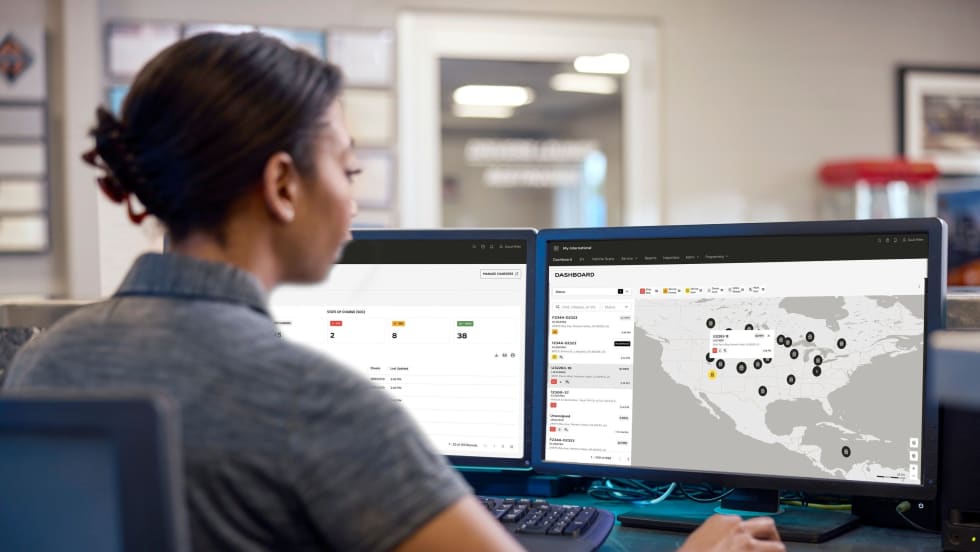
International Debuts ‘My International’ Connected Platform to Centralize Fleet Data, Service, and Dealer Communication
International’s New digital ecosystem unifies telematics, maintenance, and dealer interaction into a single interface, aiming to reduce downtime and deliver predictive fleet insights.
Read More →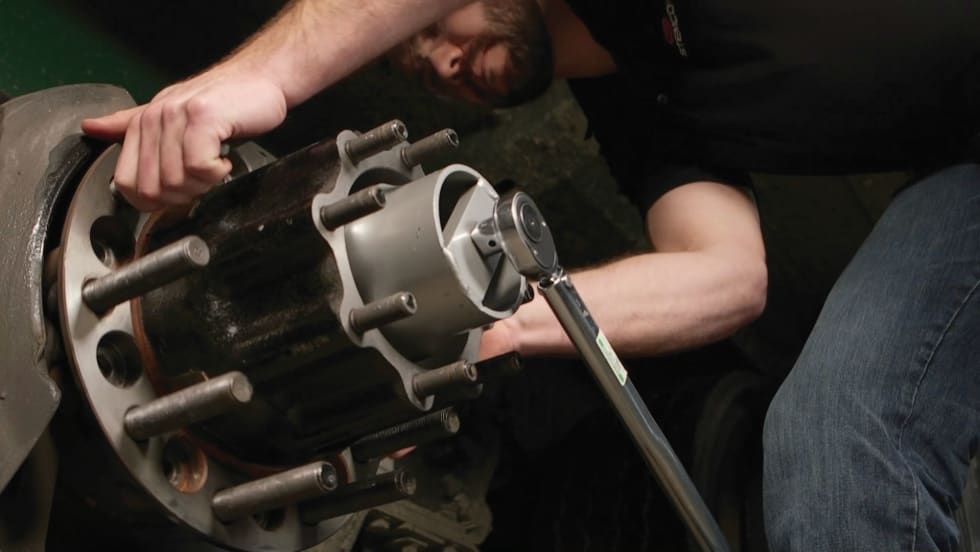
Saving Fuel at the Wheel End
Wheel ends are often overlooked in the quest for better fuel economy. But Joshua Kucera, product manager, Stemco, warns that neglecting wheel ends can reduce fuel economy and increase maintenance headaches.
Read More →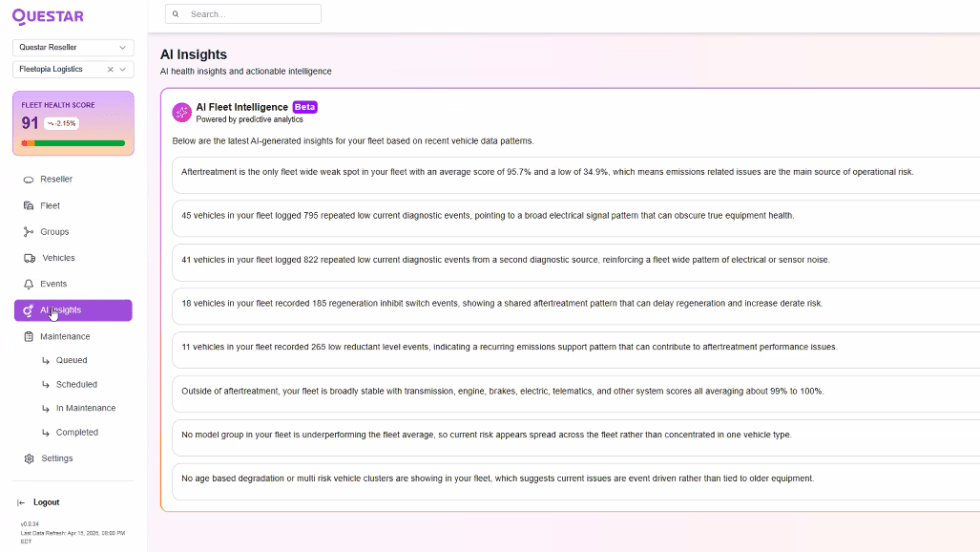
Beyond Predictive: Questar Adds AI-Driven Repair Recommendations to Fleet Maintenance
Questar’s latest maintenance platform uses AI to flag potential failures, recommend repairs, and estimate the cost of waiting, helping fleets prioritize maintenance and save money and downtime.
Read More →
API Formally Approves Next-Gen Engine Oil Category for 2027 Engines
Heavy-duty engine oil marketers can begin finalizing formulations and preparing product packaging to meet the new oil specifications ahead of the January 1 licensing date.
Read More →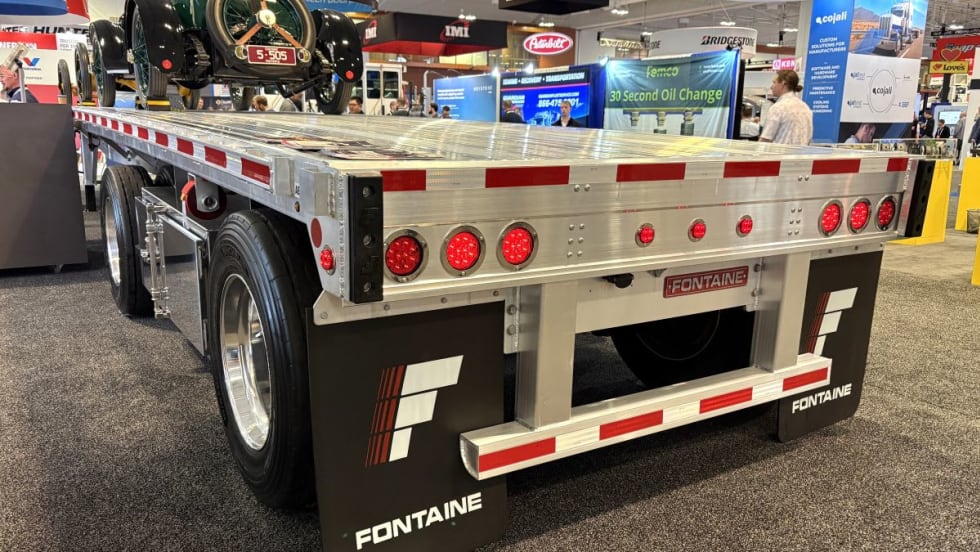
Fontaine Expands Flatbed Lineup with New Fleet-Focused Models, Eyes 2027 Launch
Fontaine is broadening its flatbed lineup with new models aimed at fleets, including a lightweight aluminum trailer expected in 2027 that emphasizes durability, repairability, and lower cost.
Read More →