




7 Tips to Create a Driver Wellness Program That Works
We have officially entered the CSA era of regulation from the U.S. Department of Transportation. With this, we will see changes in commercial driver s license standards and driver qualification — and likely an increased emphasis on driver wellness.

Many companies have designed "wingman" programs encouraging employees to work out together or check up on how the other is doing.

We have officially entered the CSA era of regulation from the U.S. Department of Transportation. With this, we will see changes in commercial driver s license standards and driver qualification — and likely an increased emphasis on driver wellness.
Although there are challenges with creating a wellness program that drivers will actually adopt, the rewards of improving employee wellness are great. Decreased health care and worker's compensation costs, greater control of insurance premiums, and improvement of safety records are just a few of the reasons to invest the time in a wellness program for your drivers.
There are unique challenges in designing a program that works for drivers. A shortage of healthy food options, ergonomically unfriendly workspaces and extreme fatigue are just a few barriers to driver wellness.
These should not be excuses to avoid investing in a wellness program, just things to take into consideration in designing a program.
The following tips can help any trucking company looking to start a wellness program.
1. Ask drivers what kind of wellness information they want
Driver input should help guide the content you develop. Some over-the-road drivers do not come into the office for weeks at a time. It's often difficult to get face time with those drivers.
Make it a priority to talk to these drivers when you can and ask them what will work for them. Finding out how you can help them and then following through has proven successful.
2. Offer exercise suggestions that fit drivers’ schedules
Over-the-road drivers or long-haul drivers are allowed to work up to 70 hours in an eight-day period. Once they log in to start the day, they have to stop within 14 hours. During that period they are allowed to drive a maximum of 11 hours, so by law you have a minimum of three hours to help them use that time to improve their health.
Provide suggestions on stretching, exercise and healthy eating that they can incorporate into this demanding schedule.
Drivers can walk around their trucks. 34 laps around a big rig is a mile. They can use kettle bells, or do a stretching program all within their trucks. Some TA/Petro truckstops have put in workout rooms and/or offer maps suggesting nearby places for a walk.
3. Promote stretching programs
Stretching is key to back safety and overall driver wellness and health. Participating in a stretching program can help with long hours of being in a cab. It might also help with bouncing back if injury should occur.
Have a professional demonstrate proper stretching during a safety meeting to help drivers see what they should be doing.
4. Get drivers to help each other
Grassroots support is key to making any wellness program work. Having just one driver advocate to help communicate the message amongst the other drivers will go a long way.
Create a way for drivers to share information with one another, such as which truckstops are the best places for a walk or offer healthy food options.
This can be as simple as asking drivers for input and then distributing the information.
Many companies have designed “wingman” programs encouraging employees to work out together or check up on how the other is doing.
5. Encourage preventive screenings
Drivers are at an increased risk for a host of health challenges. Extreme fatigue, sleep apnea, high blood pressure, diabetes, depression, loneliness and anxiety are just a few areas where drivers may need extra help.
Screenings and preventive measures can identify these problems early and allow for treatment or behavior changes that will lessen the severity or onset of these conditions.
6. Reward drivers for quitting smoking
Smoking is a major problem among driver populations. A focus of communication can be tips to stop smoking as well as factual information on the effects. Beyond this, look for ways to reward those that have quit or those who have never smoked at all.
7. Demonstrate a top-down commitment to wellness programs
Management commitment to a healthier workforce is essential, so executives should actually participate in the wellness program themselves.
Things like dedicating company time to focus on wellness, allocating resources and time for your staff to develop programs, and providing the right coverage and incentives will demonstrate a sincere commitment to the wellbeing of employees.
When creating a wellness program, recognize there isn't a cookie cutter program out there. Wellness is the sort of problem that “you can't just write a check to cover.”
Adapted from Megan Young's posts on the “Steal These Ideas” blogfor HNI, a non-traditional insurance company that helps clients address risk. Used with permission. Go to www.hni.com/blog for more ideas.
More Fleet Management
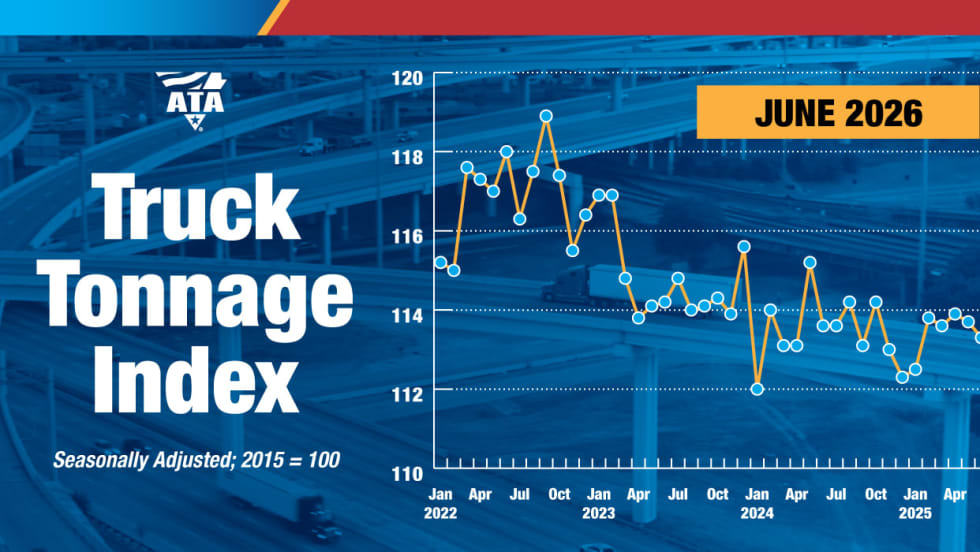
Freight Tonnage Down, Rates up, as Lower Capacity Powers Trucking Recovery
The recovery from the freight recession continues to be driven by reduction in capacity rather than by increased demand.
Read More →
Think Your Trucking Fleet Isn't Using Much AI? Think Again
Shadow AI — the use of unauthorized artificial intelligence tools at work — is becoming increasingly common, putting sensitive company data at risk. Learn how trucking fleets can protect sensitive data while embracing AI.
Read More →
ArcBest Consolidates Brands, Cuts Workforce
The company will bring three business units under the ArcBest brand, eliminate about 2% of positions, and expects the changes to generate $40 million in annual savings.
Read More →

Trucking Fleets Faced Record Operating Costs During Third Year of Freight Recession
ATRI's annual operational cost report shows carriers trimmed fleets, delayed equipment purchases, and ran older trucks as expenses continued to outpace freight rates.
Read More →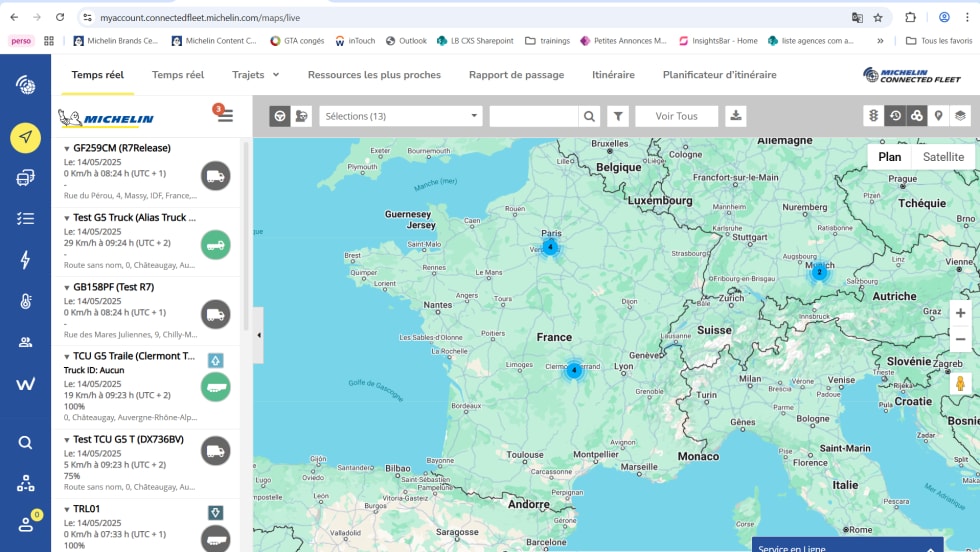
Michelin Adds AI Assistant to MyConnectedFleet Platform
Michelin’s new generative AI tool delivers instant fleet insights, helping managers analyze fuel use, tire maintenance, vehicle status, and operational performance without manually creating reports.
Read More →
LytxOne Platform Now Features AI, Compliance, and Asset Tracking Tools
New enhancements add AI-powered insights, asset tracking, compliance automation, and configurable privacy controls to Lytx's all-in-one fleet management platform.
Read More →
July Imports Poised to Set Container Record
The National Retail Federation projects July container imports will surpass the pandemic-era record as shippers frontload freight ahead of expected August tariff increases.
Read More →
HDT Announces 2026 Truck Fleet Innovator Finalists
From AI and fleet electrification to safety, operations, and leadership, these HDT Truck Fleet Innovator finalists are changing how trucking gets done.
Read More →
Van Spot Rates Top Contract Rates for First Time Since 2022
There’s more good economic news for the North American trucking industry according to the latest Truckload Volume Index report from DAT.
Read More →
Carrier Transicold Extends Refrigerated Trailer Life
Fleet Refresh enables refrigerated fleets to replace aging transport refrigeration units instead of entire trailers, while adding Lynx Fleet telematics and BluEdge service coverage.
Read More →