




What's up with biodiesel?
Bet you didn't celebrate National Biodiesel Day, did you? March 18 if you were wondering
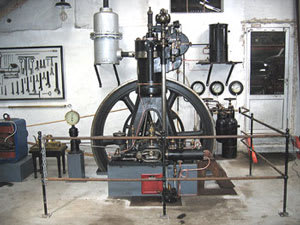
Bet you didn't celebrate National Biodiesel Day, did you? March 18 if you were wondering.
That is actually a significant date, namely Rudolf Diesel's birthday. Born in 1858, the poor guy expired in 1913 after apparently falling into the English Channel while traveling by boat from France to Jolly Old. Conspiracy theorists figure the French did it, but I suspect they were all stuffing their little Gallic faces with croissants at the time.
Before he met his maker he built the first diesel engine in 1906, a single-cylinder job turning a quick 180 rpm and producing 12-horsepower in the process. A stationary engine, it helped produce 110-volt electricity in a Danish sanatorium for tuberculosis sufferers. The beast was in service until 1936.
I mention all this, almost two months after the blessed day, because I've spent much of the last week delving even further into the realm of biodiesel fuel than I've already done over the last few years. And of course I came across the Rudolf Diesel connection because the biodiesel industry claims him as its own. His groundbreaking engine ran on peanut oil, after all, and folks at the U.S. National Biodiesel Board are given to loud praise of his foresight.
In a 1912 speech, the NBB reports that Diesel said, "...the use of vegetable oils for engine fuels may seem insignificant today, but such oils may become, in the course of time, as important as petroleum and the coal tar products of the present time."
The thing is, that first diesel was designed to run on just about anything from road kill on up. Powdered coal was one fuel option, but there were many others, though peanuts weren't a bad choice because their oil is energy-rich and the oil yield per acre is relatively high (unlike soybeans, for example.)
Old Rudy and his quasi-vegetarian engine aside, I've been skulking around the biodiesel world because I wondered how things were there these days. With the incredible hype surrounding natural gas and its sudden savior-like status, I had to ask if biodiesel still has a place in the transportation world. The shine seems to have gone off hybrids too, and I'll be looking at that situation next.
Biodiesel has indeed had setbacks recently, apart from being simply overshadowed by natural gas in the public pysche. The NBB is still bemoaning the fact that the U.S. Senate voted down two amendments that would have extended the biodiesel tax incentive through the end of the year.
Congress allowed the $1-per-gallon biodiesel incentive to expire on Dec. 31, 2011, despite the fact that it had helped the biodiesel industry achieve record production last year of nearly 1.1 billion gal. That easily beat the 800-million-gallon target required under the EPA's Renewable Fuel Standard, and it compares to a paltry 15 million gallons just 10 years ago. The NBB is still pressing for an extension to prevent a drop in production and potential layoffs amongst the 39,000 people said to be employed in the industry.
Read more about biodiesel and other alternative fuels in the June issue of HDT.
More Equipment
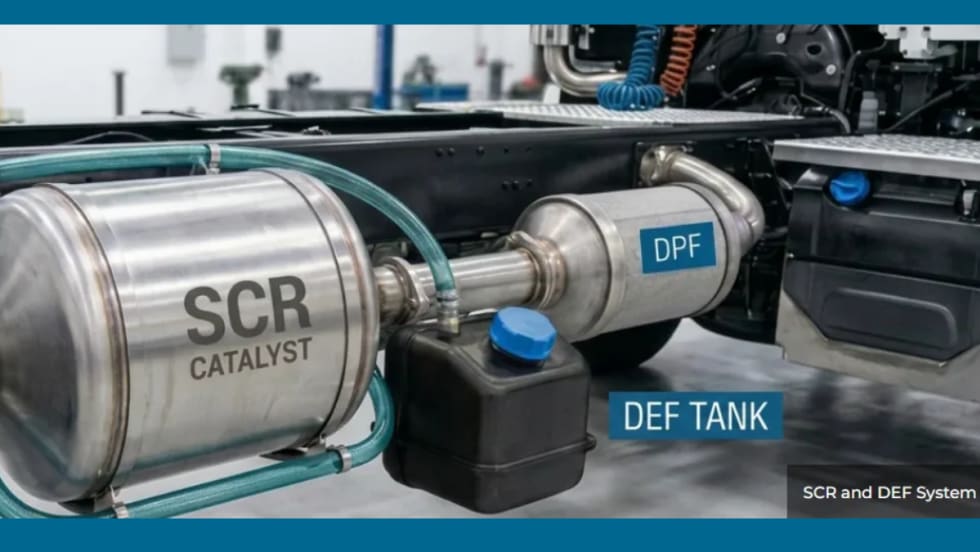
Engine Technology Forum Launches SCR, DEF Resource Center Amid Emissions Debate
The Engine Technology Forum’s new online hub aims to provide fleets, policymakers, and equipment owners with fact-based information about selective catalytic reduction technology, diesel exhaust fluid and emissions compliance.
Read More →
Prime Inc. to Open $7.9M Flagship Used-Truck Dealership
A new driver-focused facility to sell Prime Inc's used trucks and trailers will be the first purpose-built location in the company's history.
Read More →
Lessons Learned About Alternative Fuels: Start Small, Stay Flexible
Practical advice on adopting alternative fuels and ZEVs from HDT's 2026 Top Green Fleets, from renewable diesel and natural gas to electric trucks.
Read More →
Kenworth Names Peter Ahrens General Manager
Leadership changes at Kenworth take effect July 1 as the OEM promotes two longtime Paccar executives to key management roles.
Read More →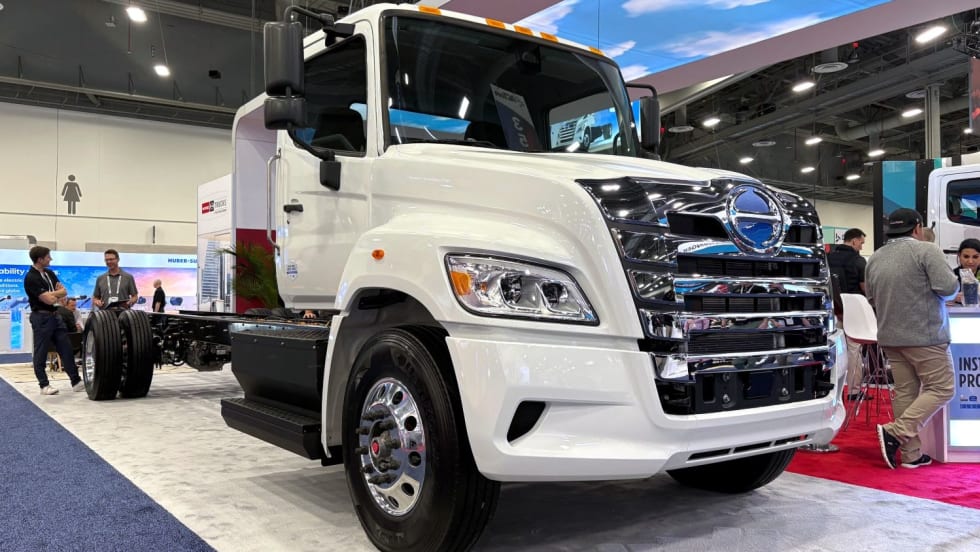
Hino Adds Electric Class 6/7 Truck
Hino says the Le Series is an important step in the company's efforts to reduce environmental impact and support its customers’ sustainability goals.
Read More →
ACT Expo 2026: Highlights in Photos
The 2026 Advanced Clean Transportation Expo featured a broad range of commercial vehicle technologies, from EVs to autonomous trucks to the latest diesel and alternative-fuel engines.
Read More →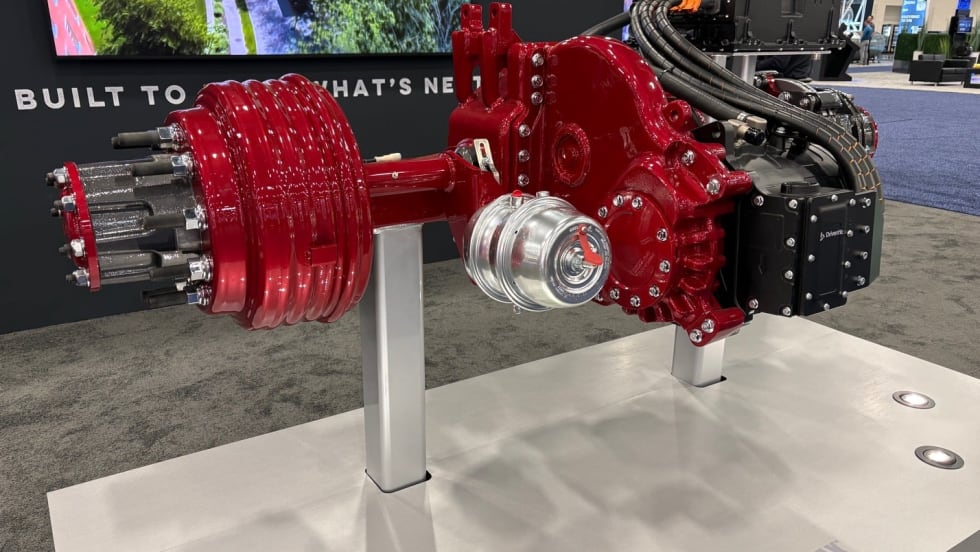
Hendrickson Debuts Electraax E-Axle for Medium-Duty Trucks
Developed with Driventic, Hendrickson's new integrated e-axle is designed to improve efficiency, reduce weight, and extend range in Class 6-7 EV applications.
Read More →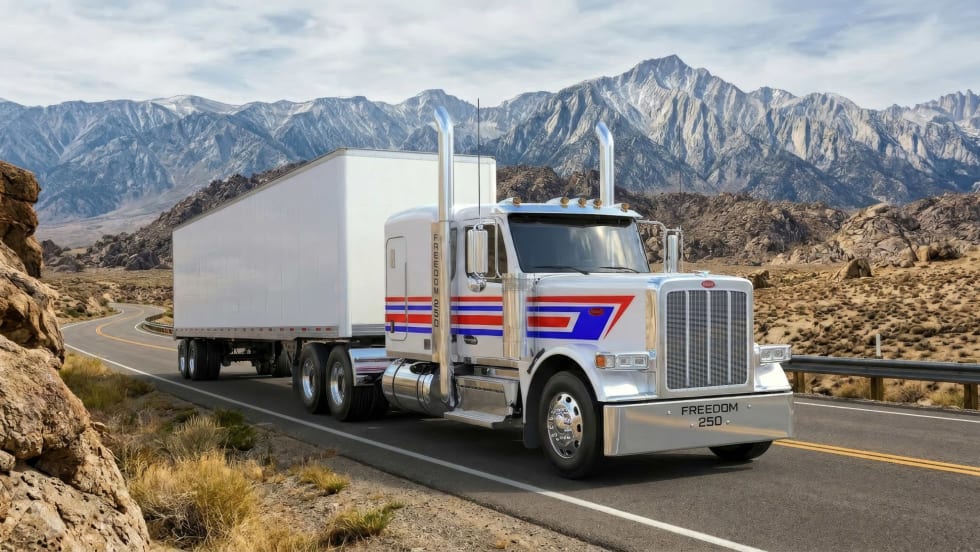
Peterbilt Unveils Freedom 250 Special Edition Model 589
Peterbilt’s just-announced limited-run patriotic Model 579 tractor celebrates America’s 250th birthday with custom styling and premium features.
Read More →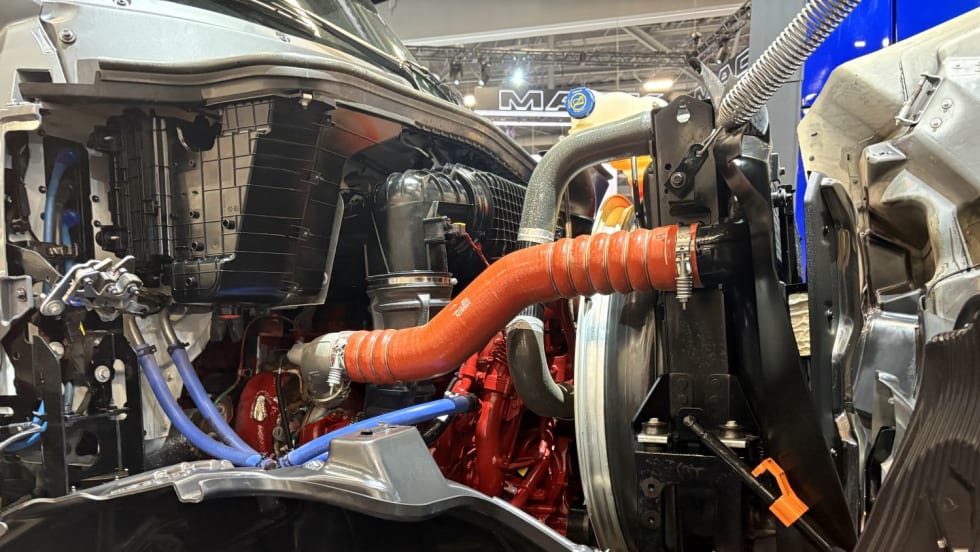
Mack Unveils EPA 2027-Compliant MP13 Engine With More Power, Better Fuel Economy
Along with unveiling its EPA 2027-compliant MP13 engine, Mack outlined powertrain changes across its Class 6-8 lineup, including new Cummins-based X10 engines.
Read More →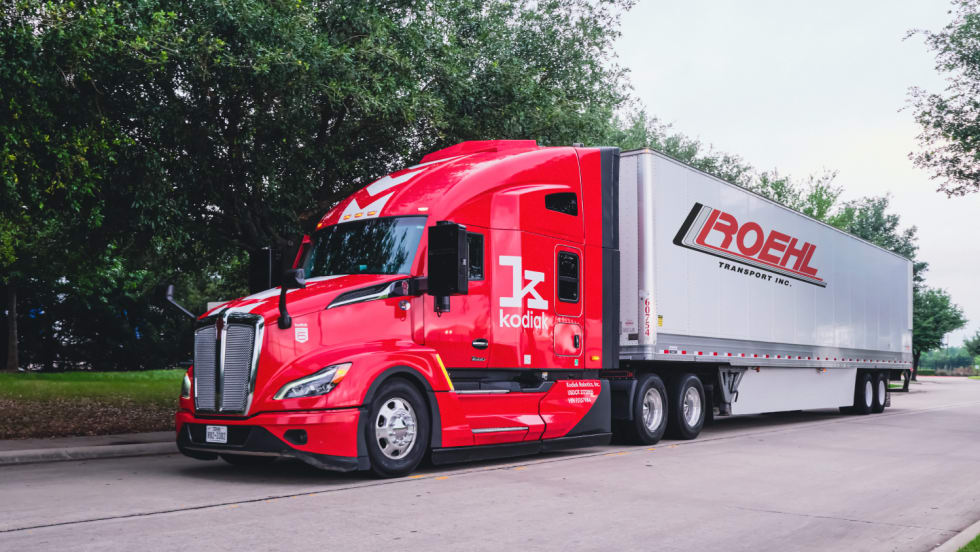
Kodiak and Roehl Transport Launch Autonomous Route Between Dallas and Houston
Kodiak AI and Roehl Transport have begun autonomous freight operations on a regular Dallas-Houston route, marking another step toward Kodiak’s planned driverless launch by the end of 2026.
Read More →