




Factory Installation Ensures Inverter-Charger Safety, Company Says
As inverter usage grows among truckers who want to convert standard battery (DC) power to AC household current to power electrical appliances and entertainment systems and reduce idling, Xantrex Technology recommends installation by a truck OEM or an authorized dealer
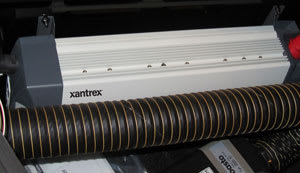
The Xantrex Freedom HF inverter-charger is offered as an option by major truck manufacturers. The inverter-charger powers in-cab loads such as TV and microwaves without idling by utilizing the truck’s batteries.
As inverter usage grows among truckers who want to convert standard battery (DC) power to AC household current to power electrical appliances and entertainment systems and reduce idling, Xantrex Technology recommends installation by a truck OEM or an authorized dealer.
According to Xantrex, which makes onboard power products for commercial trucks, inverter shipments have risen sharply since 2005, and the company expects sales to increase at least 40% in the next few years.
An inverter-charger powers in-cab loads such as TV and microwaves without idling by using the truck's batteries. As a safeguard, the unit will shut off automatically when battery voltage drops to a pre-set level to preserve the batteries and ensure the truck starts. When shore power is available, the external source provides power to the loads and charges the batteries.
"For fleets aiming to retain drivers and provide them with a more comfortable experience in the cab, adding an inverter-charger will go a long way toward job satisfaction," says Steve Carlson, OEM sales manager for Xantrex. "Plus, fleets and owner-operators will realize lower fuel costs, reduce idling that will save wear and tear on truck engines and enhance resale value."
Professional installation of an inverter-charger offers several advantages. "When you have the inverter-charger factory installed, the manufacturer uses the proper size cables, fuses and components for the system," Carlson says. "OEM or authorized dealer installation will give the fleet operator confidence that the inverter-charger unit will function properly without harming the truck's electrical system."
Another advantage of choosing factory installation is the inverter-charger cost can be included as part of the overall truck financing and vehicle warranty. Installing the system up-front will be more economical in the long run, Carlson adds. If the operator chooses to install an inverter on an existing truck, Xantrex suggests using a qualified service location.
Carlson recommends against self installation. "There is a big difference between tackling your own wiring at home and wiring a vehicle that vibrates down the road all day long," he says. "A common mistake people make when installing a system is using undersized battery cable that can lead to overheating of the cable and consequent damage to the truck and property and risk to personal safety."
Carlson also urges truck operators to look for an inverter compliant with Underwriters Laboratories standard 458. "Products certified to UL458 standards maintain high electrical standards for safety and are designed to withstand the rigors of demanding in vehicle applications," he says. "Many power products in the aftermarket don't carry the UL listing, which is recommended by many trucking industry associations."
More Fuel Smarts
Lessons Learned About Alternative Fuels: Start Small, Stay Flexible
Practical advice on adopting alternative fuels and ZEVs from HDT's 2026 Top Green Fleets, from renewable diesel and natural gas to electric trucks.
Read More →
Kempower Adds Flex EV Charger to Help Support Transition to Megawatt Charging
The Kempower Mega Satellite Flex has both a CCS and MCS connector, allowing operators to serve both types of heavy-duty vehicles.
Read More →
Hino Adds Electric Class 6/7 Truck
Hino says the Le Series is an important step in the company's efforts to reduce environmental impact and support its customers’ sustainability goals.
Read More →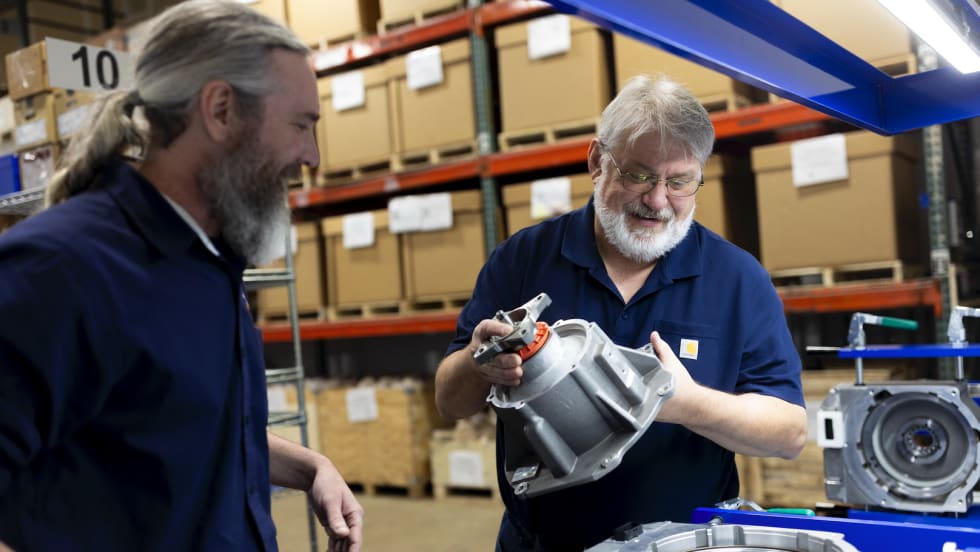
Can Multi-Speed EV Transmissions Solve Heavy Trucking’s Biggest Electric-Vehicle Problems?
A startup called Sigma Powertrain believes purpose-built multi-speed gearboxes can boost efficiency, reduce battery size and improve gradeability for heavy-duty battery-electric trucks.
Read More →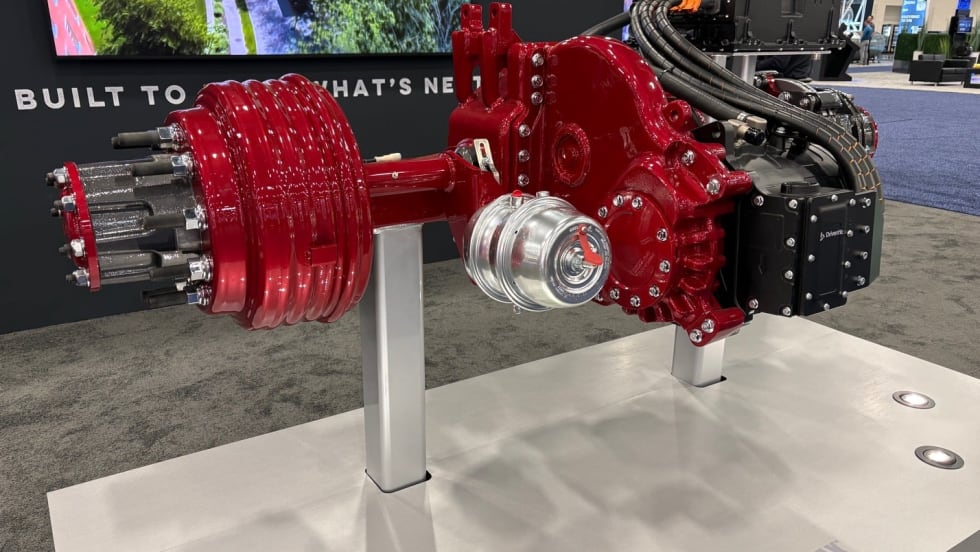
Hendrickson Debuts Electraax E-Axle for Medium-Duty Trucks
Developed with Driventic, Hendrickson's new integrated e-axle is designed to improve efficiency, reduce weight, and extend range in Class 6-7 EV applications.
Read More →
50 Ways Fleets Can Cut Fuel Costs Now — Without Buying New Trucks
Fuel savings don’t come from one big change. They come from dozens of small ones. Here’s how leading fleets are stacking gains across drivers, routing, maintenance, and more.
Read More →
Top Green Fleets 2026: How Fleets Are Reducing Emissions in the Real World
What works in sustainable trucking today? Heavy Duty Trucking's Top Green Fleets are finding practical ways to cut fuel use, reduce emissions, and keep freight moving.
Read More →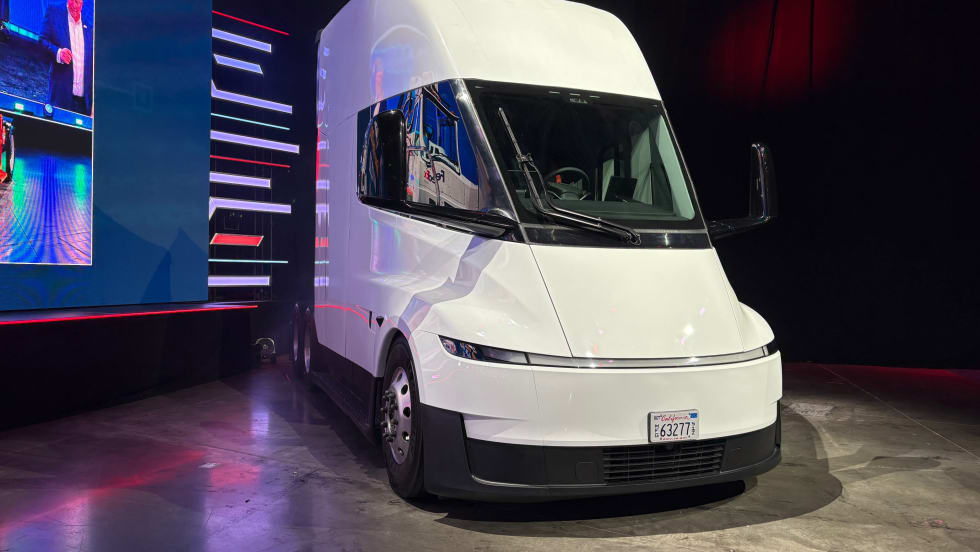
California Launching $1 Billion Electric Truck Rebate Program
CARB says the California Clean Fuel Reward program will begin offering point-of-sale rebates of up to $120,000 for electric commercial trucks starting June 26.
Read More →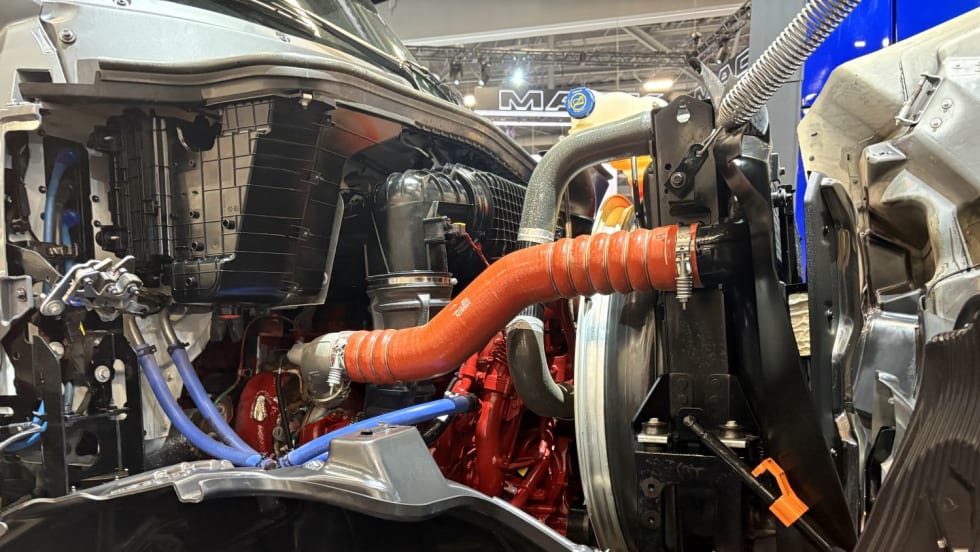
Mack Unveils EPA 2027-Compliant MP13 Engine With More Power, Better Fuel Economy
Along with unveiling its EPA 2027-compliant MP13 engine, Mack outlined powertrain changes across its Class 6-8 lineup, including new Cummins-based X10 engines.
Read More →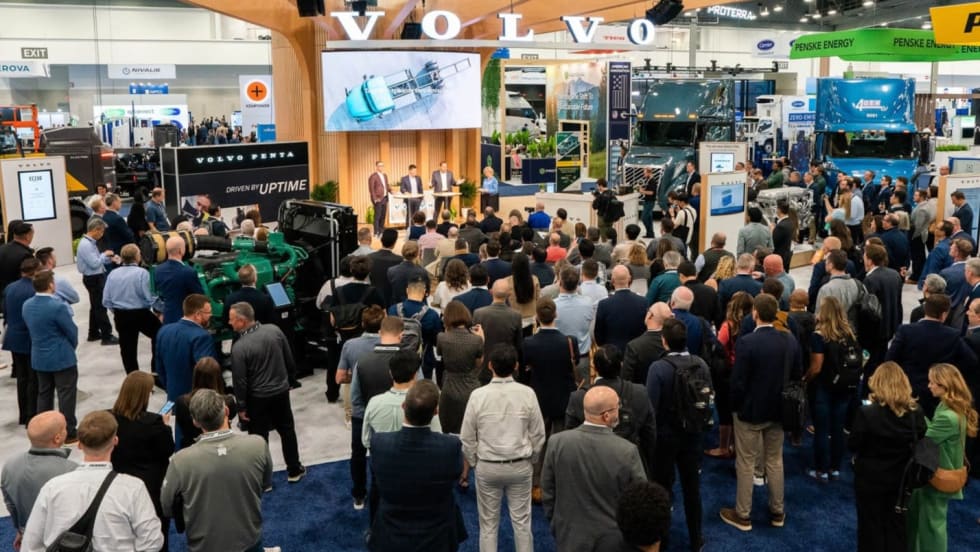
How Volvo’s New D13 Engine Meets EPA 2027 Emissions Without Sacrificing Power or Fuel Efficiency
Volvo says advances in combustion and aftertreatment helped its new EPA 2027 D13 engine avoid the fuel-economy penalties many once expected from tighter NOx emissions limits.
Read More →