




'Tall' gearing and a big engine deliver 12 mpg in a Class 7 truck, expedited-freight hauler claims
"Tall" gearing and a large engine are giving an expedited freight hauler the high fuel economy he sought, even if most factory engineers won't approve his spec'ing requests
"Tall" gearing and a large engine are giving an expedited freight hauler the high fuel economy he sought, even if most factory engineers won't approve his spec'ing requests.
Tom Buchwald, who heads Expedel Services out of Shelbyville, Tenn., recently purchased a Class 7 straight truck with an engine and transmission about twice the size of what such trucks usually have.
He says it's getting about 12 mpg in highway service, compared to 6 or 7 mpg with a typical medium-duty truck whose powertrain components are much smaller and whose engine races to keep up speed.
While cruising at 55 mph, the 385-horsepower Paccar MX engine in his new Peterbilt 384 loafs at 1,100 rpm, where its torque output is highest at 1,650 pounds-feet. The Eaton UltraShift Plus transmission is in 13th gear, the higher of its two overdrive ratios. This is with a 3.21 to 1 axle ratio.
"I wanted a 2.50 ratio but the engineers wouldn't approve it," he said. "With it, the transmission would've been in 11th-direct, for even more efficiency" while the truck cruised at 55.
With the two overdrive ratios still available, higher road speeds would've been possible without revving up the engine.
He knows that his idea isn't new. Old-timers used to preach that a big engine could get better fuel mileage because it loafed instead of working its heart out like smaller engines did. As someone with 30 years in trucking, he's an old-timer himself.
"It's pretty ridiculous that they build trucks that get only 6 mpg," Buchwald says. "Engineers limit us tremendously. You can't get a 10- or 13-speed transmission in a medium-duty truck. They're underpowered and undergeared. "
He chose an aerodynamically styled Model 384 because it's a Class 8 that offers the components he wanted. It allowed him to spec a large engine and multi-speed transmission while downsizing the axles for a gross weight rating of 33,000 pounds. Its typical loaded weight is 28,000 pounds.
He went this route after investigating Eaton's diesel-electric hybrid system in medium-duty trucks from all the major builders. No one would approve his over-the-road application using a tall axle ratio. Engineers feel a short, 5.00-plus ratio is needed for high driveline speeds needed to generate electricity.
This frustrates him because even without a lot of stop-and-go driving, the usual application for a hybrid, the up-and-downgrade terrain profiles in many parts of the country offer sufficient opportunity for regeneration.
Electric power generated on downgrades could charge the hybrid's batteries and that energy can be used to climb hills, saving fuel. Even more would be saved by the slow-revving engine when it operates alone.
Falling back to the-diesel-only design, "I looked for alternatives," Buchwald relates. "They don't want me lugging the engine and won't give me higher horsepower. I searched for a 350- to 400-horsepower engine that I could gear real low. My experience was 330 got higher economy than a 300, 9.5 to 10 mpg instead of 5, 6, 7 that all these trucks are getting."
He also runs seven Mercedes-made Sprinter vans that have small 2.7- and 3-liter diesels but "big" 5-speed transmissions. The latest have 3.73 axle ratios compared to 4.10 on the older models, and with the taller ratio his Sprinters get 19 and 20 mpg vs. 17.
Buchwald says he will test his Pete 384 some more and might order another with a taller rear end. That would "push" the transmission so it puts more ratios at highway speeds, where they can be better used in his type of operation.
"It's all about gearing," he declares. And engine size.
More Equipment
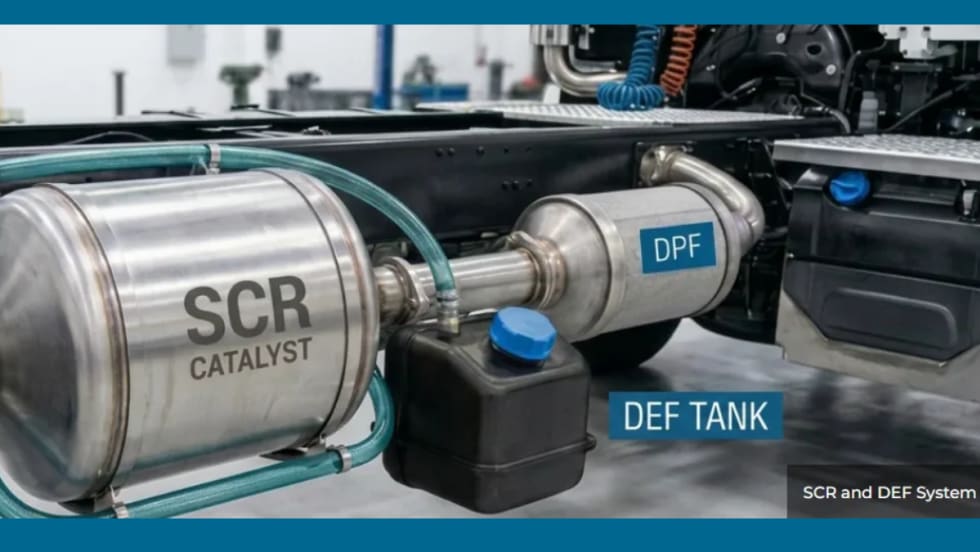
Engine Technology Forum Launches SCR, DEF Resource Center Amid Emissions Debate
The Engine Technology Forum’s new online hub aims to provide fleets, policymakers, and equipment owners with fact-based information about selective catalytic reduction technology, diesel exhaust fluid and emissions compliance.
Read More →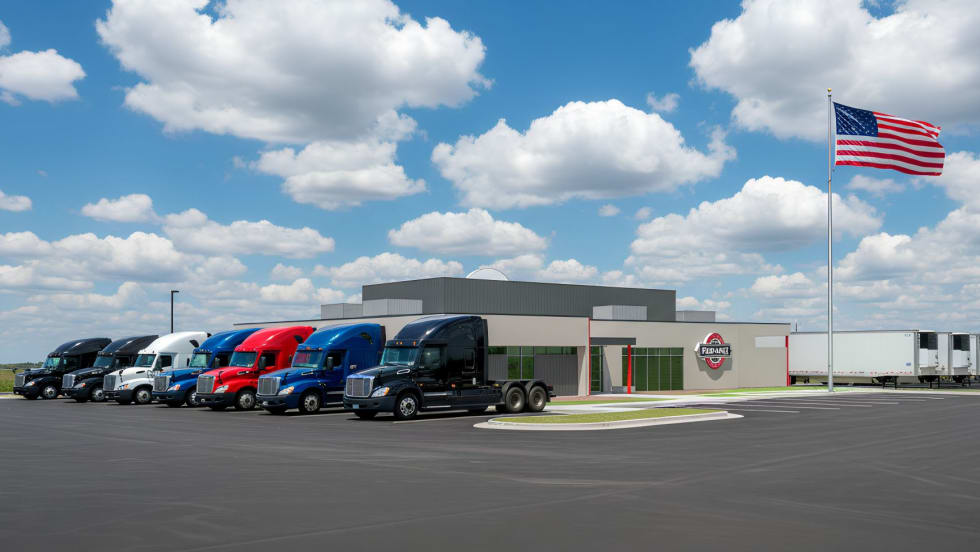
Prime Inc. to Open $7.9M Flagship Used-Truck Dealership
A new driver-focused facility to sell Prime Inc's used trucks and trailers will be the first purpose-built location in the company's history.
Read More →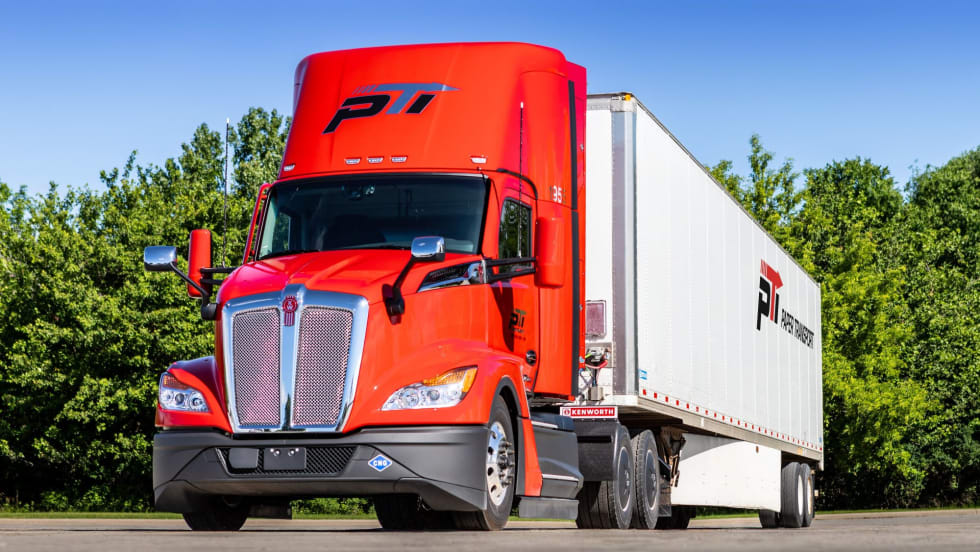
Lessons Learned About Alternative Fuels: Start Small, Stay Flexible
Practical advice on adopting alternative fuels and ZEVs from HDT's 2026 Top Green Fleets, from renewable diesel and natural gas to electric trucks.
Read More →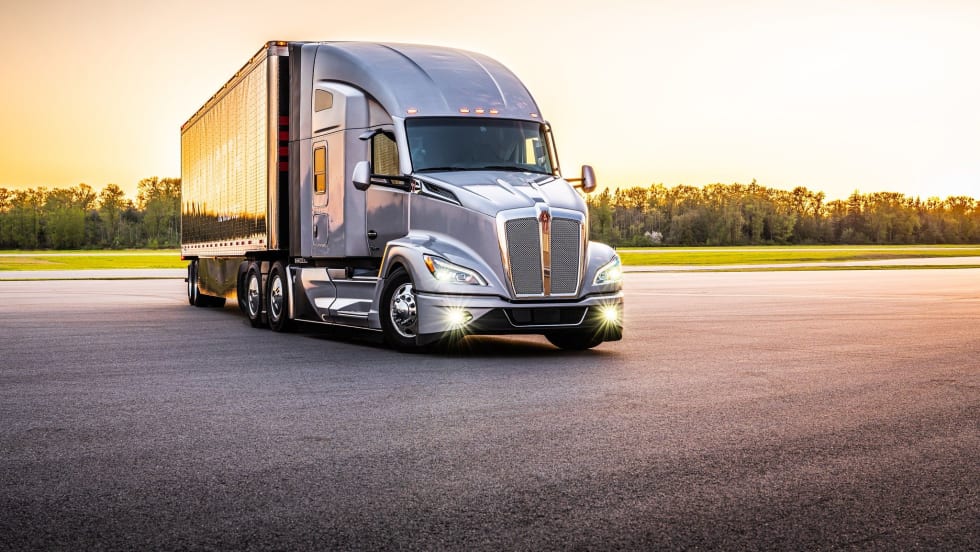
Kenworth Names Peter Ahrens General Manager
Leadership changes at Kenworth take effect July 1 as the OEM promotes two longtime Paccar executives to key management roles.
Read More →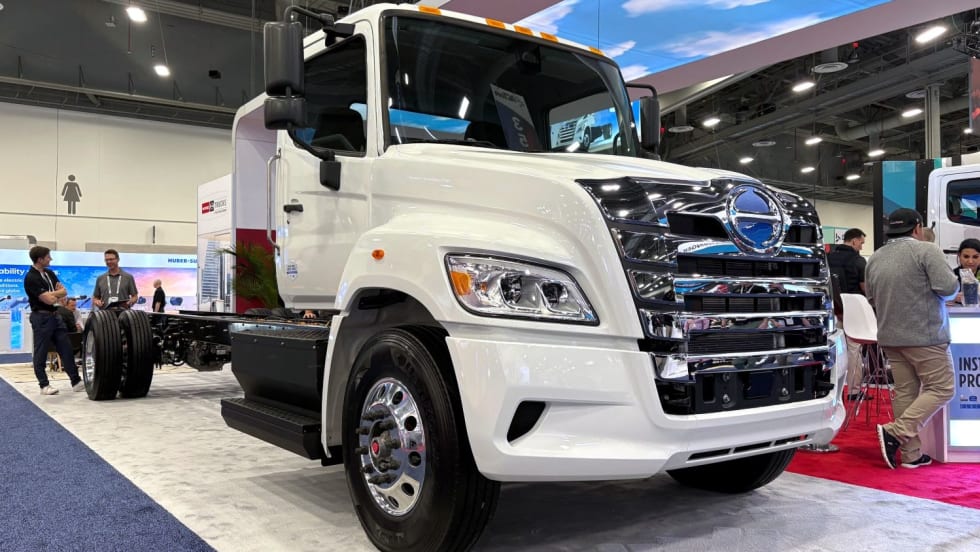
Hino Adds Electric Class 6/7 Truck
Hino says the Le Series is an important step in the company's efforts to reduce environmental impact and support its customers’ sustainability goals.
Read More →
ACT Expo 2026: Highlights in Photos
The 2026 Advanced Clean Transportation Expo featured a broad range of commercial vehicle technologies, from EVs to autonomous trucks to the latest diesel and alternative-fuel engines.
Read More →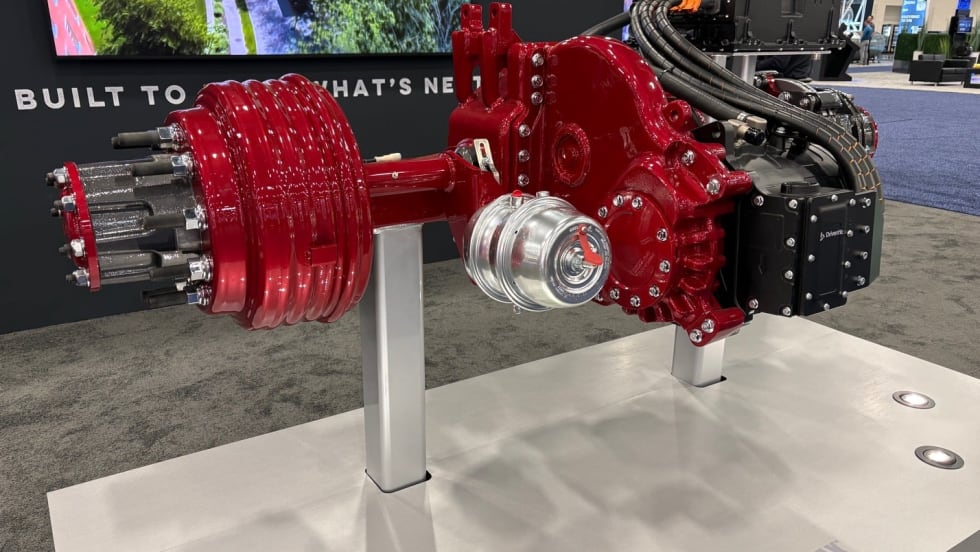
Hendrickson Debuts Electraax E-Axle for Medium-Duty Trucks
Developed with Driventic, Hendrickson's new integrated e-axle is designed to improve efficiency, reduce weight, and extend range in Class 6-7 EV applications.
Read More →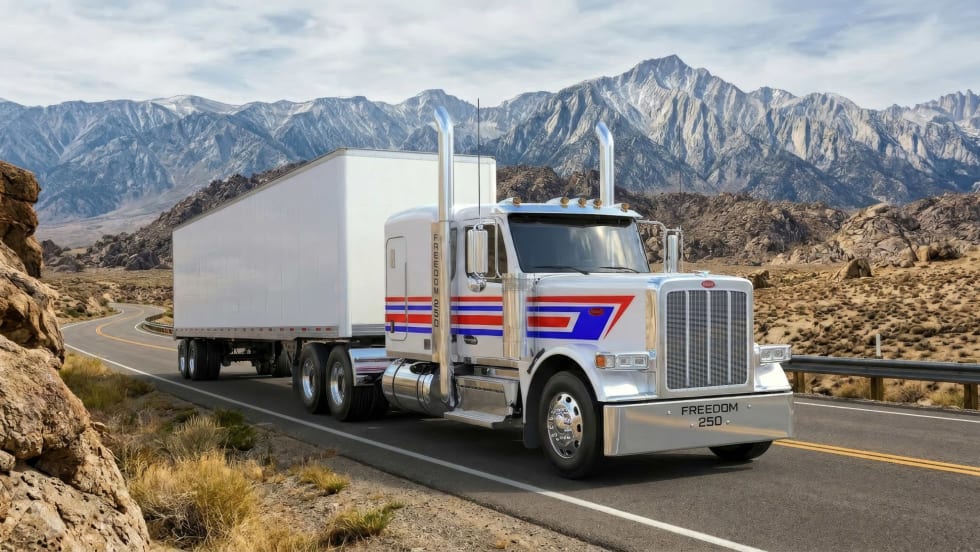
Peterbilt Unveils Freedom 250 Special Edition Model 589
Peterbilt’s just-announced limited-run patriotic Model 579 tractor celebrates America’s 250th birthday with custom styling and premium features.
Read More →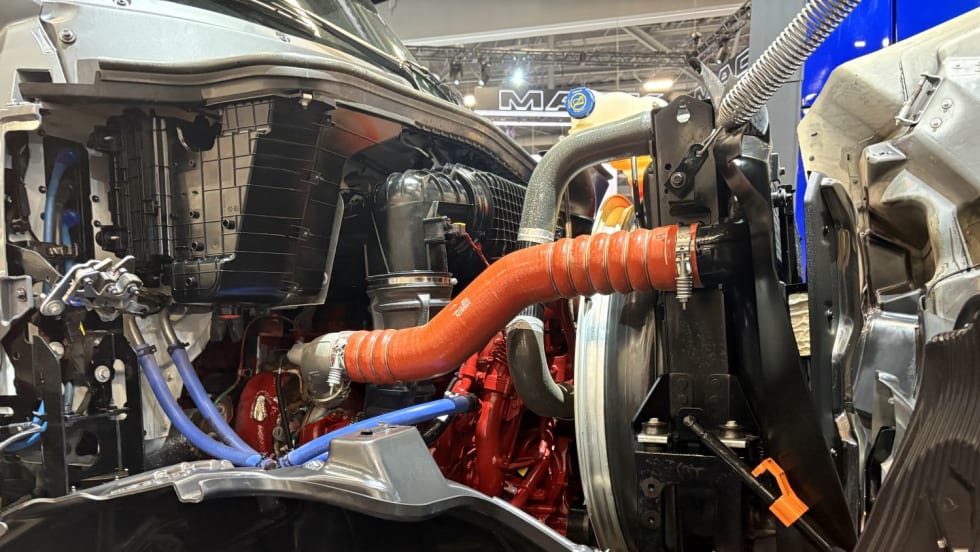
Mack Unveils EPA 2027-Compliant MP13 Engine With More Power, Better Fuel Economy
Along with unveiling its EPA 2027-compliant MP13 engine, Mack outlined powertrain changes across its Class 6-8 lineup, including new Cummins-based X10 engines.
Read More →
Kodiak and Roehl Transport Launch Autonomous Route Between Dallas and Houston
Kodiak AI and Roehl Transport have begun autonomous freight operations on a regular Dallas-Houston route, marking another step toward Kodiak’s planned driverless launch by the end of 2026.
Read More →