




Trailer Report: What Fleets Are Buying in Flatbeds
Sales of flatbed trailers have revived along with the rest of the heavy truck business

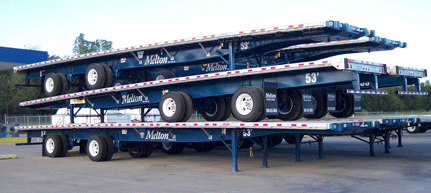
Melton Truck Lines bought 200 new steel-and-aluminum flatbed trailers from Great Dane and Utility this year.
Sales of flatbed trailers have revived along with the rest of the heavy truck business.
We talked with three who were among the buyers this year. The specs address concerns such as weight, corrosion control, long life, customer needs, and concern about the new CSA enforcement program from the Federal Motor Carrier Safety Administration.
All three fleets are also buying new trucks. They note that exhaust-emissions control equipment has bulked up new tractors by 1,100 or more pounds, so it's fortunate that trailers can be lightened up more readily.
Melton Truck Lines, Tulsa, Okla., bought 200 new steel-and-aluminum "combo" flats earlier this year, all 53 by 102s, and will probably acquire more in 2012, reports Jeff Robinson, senior vice president, maintenance. Suppliers were Great Dane and Utility, who are "kind of the leaders in the trailer industry. That's good for us because if they do need to get serviced on the road, they have dealers out there who can take care of it," and resale values are good.
"We went to 53-footers a few years ago," he says. "We found there was a niche market for lighter cargos, like air conditioning units," which require the extra deck length compared to the usual 48-footer. "And that's working well for us." Also, they are trying to get 10 or 11 years service life, and well-designed combo trailers will do that.
"Weight is very important to us," Robinson says. An empty Melton flatbed will scale at 10,000 to 10,500 pounds which, with a properly spec'd tractor, allows a 48,000-pound payload. Specs include 10-foot, 1-inch spread axles riding on Hendrickson Intraax air suspensions. The new 53s weigh the same as older 48s, largely thanks to aluminum crossmembers under their floors.
Aluminum stands up well to corrosion. Melton specifies urethane paint for the trailers' steel parts, and those are repainted right after any repairs are made, he said. So "we don't fight that corrosion problem" that is otherwise a common complaint by fleets, even though Melton runs 48 states and its rigs do see aggressive road salts.
Maverick Transportation, North Little Rock, Ark., also bought 200 new flatbeds this year as it upsizes its fleet. The recession-induced contraction in 2008-09 shrank the fleet from 1,700 trailers to 1,100. All but six of the new flats are Reitnouer MaxMisers, which is becoming the fleet's standard flat, says Mike Jeffress, vice president of maintenance.
It considers weight even more important than Melton does, so its 1,250 flatbeds are mostly aluminum. A 48-footer weighs 8,960 pounds and can haul a 50,000-pound payload. Steel, building materials and glass are the usual cargoes.
The other six new flats are Fontaine Revolutions without crossmembers. "We had four prototypes, and had pretty good luck with them," he says. The Revolutions each have several crossmembers to which glass racks can be bolted.
Rusting of steel parts is a problem for Maverick, he says. "Corrosion problems come in year seven and eight - suspension hangers and fifth wheel plates, due to magnesium chloride" road salt, he says. They replace them with galvanized parts, and new trailers come with these galvanized. Calcium chloride still attacks the galvan's pickling process, but they should last another two or three years.
"We aim for 18 years of life. It used to be 10 years, but we've decided now that by replacing the suspension hangers and fifth wheel plates, we can get another eight years out of them. Some manufacturers are going to aluminum hangers. But I'm not entirely comfortable with that. There's a lot of interplay between hangers and the steel springs, and there has to be something between the two" to prevent electrolysis-induced corrosion.
The company went to disc brakes, Bendix Spicer ABD22Xs, in 2007, primarily to eliminate out-of-adjustment problems with drum brakes that affect DOT writeups and CSA scores.
"With disc brakes, you don't have to worry about stroke length because they're self-adjusting," Jeffress says. "There's still a caliper stroke measurement, but usually when an inspection officer sees discs he doesn't bother with them, he goes to look at something else, because he doesn't know what to look for" on the discs.
Air disc brakes weigh 50 to 60 pounds more per axle than standard drums, but 80 pounds less than with wide drums, he points out. He notes that 90% of DOT citations are for non-working lights and brakes out of adjustment, and Maverick wants to avoid a bad CSA ranking.
"We still have a lot of 48 by 96(-inch) wides, and there's a customer push to 102 wides," he says. "So instead of refurbishing some of the older ones, I'm replacing them with the new 102s. We'll replace the last of the 96 wides next year. Our oldest Reitnouers are '99s; we haven't sold any of them yet, so don't know their resale value. Resale market looks more to who owned the trailers and how they maintained them than the brand name, I think."
South Shore Transportation, Sandusky, Ohio, is among the customers for Maverick's used equipment, says Kevin Tomlinson, director of maintenance. "We're not buying anything new right now. We bought 50 used Easts from Mike, good clean trailers. They have P.S.I's (tire-pressure monitoring systems), but are otherwise the same as we were used to. We've bought new from East.
"We're switching to 48 footers from 45s. Some of those are '90s and even '89s. We prefer 102s, but used trailers are usually available only as 96s. We haul mostly building materials, like lumber and shingles, where you don't need 102s," he says.
"Business has picked up, which is unusual for this time of year. Most of the building supplies are going to Home Depot, Lowes, places like that, but some go for new construction. We had a lot of hail damage up here this spring, so that's where a lot of the shingles are going."
Like Jeffress, Tomlinson is concerned about CSA and the repercussions of a bad ranking. "We went through electrical lights and wiring ahead of CSA, and that worked out pretty well. We're trying to keep the automatic part of slack adjusters working, keep that process working the way it's supposed to be."
Read more on trailers each week from Senior Editor Tom Berg in his Trailer Talk blog.
From the October 2011 issue of HDT.
More Equipment
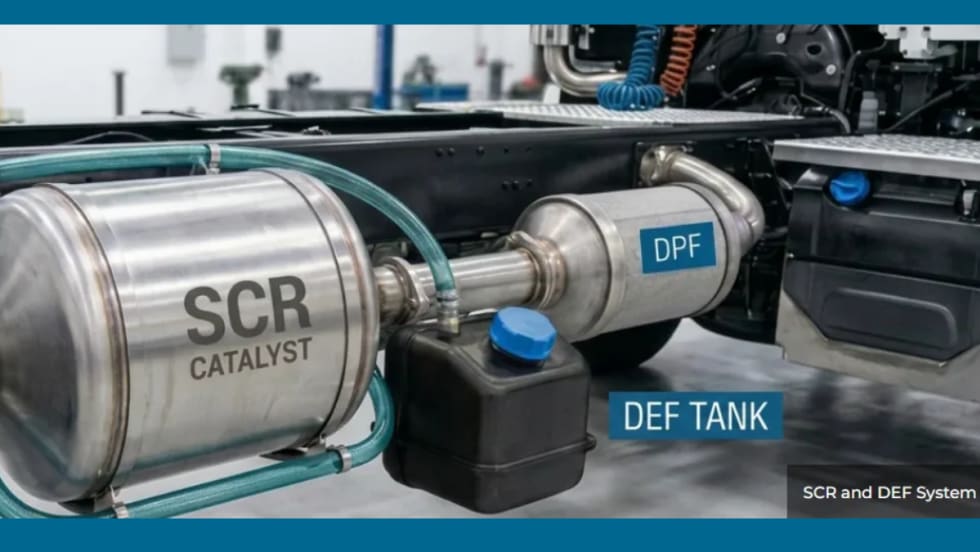
Engine Technology Forum Launches SCR, DEF Resource Center Amid Emissions Debate
The Engine Technology Forum’s new online hub aims to provide fleets, policymakers, and equipment owners with fact-based information about selective catalytic reduction technology, diesel exhaust fluid and emissions compliance.
Read More →
Prime Inc. to Open $7.9M Flagship Used-Truck Dealership
A new driver-focused facility to sell Prime Inc's used trucks and trailers will be the first purpose-built location in the company's history.
Read More →
Lessons Learned About Alternative Fuels: Start Small, Stay Flexible
Practical advice on adopting alternative fuels and ZEVs from HDT's 2026 Top Green Fleets, from renewable diesel and natural gas to electric trucks.
Read More →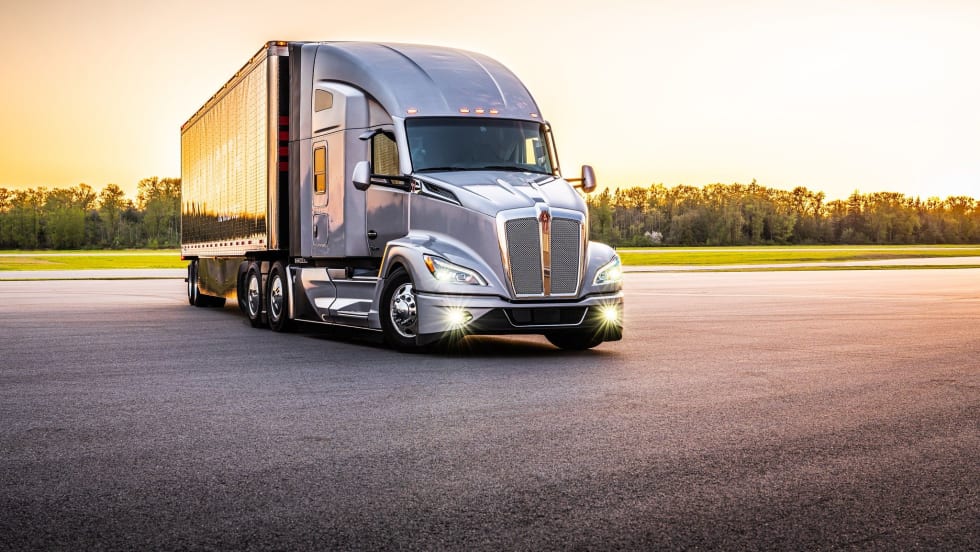
Kenworth Names Peter Ahrens General Manager
Leadership changes at Kenworth take effect July 1 as the OEM promotes two longtime Paccar executives to key management roles.
Read More →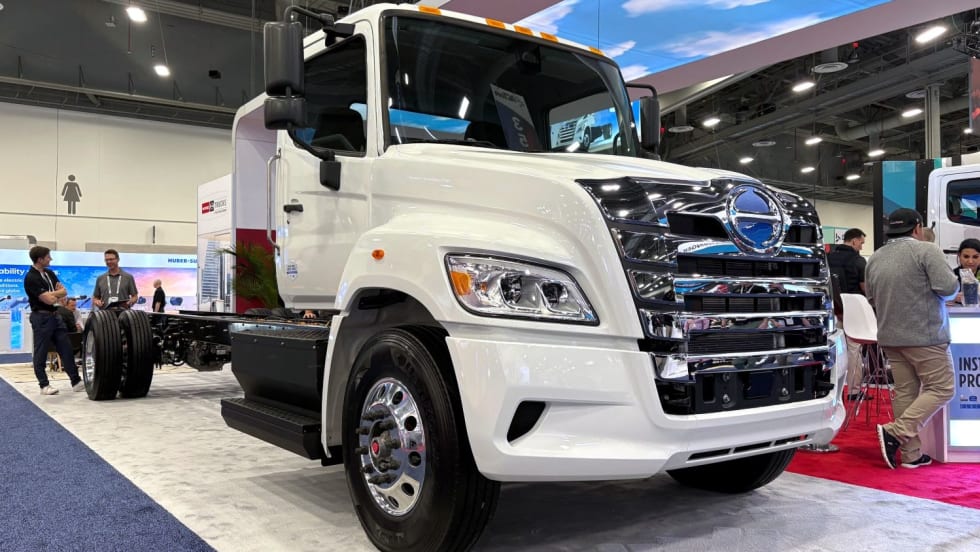
Hino Adds Electric Class 6/7 Truck
Hino says the Le Series is an important step in the company's efforts to reduce environmental impact and support its customers’ sustainability goals.
Read More →
ACT Expo 2026: Highlights in Photos
The 2026 Advanced Clean Transportation Expo featured a broad range of commercial vehicle technologies, from EVs to autonomous trucks to the latest diesel and alternative-fuel engines.
Read More →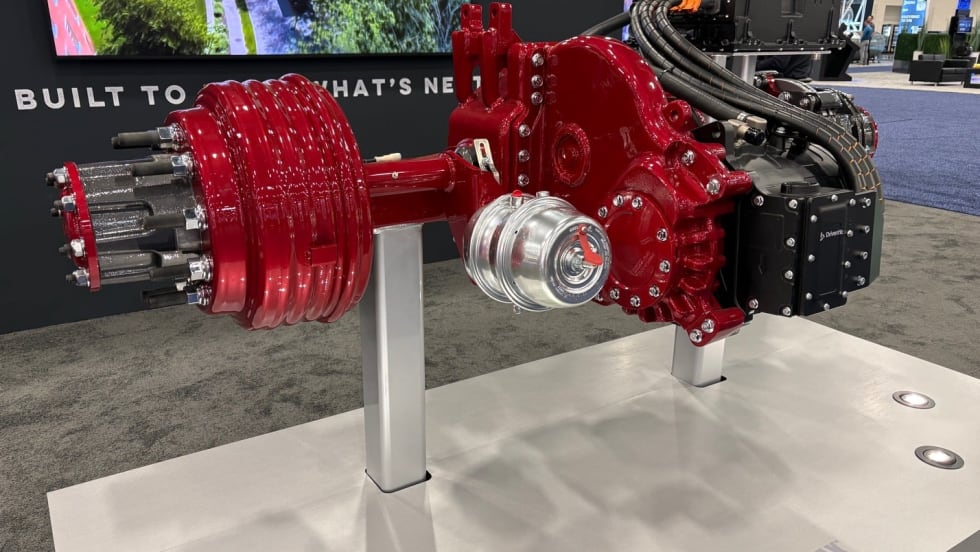
Hendrickson Debuts Electraax E-Axle for Medium-Duty Trucks
Developed with Driventic, Hendrickson's new integrated e-axle is designed to improve efficiency, reduce weight, and extend range in Class 6-7 EV applications.
Read More →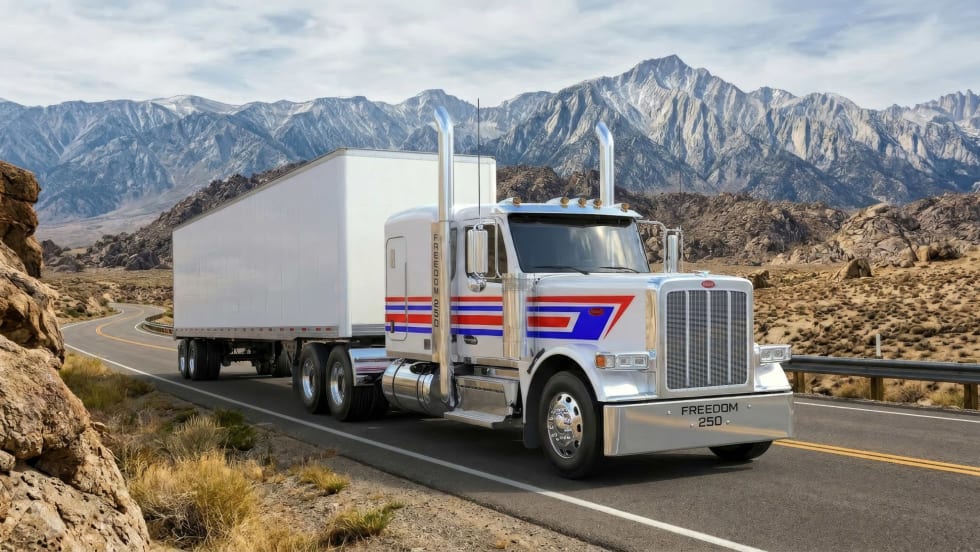
Peterbilt Unveils Freedom 250 Special Edition Model 589
Peterbilt’s just-announced limited-run patriotic Model 579 tractor celebrates America’s 250th birthday with custom styling and premium features.
Read More →
Mack Unveils EPA 2027-Compliant MP13 Engine With More Power, Better Fuel Economy
Along with unveiling its EPA 2027-compliant MP13 engine, Mack outlined powertrain changes across its Class 6-8 lineup, including new Cummins-based X10 engines.
Read More →
Kodiak and Roehl Transport Launch Autonomous Route Between Dallas and Houston
Kodiak AI and Roehl Transport have begun autonomous freight operations on a regular Dallas-Houston route, marking another step toward Kodiak’s planned driverless launch by the end of 2026.
Read More →