




Report: Unlikely U.S. Can Meet Cellulosic Biofuel Mandates
Some U.S. biofuel mandates can't be reached, according to a new report from the National Research Council. At least not without major technological innovations or policy changes
Some U.S. biofuel mandates can't be reached, according to a new report from the National Research Council. At least not without major technological innovations or policy changes.
The "cellulosic" biofuel mandates contained in the current Renewable Fuel Standard (RFS2), amended in the 2007 Energy Independence and Security Act, want to see consumption of - by 2022 -- 16 billion gallons of cellulosic biofuels produced from wood, grasses, or non-edible plant parts.
The Act demands that by 2022 the consumption of renewable fuels should also include 15 billion gallons of conventional biofuels, mainly corn-grain ethanol; 1 billion gallons of biomass-based diesel; and 4 billion gallons of advanced renewable biofuels, other than ethanol derived from cornstarch.
In each case there's a specific demand that the fuel in question should achieve a certain lifecycle GHG threshold, referring to total emissions from planting to harvesting and on to distribution and ultimate use in a vehicle.
The NRC report, entitled "Renewable Fuel Standard: Potential Economic and Environmental Effects of US Biofuel Policy," allows that conventional biofuels and biomass-based diesel fuel can probably meet consumption mandates.
Cellulosic biofuels, however, are different because there are countless economic, policy, environmental, and social barriers to be met first. It's still a developing industry, and to see it through to meeting the mandate would demand federal budget outlays that may or may not be available. As well, the report says, the likely economic and environmental effects are at best "mixed."
"A key barrier to achieving RFS2 is the high cost of producing biofuels compared to petroleum-based fuels and the large capital investments required to put billions of gallons of production capacity in place," the report says. "As of 2010, biofuel production was contingent on subsidies, tax credits, the import tariff, loan guarantees, RFS2, and similar policies. These policies that provide financial support for biofuels will expire long before 2022 and cannot provide the support necessary for achieving the RFS2 mandate."
Right now, there simply aren't any refineries in the U.S. for converting cellulosic biomass to fuel, at least none that are commercially viable.
More Equipment
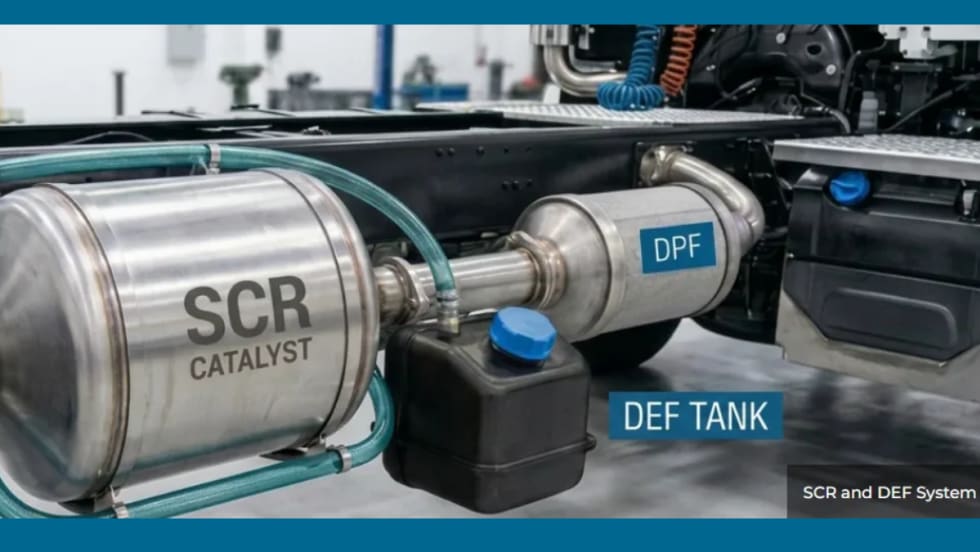
Engine Technology Forum Launches SCR, DEF Resource Center Amid Emissions Debate
The Engine Technology Forum’s new online hub aims to provide fleets, policymakers, and equipment owners with fact-based information about selective catalytic reduction technology, diesel exhaust fluid and emissions compliance.
Read More →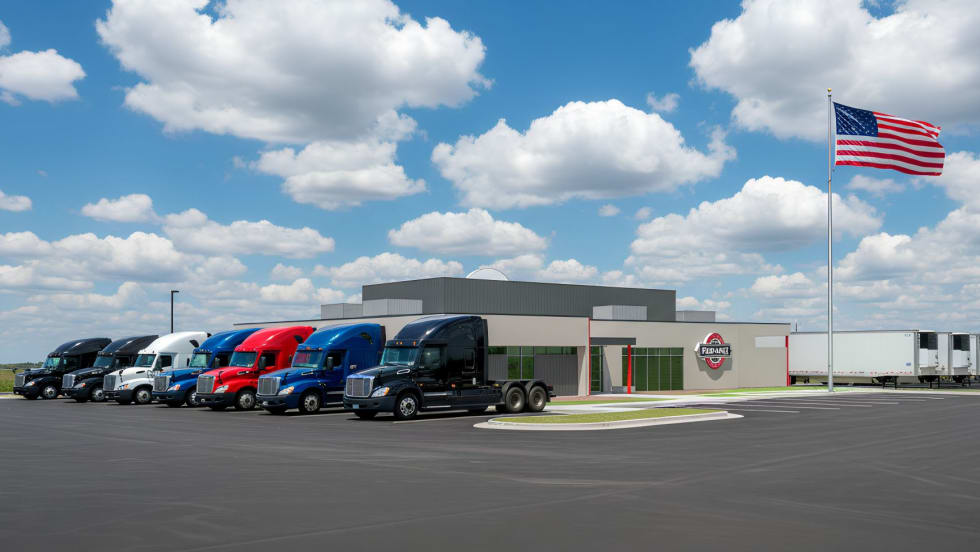
Prime Inc. to Open $7.9M Flagship Used-Truck Dealership
A new driver-focused facility to sell Prime Inc's used trucks and trailers will be the first purpose-built location in the company's history.
Read More →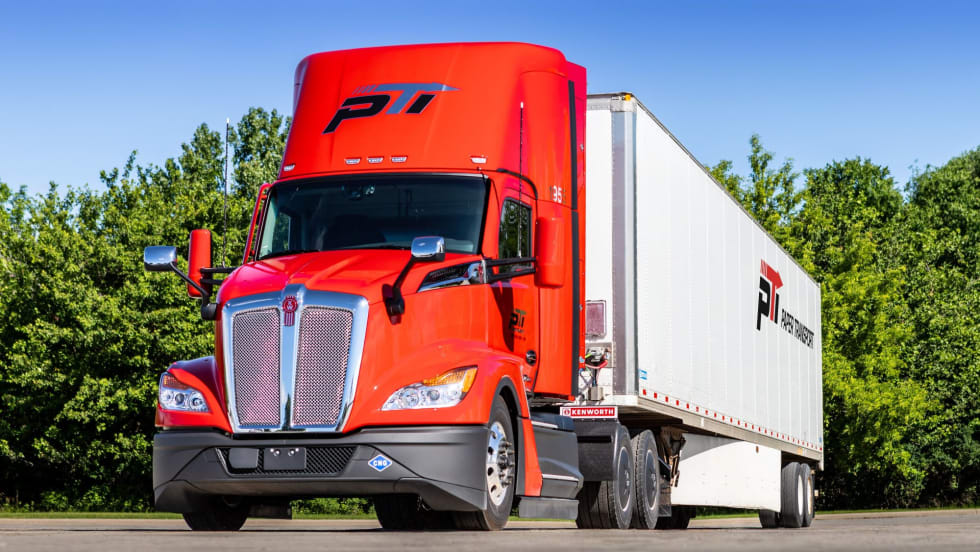
Lessons Learned About Alternative Fuels: Start Small, Stay Flexible
Practical advice on adopting alternative fuels and ZEVs from HDT's 2026 Top Green Fleets, from renewable diesel and natural gas to electric trucks.
Read More →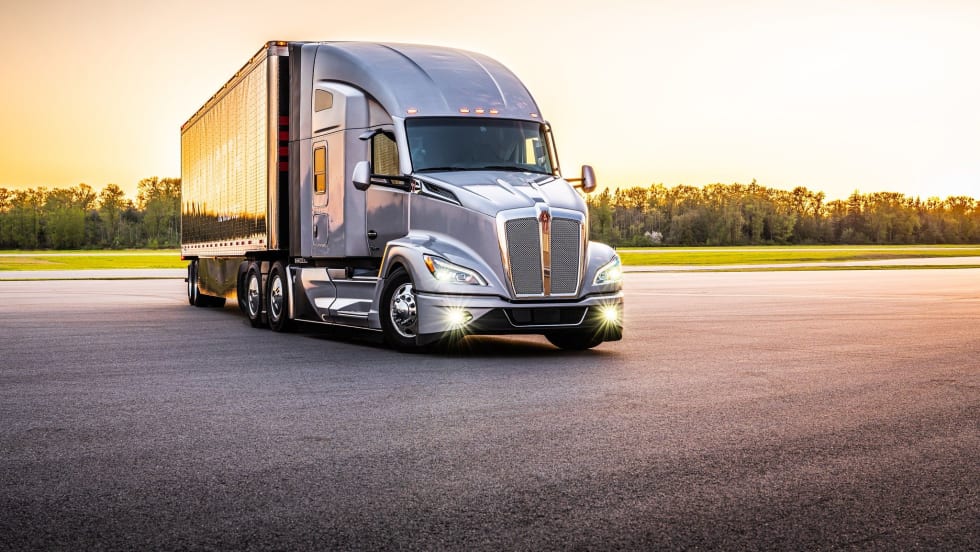
Kenworth Names Peter Ahrens General Manager
Leadership changes at Kenworth take effect July 1 as the OEM promotes two longtime Paccar executives to key management roles.
Read More →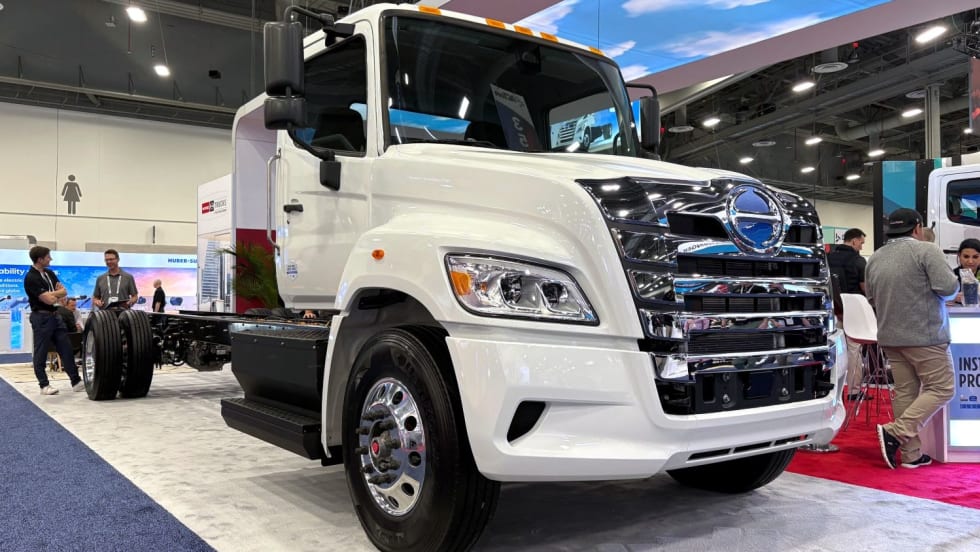
Hino Adds Electric Class 6/7 Truck
Hino says the Le Series is an important step in the company's efforts to reduce environmental impact and support its customers’ sustainability goals.
Read More →
ACT Expo 2026: Highlights in Photos
The 2026 Advanced Clean Transportation Expo featured a broad range of commercial vehicle technologies, from EVs to autonomous trucks to the latest diesel and alternative-fuel engines.
Read More →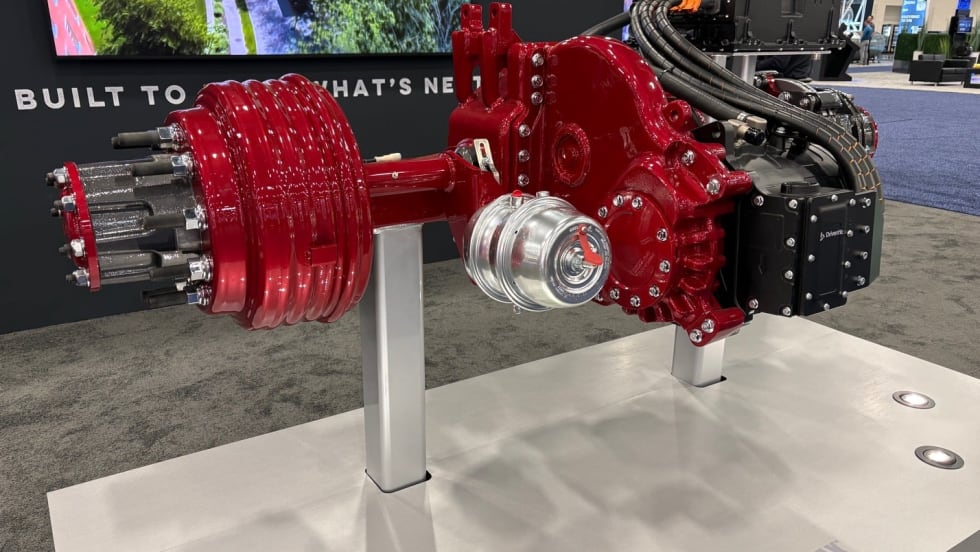
Hendrickson Debuts Electraax E-Axle for Medium-Duty Trucks
Developed with Driventic, Hendrickson's new integrated e-axle is designed to improve efficiency, reduce weight, and extend range in Class 6-7 EV applications.
Read More →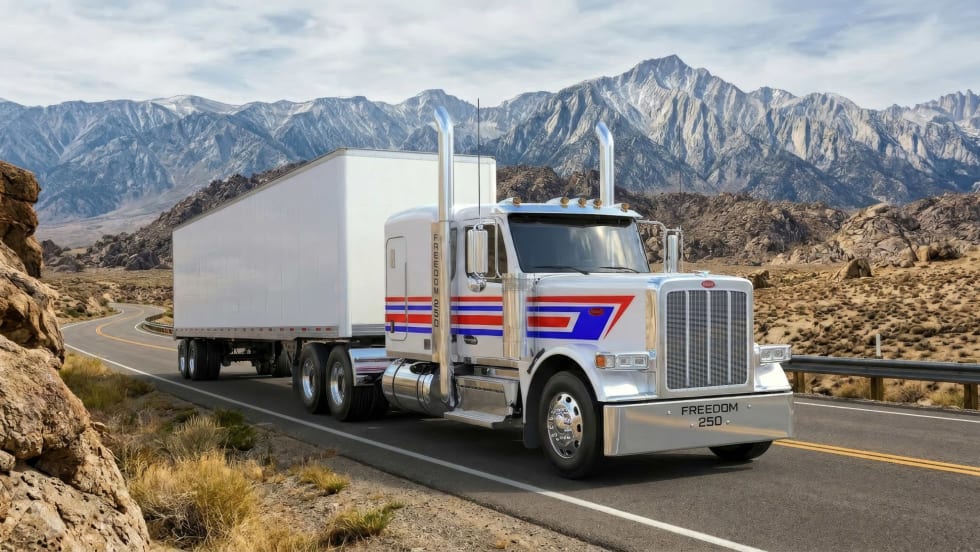
Peterbilt Unveils Freedom 250 Special Edition Model 589
Peterbilt’s just-announced limited-run patriotic Model 579 tractor celebrates America’s 250th birthday with custom styling and premium features.
Read More →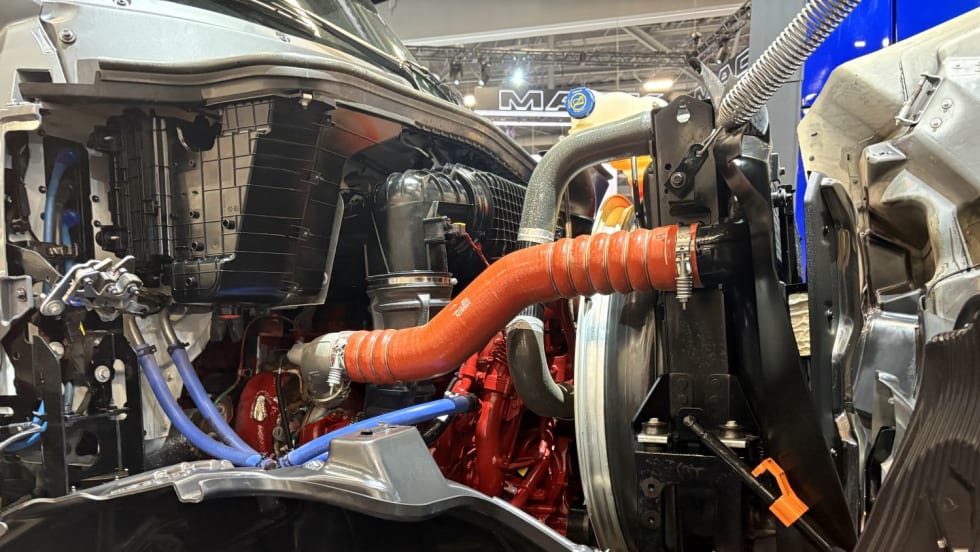
Mack Unveils EPA 2027-Compliant MP13 Engine With More Power, Better Fuel Economy
Along with unveiling its EPA 2027-compliant MP13 engine, Mack outlined powertrain changes across its Class 6-8 lineup, including new Cummins-based X10 engines.
Read More →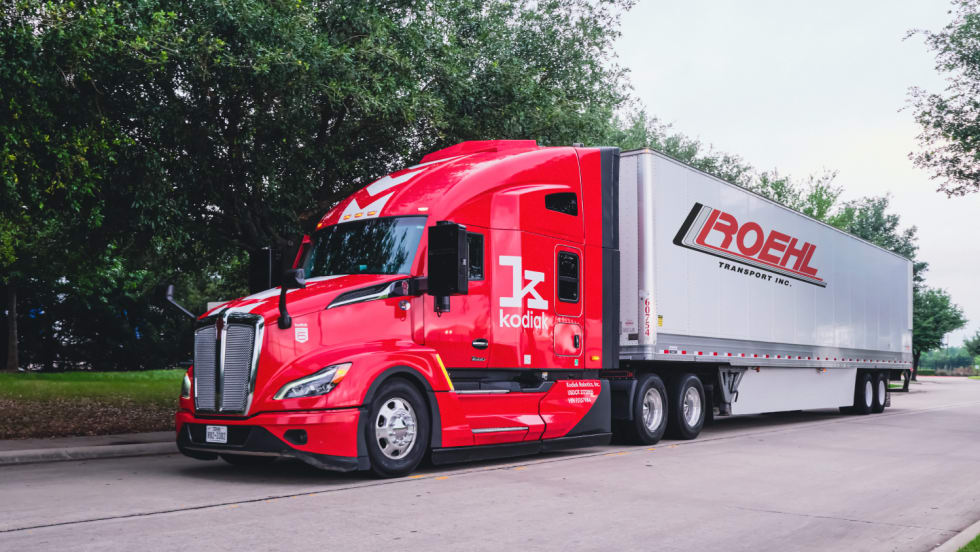
Kodiak and Roehl Transport Launch Autonomous Route Between Dallas and Houston
Kodiak AI and Roehl Transport have begun autonomous freight operations on a regular Dallas-Houston route, marking another step toward Kodiak’s planned driverless launch by the end of 2026.
Read More →